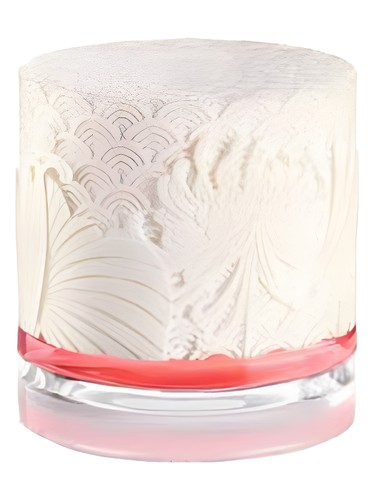
First Impressions
Scarlett opens with a delicate contradiction—the crisp bite of Amalfi lemon meeting the soft sweetness of pear, tempered by the gentle astringency of tea. It''s an introduction that whispers rather than shouts, a first impression that feels both refined and approachable. This 2009 release from Cacharel was designed as a white floral composition, and from that initial spray, you sense the lightness that would define it: not the opulent, heady white florals of classic French perfumery, but something airier, more translucent. The opening feels like morning light filtering through sheer curtains, promising something lovely without overwhelming the senses.
The Scent Profile
The top notes of pear, tea, and Amalfi lemon create an unexpectedly sophisticated opening for what might be dismissed as a commercial feminine fragrance. The pear brings juicy sweetness without veering into candy territory, while the tea accord adds a subtle tannic quality that keeps the fruit grounded. The lemon provides brightness, a citrus sparkle that lifts the composition and makes it feel fresh rather than cloying.
As Scarlett settles into its heart, the white floral character—the dominant accord at 100%—fully emerges. Jasmine takes center stage, supported by the honeyed creaminess of honeysuckle and the indolic richness of African orange flower. This trio creates a bouquet that manages to be both clean and sensual, familiar yet distinctive. The jasmine here isn''t the sharp, green variety but rather a softer, more romantic interpretation. Honeysuckle adds a nectar-like quality, while the orange flower contributes a subtle soapiness that keeps the composition from becoming too sweet.
The base is where Scarlett reveals its warmth. White honey amplifies the sweetness already present in the heart notes, creating a golden glow that wraps around the florals. Musk provides the skin-like intimacy that makes the fragrance feel personal, while sandalwood adds a creamy, woody foundation that grounds the composition without weighing it down. This is where the fragrance''s 44% honey accord becomes most apparent, creating a finish that''s comforting without being heavy, sweet without being saccharine.
Character & Occasion
The data tells a clear story: Scarlett is overwhelmingly a daytime fragrance, scoring 100% for day wear versus just 17% for evening. This makes perfect sense given its character—it''s the kind of scent that feels appropriate for sunlight, for fresh air, for moments when you want to smell lovely without making a dramatic statement.
Seasonally, Scarlett thrives in spring (88%) and remains highly wearable through summer (57%). The lighter construction, the fresh citrus and tea notes, and the airy white florals make it ideal for warmer weather. It can transition into fall (31%), though its sweetness and freshness become less relevant as temperatures drop. Winter wear sits at just 16%—this is decidedly not a cold-weather fragrance.
The 32% fresh accord and 33% citrus accord keep Scarlett from becoming too heavy even in heat, while the 55% sweet accord and 48% fruity accord give it enough personality to feel special rather than merely clean. It''s the kind of fragrance for office environments, lunch dates, shopping trips, and casual gatherings—moments when you want to feel put-together without overdressing your scent.
Community Verdict
Here''s where the story becomes bittersweet. With a sentiment score of 5.5 out of 10, the Reddit fragrance community expresses decidedly mixed feelings about Scarlett—but not for the reasons you might expect. The fragrance itself garners praise for being memorable and nostalgic, for its longevity, and for its uniqueness as a signature scent. Users speak of keeping "precious drops" even after 14 years, of actively hunting for replacements, of the emotional significance this fragrance holds.
The problem? Scarlett has been discontinued for over a decade.
This is the heart of the community''s frustration. The cons list reads like a lament: difficult to find, limited availability on the secondary market, nearly impossible to locate comparable alternatives. The fragrance appears valued more for sentimental memories than for objective quality metrics, not because it lacks quality, but because new experiences with it are essentially impossible. This creates a peculiar situation where Scarlett exists more as a ghost, a memory, a "remember when" conversation than as a living, wearable fragrance.
How It Comparisons
Scarlett shares DNA with some prestigious company. The similar fragrances list includes J''adore by Dior, Pure Poison by Dior, Poème by Lancôme, Nina by Nina Ricci, and Cacharel''s own Noa. These comparisons place Scarlett firmly in the accessible luxury category—white florals with sweetness and sophistication, designed for broad appeal but executed with care.
What distinguished Scarlett was its particular balance: lighter than Poème, sweeter than J''adore, more floral than Nina, with that distinctive honey-and-tea combination that users found difficult to replicate elsewhere. Its 3.74 out of 5 rating based on 2,987 votes suggests it was well-liked but not universally adored—a solid, enjoyable fragrance rather than a groundbreaking masterpiece.
The Bottom Line
Scarlett by Cacharel presents a unique reviewing challenge: how do you assess a fragrance that no longer exists in practical terms? The rating of 3.74 out of 5 suggests a very good, if not exceptional, white floral fragrance—the kind that would merit recommendation if you could actually buy it. The community data reveals genuine affection from those who owned it, particularly as a signature scent with emotional resonance.
But the harsh reality is that Scarlett has been discontinued for 14 years. Unless you stumble upon a dusty bottle in a forgotten drugstore corner or pay premium prices on the secondary market, this fragrance remains out of reach. For those seeking something similar, the comparable fragrances list offers starting points, though community members suggest none quite capture Scarlett''s specific magic.
If you find a bottle, the data suggests it''s worth trying—particularly if you love spring-appropriate white florals with honey sweetness and appreciate daytime-friendly compositions. But for most readers, Scarlett will remain what it has become: a beautiful memory, a discontinued treasure, a reminder that not every lovely thing in perfumery survives.
KI-generierte redaktionelle Rezension