First Impressions
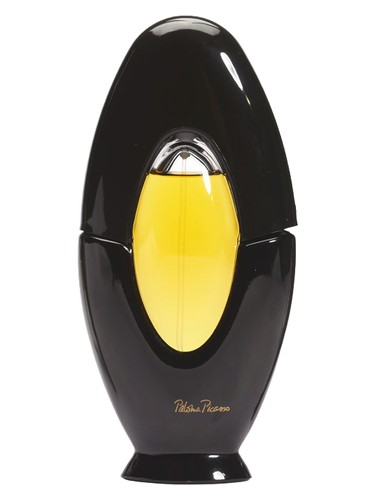
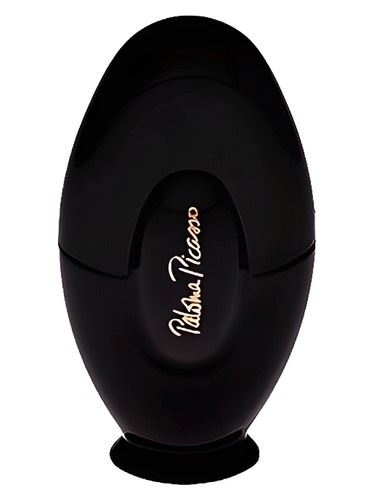
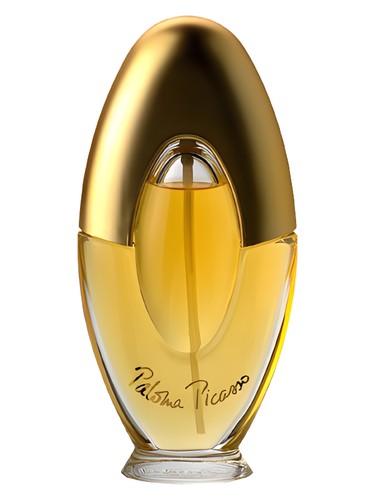
The opening spray of Paloma Picasso Eau de Toilette doesn''t ease you into conversation—it announces its arrival with the confidence of a woman who knows exactly who she is. An aldehydic burst, reminiscent of vintage Chanel but sharper, more angular, mingles with an unexpected jolt of coriander that borders on the medicinal. This isn''t the gentle citrus welcome of modern perfumery; the bergamot and lemon here serve as punctuation marks rather than soft introductions, while neroli adds a hint of bitterness that keeps sweetness at bay. This is 1984 bottled—an era when power dressing meant business and fragrances didn''t apologize for taking up space.
The Scent Profile
The architecture of this fragrance reveals itself in distinct movements, like acts in a play written for a leading lady who commands the stage.
Those opening aldehydes—sparkling, almost soapy in their vintage grandeur—create an immediate presence that some will find bracing, others intoxicating. The coriander contribution cannot be overstated; it''s what transforms this from a conventional floral into something aromatic and decidedly herbal. The citrus trio of bergamot, lemon, and neroli provides brightness without levity, a crispness that feels purposeful rather than refreshing.
As the top notes settle, the heart emerges with a floral bouquet that manages to feel both lush and austere. May rose takes center stage, joined by jasmine in a partnership that could veer precious but is kept in check by the green, waxy character of hyacinth and the powdery delicacy of mimosa. Lily-of-the-valley threads through with its clean, almost chilly floralcy. This is where the powdery accord (rating at 95% dominance) truly manifests—not baby powder softness, but the refined, face-powder elegance of a different era''s beauty rituals.
The base is where Paloma Picasso reveals its true character: earthy, musky, and uncompromisingly assertive. Oakmoss brings that classic chypre foundation, vegetal and slightly damp, while civet adds an animalic warmth that modern reformulations may have softened but never fully erased. Vetiver contributes its woody, almost smoky earthiness, while sandalwood, amber, and musk create a skin-close finish that''s simultaneously warm and austere. The musky accord registers at 96%, and you feel it—this is a scent that becomes part of your presence, not merely an accessory to it.
Character & Occasion
The seasonal data tells a clear story: this is a fragrance that thrives in cooler weather. Fall registers at 100% suitability, and indeed, there''s something about Paloma Picasso that harmonizes perfectly with wool coats, turning leaves, and crisp air. Winter follows at 71%, where its warmth provides comfort without cloying. Spring, at 68%, works for those brisk early mornings when the air still carries a chill. Summer, unsurprisingly, scores only 33%—this is not a fragrance that plays well with humidity or heat.
The day/night split (83% day, 69% night) positions this as surprisingly versatile. It wears beautifully to the office, especially if your professional environment values competence over congeniality. It''s the olfactory equivalent of a perfectly tailored blazer—structured, intentional, perhaps a touch severe. Yet at 69% night suitability, it transitions well to evening, particularly for cultural events, dinners where conversation matters more than ambiance, or any occasion where you want to be remembered.
This is a fragrance for women who appreciate complexity over easy charm, for those who consider "difficult" a compliment rather than a criticism. It demands a certain confidence to wear—not because it''s overwhelming in sillage, but because it so clearly represents a specific aesthetic point of view.
Community Verdict
With a rating of 4.16 out of 5 based on 749 votes, Paloma Picasso Eau de Toilette has earned genuine respect from those who''ve experienced it. This isn''t a niche curiosity with a handful of devotees; nearly 750 people have weighed in, and the consensus places it firmly in "very good" territory. That rating, hovering above 4 but not quite reaching the rarefied air of the 4.5+ club, feels accurate. This is a technically accomplished, beautifully constructed fragrance that polarizes just enough to prevent universal adoration—and that''s part of its charm.
How It Compares
The listed comparisons read like a syllabus in Advanced 1980s Perfumery: Knowing by Estée Lauder, Magie Noire by Lancôme, Aromatics Elixir by Clinique. These are the heavy hitters of aromatic, woody fragrances for women who rejected the soliflore simplicity that would dominate the decades to come. Paloma Picasso holds its own in this company, perhaps slightly more powdery than Aromatics Elixir, less overtly mysterious than Magie Noire, more aromatic than Knowing. The inclusion of Dune by Dior (1991) shows the throughline to slightly softer iterations of this aesthetic. Among its siblings, Paloma Picasso Eau de Toilette distinguishes itself through that distinctive aromatic-musky character—it''s the most herbal of the bunch, the most insistent on its green, slightly bitter edge.
The Bottom Line
Paloma Picasso Eau de Toilette is not for everyone, and it would hate being described as such. At 40 years old, it represents a vision of femininity that contemporary perfumery has largely abandoned in favor of softer, sweeter, more universally palatable expressions. Its 4.16 rating reflects this reality: those who love it, truly love it, while others respect its craftsmanship without falling under its spell.
For collectors of vintage aesthetics, for women seeking an alternative to the fruit-and-gourmand landscape of modern feminine fragrancy, for anyone who wants their presence announced through something more complex than vanilla and pink pepper—this deserves a place on your testing list. It''s widely available, reasonably priced for what it offers, and represents an important chapter in perfume history that''s still eminently wearable today. Just wait for autumn, wear it with intention, and prepare to feel like the most competent person in the room.
KI-generierte redaktionelle Rezension