First Impressions
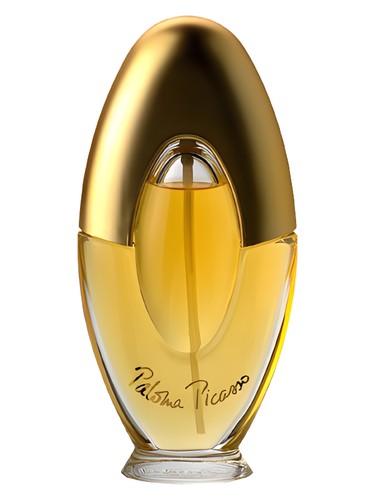
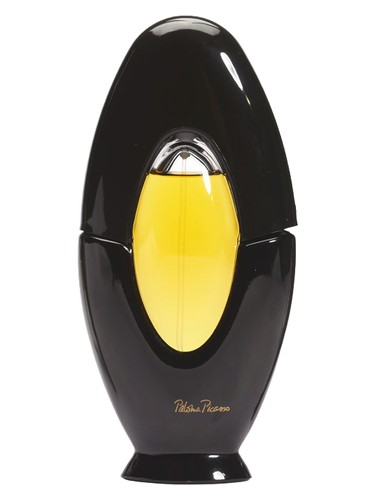
The first spray of Paloma Picasso doesn''t ask for your attention—it demands it. A spicy carnation unfurls with the kind of brazen confidence that defined power dressing in the 1980s, shot through with sharp coriander and the green brightness of neroli and bergamot. This isn''t a fragrance that eases you in gently. From the opening moments, you understand you''re wearing something substantial, something that carries weight. The rose and angelica add a fleeting softness, but make no mistake: this is a fragrance designed to be noticed, to make an entrance, to leave an impression that lingers long after you''ve departed the room.
The Scent Profile
The opening accord of carnation and coriander creates an almost peppery floral intensity, brightened by citrus notes of Amalfi lemon and bergamot. It''s a dynamic, assertive start—the neroli adding a bitter-fresh elegance while angelica contributes an herbal, almost medicinal edge that keeps things interesting rather than pretty.
As Paloma Picasso settles into its heart, the composition reveals unexpected complexity. Patchouli anchors the floral bouquet of jasmine, ylang-ylang, and hyacinth with earthy depth, while mimosa adds a subtle honeyed powder. This is where the fragrance shows its sophistication—the florals aren''t sweet or innocent but rather mature and knowing, laced with that distinctive musky-woody character that defines the entire composition.
The base is where Paloma Picasso truly asserts its vintage pedigree. Oakmoss provides the classic chypre foundation, while animalic notes of civet and castoreum add a raw, provocative warmth that modern fragrances rarely dare to explore. Vetiver brings its smoky earthiness, sandalwood its creamy wood, and amber-musk rounds everything out with a skin-clinging sensuality. This base doesn''t fade politely—it evolves over hours, becoming richer and more intimate as it wears, transforming from bold statement to personal signature.
Character & Occasion
The data tells a clear story: Paloma Picasso is a cold-weather companion, thriving in winter and fall (both at 88%), while summer wears will likely find it overwhelming at a mere 20% suitability. This makes perfect sense—the woody-musky-earthy accords (100%, 92%, and 70% respectively) need crisp air to truly shine without suffocating.
While it scores 48% for daytime wear, nighttime registers at 100%, and this aligns with the fragrance''s dramatic character. This is perfume for evenings when you want to be remembered, for special occasions when understatement isn''t the goal. Could you wear it during the day? Certainly—but with restraint, perhaps a single spray rather than the liberal application it might invite.
Who is Paloma Picasso for? Those who appreciate vintage fragrances with backbone, who aren''t afraid of projection, who understand that fragrance can be as much about presence as personal pleasure. It suits a mature or sophisticated aesthetic, someone who views perfume as part of their personal armor rather than an invisible accessory.
Community Verdict
The Reddit fragrance community offers a nuanced perspective with a mixed sentiment score of 6.5/10, based on 93 opinions. The divided response is telling and honest.
On the positive side, enthusiasts praise its complex, rich composition with those distinctive spicy and animalic notes that have become rare in modern perfumery. Performance is consistently highlighted—this fragrance delivers exceptional longevity and projection that rivals niche offerings. Vintage formulations particularly earn acclaim for their elegance, sophistication, and timeless quality. There''s also practical appreciation for its affordability on the secondary market compared to contemporary niche alternatives.
The criticisms are equally valid. Paloma Picasso is very strong and heavy, requiring careful application to avoid overwhelming yourself and others. Many younger wearers perceive it as dated or old-fashioned, a product of its 1984 origins that hasn''t adapted to contemporary tastes. Long-time devotees express disappointment with recent reformulations, often recommending seeking out vintage bottles instead. Its intensity also makes it unsuitable for all occasions or for those with fragrance sensitivities.
The community consensus? Best reserved for evening wear and special occasions, cooler seasons, and those who genuinely appreciate the artistry of vintage fragrance composition.
How It Compares
Paloma Picasso sits comfortably among the great woody-floral powerhouses of its era. It shares kinship with Estée Lauder''s Knowing and Lancôme''s Magie Noire—fragrances that similarly prioritize complexity and presence over mass appeal. The comparison to Chanel No 5 Parfum speaks to its classic structure, while Dune by Dior represents a slightly softer, more modern interpretation of woody femininity. Interestingly, its connection to Tom Ford''s Black Orchid suggests that what once felt dated has circled back to influence contemporary luxury perfumery.
Within this distinguished company, Paloma Picasso distinguishes itself through those pronounced animalic base notes and the spicy carnation opening—it''s perhaps the boldest of the bunch, the least concerned with palatability.
The Bottom Line
With a solid 3.98 out of 5 rating from 6,862 votes, Paloma Picasso has clearly found its audience, even if that audience isn''t universal. This isn''t a fragrance suffering from obscurity or indifference—it''s one that provokes strong reactions, positive and negative.
Should you try it? Absolutely, if you''re drawn to vintage compositions and aren''t afraid of fragrance with conviction. Start with a sample or seek out a vintage formulation if you want the full experience that devotees remember. Apply sparingly—one or two sprays will suffice given its formidable projection.
This isn''t a safe choice or an easy recommendation for everyone. But for those who connect with its unapologetic boldness, who appreciate the artistry of animalic accords and complex woody-floral compositions, Paloma Picasso offers something increasingly rare: a fragrance with genuine character and staying power, both literal and figurative. In an age of polite, focus-grouped fragrances, there''s something refreshing about perfume that refuses to whisper.
KI-generierte redaktionelle Rezension