First Impressions
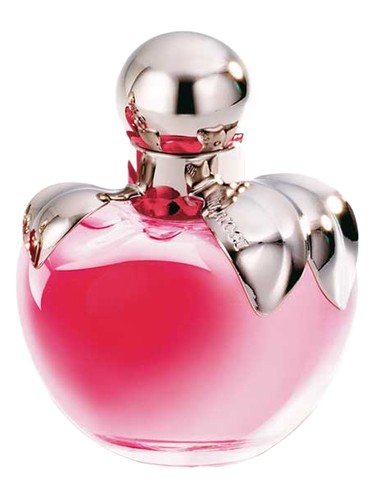
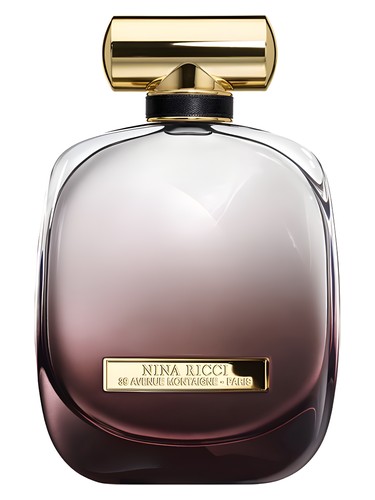
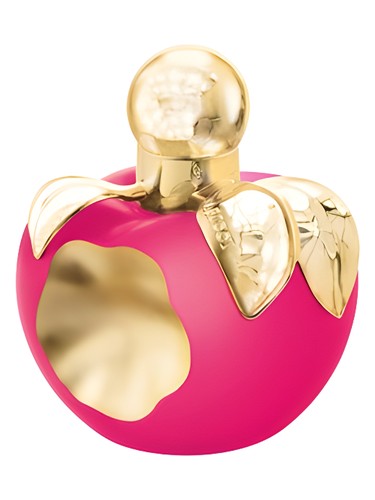
The first spritz of La Tentation de Nina announces itself with unabashed sweetness—a crystallized bergamot opening that immediately softens into something more playful than sophisticated. This is Nina Ricci flirting with the gourmand trend that dominated the mid-2010s, and it makes no apologies for its sugar-dusted personality. Within seconds, the citrus brightness dims like a quick wink before the real temptation begins: a wave of fruity-almond sweetness that brings to mind a Parisian patisserie window on a spring morning. The name translates to "The Temptation of Nina," and that temptation is decidedly edible, verging on the deliciously wearable line that separates perfume from dessert.
The Scent Profile
Bergamot leads the opening act, but it''s a bergamot with training wheels—softened, sweetened, and fleeting. This isn''t the sharp, assertive citrus of classic eaux de cologne. Instead, it serves as a bright introduction before dissolving almost immediately into the heart, where La Tentation reveals its true agenda.
The heart is where this fragrance lives and breathes. Macarons aren''t just listed as a note; they''re the structural foundation of the entire composition. That distinctive almond-meringue sweetness dominates, supported by tart raspberry that provides the only real counterpoint to the sugar rush. Lemon appears as a supporting player, adding just enough acidity to keep things from becoming cloying, while the almond accord reinforces the macaron impression. Bulgarian rose makes a genteel appearance, but don''t expect a full-throated floral statement—it''s more like rose syrup than rose petals, another layer of sweetness rather than a contrasting element.
The base gradually emerges as the fruit begins to fade, though "fade" might be too strong a word for notes that linger with such persistence. Bourbon vanilla wraps everything in a warm, creamy embrace, while white musk provides a soft, clean foundation that keeps the composition from becoming too heavy. Sandalwood adds a whisper of woodiness, though it''s subtle enough that you might miss it entirely amid the vanilla-musk cushion. The dry-down is comfortable, familiar, and decidedly sweet—a skin-scent that projects moderate sweetness for hours.
Character & Occasion
The community has spoken decisively: this is a spring fragrance first and foremost, with 83% agreement on that seasonal placement. It makes perfect sense. La Tentation de Nina captures that particular spring energy—fresh but indulgent, bright but warm, playful without being frivolous. Summer scores 45%, suggesting it can work in warmer weather, though the sweetness might feel heavy on truly hot days. Fall and winter receive less enthusiastic votes (41% and 32% respectively), and understandably so—this isn''t a fragrance that thrives in cold weather''s depth and drama.
The day/night split is even more definitive: 100% day versus a mere 24% night. This is unequivocally a daytime scent, perhaps even a morning-to-afternoon fragrance. It lacks the complexity or intensity for evening wear, but that''s not a fault—it simply knows its lane. This is the perfume you reach for on casual Saturdays, coffee dates, spring brunches, or any occasion where approachability trumps mystery.
Who is La Tentation de Nina for? The wearer who loves sweet without apology, who finds comfort in recognizable gourmand notes, and who values likability over uniqueness. It skews younger, though age is less important than attitude—you need to embrace rather than resist its sugary personality.
Community Verdict
With a rating of 3.74 out of 5 from 986 votes, La Tentation de Nina sits comfortably in "good, not great" territory. This is a respectable score that suggests broad appeal without inspiring devotion. The sizeable voting pool indicates decent reach and interest—people have tried it, and most found it pleasant. The rating tells a story of a fragrance that delivers what it promises without exceeding expectations. It''s not polarizing; it''s competent, enjoyable, and ultimately somewhat forgettable despite its initial charm.
How It Compares
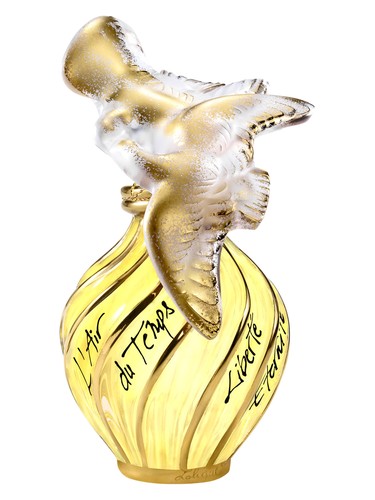
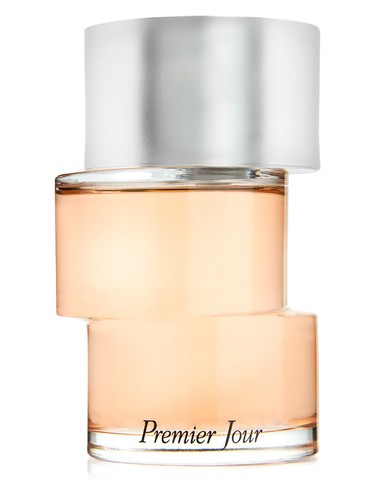
La Tentation de Nina shares DNA with several prominent sweet fragrances, most notably from its own lineage—Nina by Nina Ricci. The comparison list reads like a who''s who of modern sweet feminines: Poison Girl and Hypnotic Poison from Dior, La Vie Est Belle and La Nuit Trésor from Lancôme. These connections place it squarely in the commercial gourmand category that dominated the 2010s.
Where does it stand among this company? It''s lighter and more straightforwardly sweet than the Poison siblings, less sophisticated than La Vie Est Belle, and more fruit-forward than La Nuit Trésor. It''s perhaps closest to its Nina predecessor, amplifying the sweetness and dialing back any complexity. In this crowded field, La Tentation doesn''t lead—it follows competently.
The Bottom Line
La Tentation de Nina is exactly what it claims to be: temptation in a bottle, provided your weakness runs toward pastry shops rather than enigma. The 3.74 rating reflects its honest, unpretentious nature—it won''t change your life or redefine your taste, but it will make you smell pleasant and approachable. For the price point of a Nina Ricci flanker, it offers good value if you''re specifically seeking a sweet, fruity spring scent.
Should you try it? Yes, if you love gourmands and want something lighter than the heavy-hitters in this category. Yes, if you''re building a spring wardrobe and need something cheerful and uncomplicated. Skip it if you''re averse to sweetness, if you prefer your fragrances with more complexity, or if you''re seeking something for evening wear. This is a fragrance that knows its audience and serves them well—no more, no less. Sometimes, that''s exactly enough.
KI-generierte redaktionelle Rezension