First Impressions
The first spray of L''Air du Temps feels like opening a velvet-lined jewelry box that''s been resting in your grandmother''s dresser—not dusty or forgotten, but treasured and alive with memory. There''s an immediate rush of aldehydes that lift the composition skyward, followed by the unmistakable warmth of carnation mingling with rose. This isn''t the shy, watercolor floral of modern interpretations; it''s a bold, spiced declaration that announces itself with confidence. The peach adds an unexpected softness to the opening, tempering what could be an overwhelming floral assault with a touch of yielding sweetness. Within moments, you understand why this fragrance, first bottled in 1948, has survived nearly eight decades: it possesses that rare quality of feeling both of its time and somehow timeless.
The Scent Profile
The architecture of L''Air du Temps reveals itself in layers, like a perfectly constructed argument. Those opening notes—carnation, aldehydes, rose, neroli, Brazilian rosewood, peach, and bergamot—create a spicy-floral foundation that''s immediately recognizable as vintage haute perfumery. The aldehydes provide that champagne-bubble effervescence, while the carnation (which appears in both top and heart) threads through the composition like a warm, clove-scented ribbon.
As the fragrance settles into its heart, the complexity deepens considerably. Carnation returns alongside its natural companion, cloves, creating a warm spicy accord that dominates the experience (registering at 100% in the fragrance''s profile). But this isn''t a one-note story: gardenia, jasmine, rose, ylang-ylang, violet, orris root, rosemary, and orchid weave together to create a floral bouquet (73% accord strength) that feels lush rather than literal. The orris and violet bring a powdery softness (50% accord), while the unexpected rosemary adds an aromatic brightness (39%) that keeps the florals from becoming cloying.
The base is where L''Air du Temps reveals its staying power and sophistication. Spices continue the theme established in the opening, while iris reinforces that powdery elegance. Oakmoss, musk, sandalwood, benzoin, amber, vetiver, and cedar create a woody foundation (57% accord) that grounds all that floral exuberance in something earthy and substantial. The white floral aspects (42%) never fully disappear, but they''re cradled by the warmth of amber and benzoin, creating a skin-like finish that whispers rather than shouts.
Character & Occasion
This is quintessentially a spring fragrance—88% of wearers identify it as such—and you can understand why. There''s something about its spiced floral character that perfectly captures the mood of awakening gardens and longer days. Fall claims a solid 61%, likely due to those warm spicy notes that echo the season''s comfort-seeking tendencies. Summer and winter lag behind at 42% and 37% respectively; the former perhaps finding it too heavy, the latter too delicate.
The day/night split tells a clear story: 100% day, 34% night. L''Air du Temps is a daylight fragrance, designed for lunch dates, afternoon appointments, and garden parties. It doesn''t have the density or drama typically associated with evening wear, though its romantic character could certainly translate to a candlelit dinner. This is a fragrance for women who appreciate classic femininity without apologizing for it—who understand that wearing carnation and rose in broad daylight is its own kind of power move.
Community Verdict
The Reddit fragrance community has spoken, and they''ve given L''Air du Temps a resounding vote of confidence with an 8.2/10 sentiment score across 95 opinions. The pros are revealing: users consistently praise its classic, iconic status and timeless appeal. More tellingly, it''s described as "worth repurchasing," with loyal fans maintaining it in their collections long-term. In a community that thrives on discovery and novelty, this kind of devotion to a 75-year-old fragrance speaks volumes.
Multiple users explicitly mentioned L''Air du Temps among their most valued fragrances they would definitely buy again—recognizing its enduring quality and versatility despite the general tendency to constantly hunt for the next new thing. It''s praised for everyday wear, romantic occasions, and suiting those with classic or timeless style preferences.
The cons, however, are honest and expected. Some find it dated or overly traditional, which is perhaps inevitable for any fragrance approaching its diamond jubilee. More concerning for devotees are the reformation worries that plague nearly every heritage fragrance—longtime users expressing anxiety about whether the current formula captures the magic of earlier iterations.
How It Comparisons
L''Air du Temps exists in rarefied company. Its similar fragrances list reads like a perfume hall of fame: Chanel No 5 Parfum, Dior''s Dune, Guerlain''s Samsara, the original 1977 Opium, and Dior''s Dolce Vita. These are the grandes dames of perfumery, fragrances that defined their respective decades and continue to cast long shadows. What distinguishes L''Air du Temps is perhaps its warmth—that spicy carnation dominance sets it apart from the cooler aldehydic florals like No 5, while its relative lightness differentiates it from heavier orientals like Opium or Samsara.
The Bottom Line
With a 3.71/5 rating from 6,583 votes, L''Air du Temps sits comfortably in "very good" territory—not universally adored, but deeply appreciated by those who understand what it offers. This isn''t a fragrance for those chasing trends or seeking attention-grabbing projection. It''s for the woman who values heritage, who understands that wearing a carnation-forward floral in 2024 is an act of quiet rebellion against the endless parade of fruity-gourmands and antiseptic clean scents.
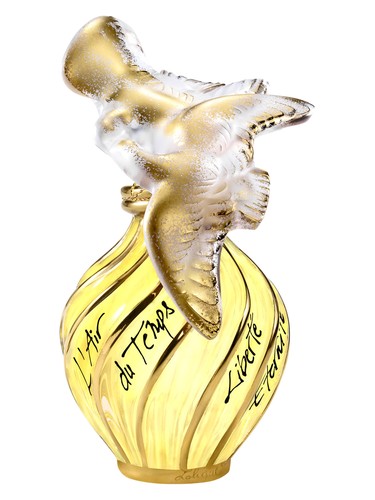
Should you try it? Absolutely, if you have any curiosity about perfume history or classic femininity. Should you buy it? That depends on whether you can embrace a fragrance that smells distinctly of its era while remaining beautiful on its own terms. L''Air du Temps doesn''t apologize for being what it is—a warm, spicy, powdered floral that''s been capturing hearts since post-war Paris. Those iconic doves on the bottle? They''re still flying.
KI-generierte redaktionelle Rezension