First Impressions
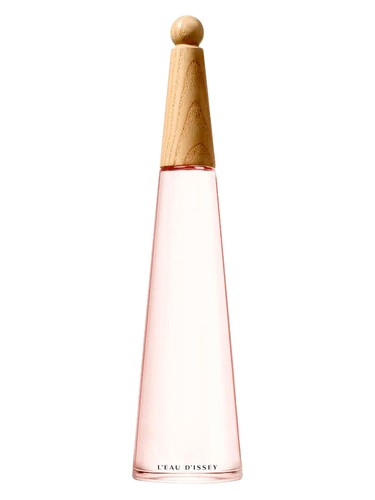
The first encounter with L''Eau d''Issey Pivoine feels like stepping into a garden at dawn, where dew-kissed petals meet the promise of sun-warmed fruit. This is Issey Miyake''s love letter to spring, bottled in 2023, and it announces itself with an unabashed burst of peony and pear that manages to feel both opulent and weightless. The opening is decidedly fruity—the data confirms this dominates at 100%—but there''s a delicate floral architecture beneath that prevents it from veering into candy territory. Within seconds, you understand this fragrance''s mission: to capture that fleeting moment when flowers are at their most plush and vibrant, before summer''s heat arrives.
The Scent Profile
L''Eau d''Issey Pivoine reveals itself in distinct chapters, each contributing to a narrative that''s surprisingly sophisticated for such an apparently simple composition. The opening act belongs entirely to peony and pear, a pairing that initially seems almost too straightforward. But there''s artistry here. The peony isn''t the screechy, synthetic floral note that often plagues budget compositions—it reads as soft, slightly rosy (reflected in the 46% rose accord), with that characteristic peppery-fresh quality that makes real peonies so addictive. The pear amplifies the juiciness without overwhelming, adding a crisp, watery sweetness that enhances rather than obscures the floral element.
As the fragrance settles into its heart, raspberry emerges as the singular middle note—a bold compositional choice. This isn''t jammy or overtly sweet raspberry; instead, it brings a tart brightness that bridges the gap between the floral-fruity opening and the eventual woody base. The raspberry accord adds dimension to that 69% sweet rating, creating interest through tension rather than through layering multiple florals as you might expect. It''s an unexpected pivot that keeps the fragrance from becoming predictable.
The base reveals sandalwood as its anchor, and while it registers at only 21% in the woody accord category, its presence is crucial. This isn''t the creamy, milky sandalwood of vintage compositions—it''s lighter, more transparent, serving primarily to give the fruity-floral elements something to rest upon. The sandalwood whispers rather than shouts, allowing the peony and fruit notes to extend their presence well into the dry-down without that abrupt transition that plagues many modern fresh fragrances.
Character & Occasion
L''Eau d''Issey Pivoine knows exactly what it wants to be: a spring and summer daytime fragrance with zero pretensions otherwise. The seasonal data is remarkably decisive—spring scores 100%, with summer following at a respectable 74%. Fall and winter barely register (26% and 11% respectively), and honestly, that feels right. This is not a fragrance fighting against its nature; it embraces its role as a warm-weather companion without apology.
The day versus night split tells an equally clear story: 82% day, just 17% night. This is a breakfast meeting fragrance, a Saturday farmers market scent, a first date at an outdoor café perfume. It has neither the projection nor the gravitas for evening affairs, and that''s perfectly acceptable. The 69% fresh accord means it wears close to the skin with a clean, approachable aura—the kind of fragrance that prompts "you smell nice" rather than "what are you wearing?"
This is designed for someone who wants to smell polished and feminine without making a statement, who appreciates florals but finds heavy white flowers cloying, who wants something recognizably pretty but not overtly romantic. It''s office-appropriate, versatile, and refreshingly uncomplicated.
Community Verdict
With a rating of 3.54 out of 5 from 357 votes, L''Eau d''Issey Pivoine occupies that interesting middle ground of "good, not great." This isn''t a fragrance inspiring passionate devotion or fierce criticism—it''s well-liked, competently executed, and clearly serving its intended audience. That rating suggests a dependable performer rather than a groundbreaking masterpiece, which aligns perfectly with the wearing experience. The relatively substantial vote count (357) indicates genuine interest and broad sampling, lending credibility to that solidly above-average score.
How It Compares
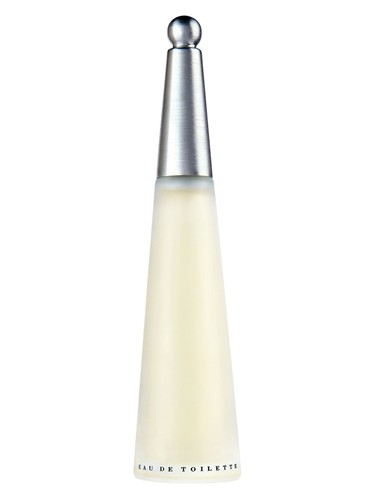
The comparison points tell us exactly where Issey Miyake positioned this fragrance in the market: alongside accessible, crowd-pleasing florals like J''adore by Dior, Chloé Eau de Parfum, and Irresistible Givenchy. These are the reliable bestsellers, the fragrances that populate department store counters and rarely offend. Interestingly, it also lists L''eau d''Issey—the brand''s iconic 1992 aquatic floral—as a comparison, suggesting Pivoine is meant to be a fruitier, sweeter update of that minimalist classic.
Where L''Eau d''Issey Pivoine distinguishes itself is in its commitment to that dominant fruity accord. While Chloé skews more classically rosy and J''adore emphasizes ylang-ylang richness, Pivoine leans into the pear-raspberry juiciness with confidence. It''s sweeter and more overtly youthful than its comparisons, which could be either advantage or drawback depending on your preference.
The Bottom Line
L''Eau d''Issey Pivoine is exactly what it appears to be: a pretty, wearable, spring-forward floral-fruity that does its job without drama or surprise. That 3.54 rating reflects a fragrance that''s technically sound and pleasant but perhaps lacking the distinctive character that elevates good fragrances to beloved signatures. For someone seeking an easy-wearing daytime scent for warm weather, this delivers reliably. The peony note is well-executed, the fruity elements are balanced enough to avoid juvenile sweetness, and the overall effect is polished and appropriate.
Should you try it? If you''re drawn to the fragrances in its comparison set but want something slightly sweeter and more fruit-forward, absolutely. If you''re seeking spring''s first peony bloom captured in liquid form—with all the ephemeral beauty and fleeting presence that implies—this is worth exploring. Just understand that this is a fragrance of lovely moments rather than lasting impressions, of gentle presence rather than bold statement. And sometimes, that''s precisely what you need.
KI-generierte redaktionelle Rezension