First Impressions
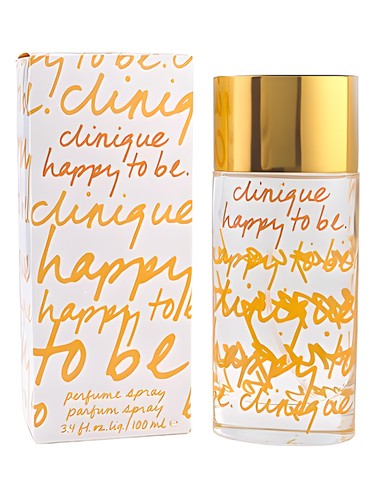
The first spray of Clinique Happy To Be delivers exactly what its name promises—an instant mood lift wrapped in shimmering water notes and crisp pear. This is freshness incarnate, the olfactory equivalent of diving into a pristine lake on a sun-drenched morning. There''s an immediate brightness here, a crystalline clarity that feels both sophisticated and wonderfully uncomplicated. The pear isn''t heavy or syrupy; instead, it adds just enough fruited sweetness to soften the aquatic opening, creating a dewy freshness that reads as clean without veering into detergent territory. It''s the kind of scent that makes you want to throw open the windows and start the day with purpose.
The Scent Profile
Happy To Be builds its personality on a foundation of water notes—that distinctive aquatic quality that defined so many fragrances of the mid-2000s, but here executed with particular finesse. The pear in the opening acts as a juicy counterpoint, adding texture and approachability to what could otherwise feel too abstract or sharp. This top note combination lasts longer than you''d expect, maintaining that sparkling first impression well into the fragrance''s development.
As the aquatic brightness begins to settle, a lush floral bouquet emerges. Lilac takes center stage, bringing its characteristic powdery-green sweetness, while hibiscus and syringa (better known as mock orange) add tropical and honeyed dimensions. Rose rounds out the heart with classic femininity, but it''s subtle here—more of a supporting player than the star. This floral core is where Happy To Be reveals its complexity; it''s unabashedly floral at 100% on the accord scale, yet the flowers never feel heavy or old-fashioned. They maintain that dewy, fresh-cut quality, as if gathered from a garden still wet with morning dew.
The base offers an unexpected turn: cacao paired with sandalwood. The chocolate note isn''t gourmand or edible; rather, it adds a subtle warmth and depth that prevents the fragrance from becoming too ethereal. Sandalwood provides its characteristic creamy woodiness, grounding the composition just enough to give it staying power while maintaining the overall lightness. This base keeps Happy To Be from disappearing entirely, though projection and longevity were never this fragrance''s strongest suits—a common trade-off for such transparent freshness.
Character & Occasion
The data tells a clear story: Happy To Be is overwhelmingly a daytime fragrance, scoring 100% for day wear versus a mere 8% for evening. This isn''t a scent that demands attention or makes bold statements. Instead, it excels at being effortlessly pleasant—the kind of fragrance that makes colleagues lean in slightly and ask what you''re wearing, without overwhelming a conference room.
Seasonality skews heavily toward warmer weather, with summer claiming 80% suitability and spring at 60%. This makes perfect sense given the aquatic and fresh accords that dominate the composition. Fall and winter see sharp drop-offs (26% and 13% respectively), as the lightness that serves so well in heat can feel insubstantial when temperatures plummet. This is a fragrance for sundresses and linen shirts, for outdoor lunches and beach vacations, for any moment when you want to smell clean, pretty, and approachable without trying too hard.
The sweet and fruity accords (57% and 42% respectively) ensure this remains decidedly feminine and youthful, though not juvenile. It''s well-suited for professional environments where you need to be polished but not imposing.
Community Verdict
Here''s where the story takes a bittersweet turn. With a rating of 3.59 out of 5 from 514 votes and a mixed sentiment score of 6.5 out of 10, Happy To Be occupies middle ground numerically—but the Reddit community reveals a more emotional truth. This is a beloved fragrance with a loyal fanbase mourning its discontinuation.
The pros are straightforward: it was fresh, pleasant, and reliable. People genuinely enjoyed wearing it and remember it fondly. But the cons dominate the conversation—Happy To Be is no longer readily available, leaving its fans scrambling for alternatives. Those who''ve attempted to find replacements report that options like Le Labo Bergamote 22 come with premium price tags that make simple, daily freshness feel like a luxury investment. Even clone alternatives prove either expensive or imperfect matches, failing to capture whatever magic made Happy To Be special to its devotees.
This is the fragrance equivalent of a discontinued favorite lipstick shade—the hunt becomes part of the story, and nothing quite fills the void.
How It Compares
Happy To Be finds itself in distinguished company among the similar fragrances listed: J''adore by Dior, Bright Crystal by Versace, Pleasures by Estée Lauder, Eclat d''Arpège by Lanvin, and Omnia Crystalline by Bvlgari. These are all polished, feminine fragrances that prioritize wearability and freshness over avant-garde experimentation. What Happy To Be offered was accessibility—the Clinique price point made this kind of quality freshness available without the prestige markup. That democratic appeal may be precisely what its fans miss most.
The Bottom Line
Clinique Happy To Be represents a particular kind of fragrance tragedy: not a masterpiece lost to time, but a reliable favorite that simply disappeared from shelves, leaving a hole in daily routines. Its 3.59 rating suggests competence rather than genius, but competence in a daily fragrance might be exactly what matters most. This was never meant to be revolutionary—it was meant to make you feel put-together, fresh, and confident every single day.
For those who still have bottles tucked away, treasure them. For those seeking alternatives, the community suggests looking toward Versace Eau Fraiche or investigating Montagne clones, though you''ll need to temper expectations and budget accordingly. Happy To Be proves that sometimes the fragrances we miss most aren''t the most complex or expensive—they''re simply the ones that made getting ready each morning a little bit easier, a little bit brighter.
KI-generierte redaktionelle Rezension