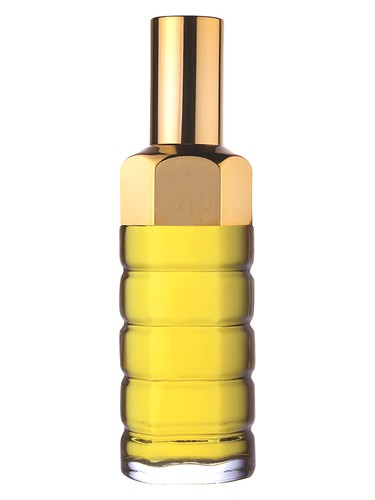
First Impressions
The first spray of Azurée is an awakening—sharp, green, and utterly unexpected from a house known for crowd-pleasing florals. This is not a fragrance that introduces itself with a demure smile. Instead, it announces its presence with a bracing blast of aldehydes tempered by bergamot, while sage and artemisia weave a silvery-green herbal tapestry that feels more apothecary than vanity table. Basil adds an almost culinary edge, a Mediterranean breeziness that''s immediately grounding. There''s gardenia lurking beneath this aromatic assault, but it''s muted, almost reluctant—a whisper of white florals that knows it''s supporting cast rather than star.
This is a fragrance from 1969, and it wears that birthdate proudly. Azurée emerged during an era when perfumery was fearless, when "feminine" didn''t automatically mean soft, sweet, or safe. From that opening moment, you understand: this is a chypre with a backbone of steel.
The Scent Profile
Azurée''s evolution is a masterclass in classical structure, even as its character remains resolutely unconventional. Those opening herbs—sage, artemisia, basil—dominate for a good twenty minutes, creating an aromatic accord that registers at full intensity. It''s fresh, yes, but with a spicy, almost medicinal edge that feels intellectually stimulating rather than merely refreshing.
As the heart emerges, the composition reveals its complexity. Vetiver, typically relegated to base notes in feminine fragrances, appears here at mid-level, bringing its earthy, slightly smoky grassiness forward. Geranium adds a rosy-green facet that bridges the herbal opening to the florals: jasmine, ylang-ylang, and rose. But these aren''t the indolic, heady florals of classic feminines. Instead, they''re filtered through orris root''s powdery refinement and cyclamen''s green transparency, creating a floral heart that feels restrained, almost austere.
The base is where Azurée stakes its claim as a true chypre. Oakmoss forms the foundation—that quintessentially chypre element that gives the family its name—earthy, forest-floor damp, slightly bitter. Leather appears here too, adding a sophisticated toughness that''s unusual for its era in women''s perfumery. Patchouli brings darkness and depth, while amber and musk provide just enough warmth to prevent the composition from becoming too severe. This base lingers for hours, that mossy-woody-leathery triumvirate holding steady on skin, wearing close but persistent.
Character & Occasion
The data tells a clear story: Azurée is a fall fragrance first and foremost, followed closely by winter. This makes perfect sense. Its aromatic, earthy, and herbal character aligns beautifully with crisp autumn days—imagine wearing this while walking through fallen leaves, the scent echoing the season itself. Winter''s 70% rating reflects the warmth of that ambery-musky base, which provides comfort without sweetness.
Interestingly, summer registers at 55%, and this speaks to Azurée''s versatility. Those opening herbs and the vetiver-heavy heart can work in heat, provided you have the confidence to wear something this substantial when others reach for aquatics. This is Mediterranean summer—rocky coastlines and wild herbs baking in the sun—not tropical beaches.
Spring''s lower rating (49%) makes sense; Azurée''s intensity can overwhelm the delicate optimism of that season.
The day versus night split is revealing: 91% day, 95% night. Azurée is that rare fragrance equally at home in boardrooms and cocktail bars. It''s authoritative enough for professional settings—imagine this on a woman who means business—yet sophisticated enough for evening wear. This isn''t a fragrance that changes personality from day to night; rather, it''s consistently itself, and the setting shifts around it.
Community Verdict
With a rating of 4.26 out of 5 from 658 votes, Azurée has earned genuine respect from those who''ve experienced it. This isn''t a perfume with casual wearers; that vote count suggests a dedicated following rather than mass-market appeal. The rating itself indicates excellence—over 4 stars means the majority find it compelling—but falls just short of perfection, likely because its uncompromising character isn''t for everyone.
This is exactly the kind of fragrance that deserves exploration, particularly for those who feel underwhelmed by contemporary offerings. The voting base knows what it has: a legitimate vintage masterpiece that still holds up decades later.
How It Compares
Azurée sits comfortably among legends. Cabochard by Grès and the original Miss Dior share its gutsy chypre DNA—these are fragrances from an era when perfumers weren''t afraid of oakmoss, leather, or complexity. Aromatics Elixir by Clinique is perhaps its closest contemporary sibling, another unapologetically herbal-woody composition that divides opinion. Knowing, also by Estée Lauder, shows the house''s continued commitment to sophisticated, non-mainstream feminines. Paloma Picasso rounds out the comparison set with its own take on the powerful chypre-floral.
Where Azurée distinguishes itself is in that aromatic dominance—the way herbs take center stage rather than simply supporting florals. It''s greener, more overtly botanical than most of its peers.
The Bottom Line
Azurée isn''t for everyone, and it knows it. This is a fragrance for the person who finds modern perfumery too safe, too sweet, too focused-grouped into blandness. It''s for those who want their scent to say something specific: intelligent, grounded, unafraid of complexity.
At over fifty years old, Azurée remains remarkably vital. Yes, reformulations have likely softened some edges (oakmoss regulations have affected all vintage chypres), but the character endures. The 4.26 rating from a knowledgeable community confirms this isn''t nostalgic appreciation—it''s genuine quality that transcends era.
Should you try it? If you''ve been searching for a true chypre, if you love herbs and earth more than vanilla and fruit, if you want something with genuine character rather than mass appeal, absolutely. Azurée rewards patience and confidence. It''s a fragrance that asks something of its wearer—and gives back magnificently in return.
KI-generierte redaktionelle Rezension