First Impressions
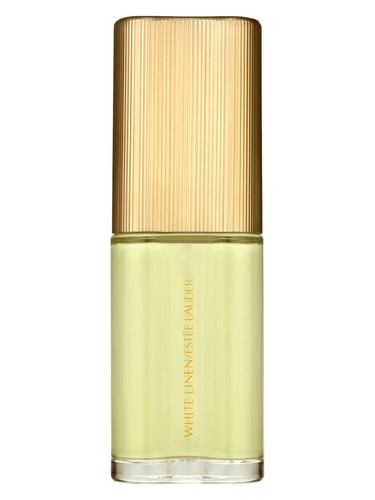
The first spray of White Linen is a revelation in brightness. A sharp citrus-aldehyde combination hits immediately—the kind of pristine, almost soapy opening that defined luxury perfumery in the late 1970s. There''s lemon, yes, but it''s softened by an unexpected whisper of peach, creating something that feels simultaneously bracing and tender. Within seconds, you understand the name completely: this is the olfactory equivalent of freshly laundered linen sheets dried in open air, still warm from the sun. The aldehydes here aren''t the vintage bombshell type—they''re cleaner, more restrained, like morning light filtered through white curtains.
The Scent Profile
White Linen builds its composition like a carefully assembled bouquet, each layer revealing new florals that somehow never overwhelm despite their sheer number.
Those opening notes of aldehydes, lemon, and peach create a sparkling introduction that lasts perhaps fifteen minutes before the heart truly unfolds. And what a heart it is: hyacinth, carnation, lily-of-the-valley, rose, lilac, iris, jasmine, orris, violet, ylang-ylang, and orchid. On paper, this reads like excess. In practice, it''s a masterclass in blending. The carnation provides a subtle spiciness that prevents the composition from becoming too sweet, while lily-of-the-valley and hyacinth maintain that crisp, green quality established in the opening. Rose and jasmine anchor the floral accord without dominating, and the iris-orris-violet trio adds a powdery softness that feels elegant rather than dated.
What makes White Linen work where other floral bouquets might collapse under their own ambition is the remarkable base. Oakmoss and vetiver provide an earthy, woody foundation that grounds all those florals in something substantial. Cedar and sandalwood add warmth without heaviness, while benzoin, honey, amber, and tonka bean create a gently sweet drydown that feels like skin rather than perfume. The oakmoss, in particular, is crucial—it''s that element that places White Linen firmly in its era, when chypre structures still dominated quality fragrances.
The evolution is linear but satisfying: fresh and bright for the first hour, deeply floral for the next three to four hours, then settling into a woody-amber skin scent that can last well into the evening.
Character & Occasion
The community data tells a clear story: this is a spring fragrance first and foremost, with 87% of wearers finding it most appropriate for that season. Summer claims 62%, which makes sense given the fresh, clean character. That it scores 100% for daytime wear and only 28% for evening is equally revealing—White Linen is assertive and bright, perhaps too much so for intimate evening settings.
This is a fragrance for women who appreciate presence. It''s not a wallflower scent, nor is it meant to be. The aldehydic-floral combination projects, making it ideal for professional settings, daytime events, or any situation where you want to be remembered as polished and put-together. Think garden parties, brunch meetings, art gallery openings, or simply elevating a Tuesday morning at the office.
The 75% woody accord and 59% earthy accord prevent it from reading as purely feminine in a delicate sense. There''s structure here, almost a masculine confidence to the composition that makes it feel sophisticated rather than simply pretty.
Community Verdict
With a rating of 3.73 out of 5 from 3,786 votes, White Linen occupies interesting territory. This isn''t a universally adored modern crowd-pleaser, nor is it a niche darling with a small but devoted following. Instead, it''s a classic that some find indispensable and others find challenging. That rating suggests a fragrance with strong character—the kind that rewards those whose tastes align with it, but doesn''t attempt to please everyone.
The substantial number of votes indicates this remains a fragrance people actively wear and evaluate decades after its 1978 launch, which speaks to its enduring relevance.
How It Compares
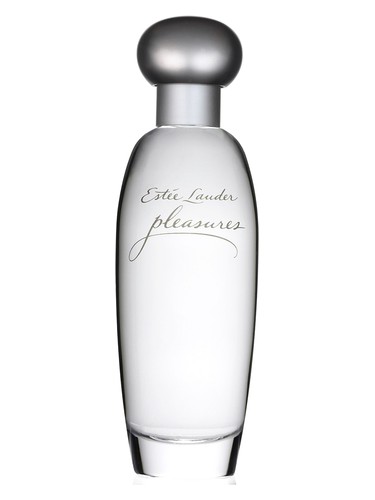
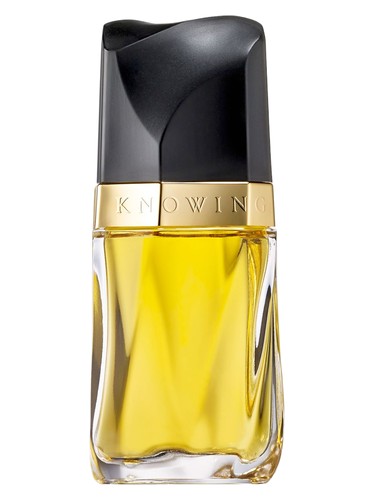
White Linen sits comfortably among other aldehydic florals of its era and lineage. The comparison to Chanel No. 5 Parfum is apt—both use aldehydes to create that champagne-bubble sparkle—though White Linen is decidedly fresher and less opulent. L''Air du Temps shares that bright, uplifting quality, while Estée Lauder''s own Knowing offers a similarly sophisticated floral approach with more depth, and Pleasures takes the fresh floral concept in a lighter, more transparent direction.
Aromatics Elixir, another Clinique classic, represents perhaps the opposite approach: where White Linen is bright and open, Aromatics Elixir is mysterious and intense. Together, these comparisons paint White Linen as the daylight option in a category of quality floral compositions—the most optimistic, the most overtly fresh.
The Bottom Line
White Linen remains relevant because it does something specific and does it well: it captures sophisticated freshness without resorting to aquatics or modern synthetic musks. The 1978 formula may feel assertive to contemporary noses accustomed to lighter compositions, but that''s precisely its charm.
At its price point—typically quite reasonable compared to niche offerings—White Linen offers excellent value for those who appreciate classic perfumery. The longevity is solid, the projection notable, and the quality evident.
This is not a fragrance for someone seeking something subtle or unconventional. It''s for the woman who wants to smell polished, put-together, and yes, clean—but in the most luxurious sense of that word. If you appreciate aldehydic florals, if you remember when perfumes announced your arrival rather than whispered your presence, or if you simply want something appropriate for spring mornings that isn''t another generic citrus, White Linen deserves a try. Just don''t expect it to fade quietly into the background. That was never its intention.
KI-generierte redaktionelle Rezension