First Impressions
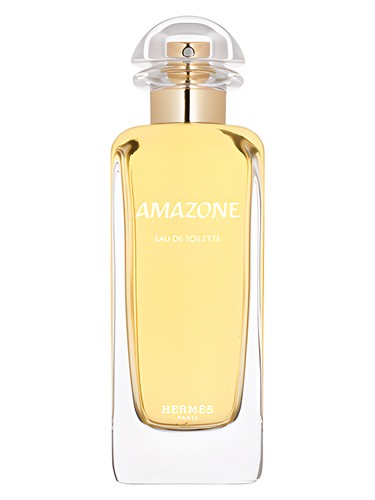
The first spray of Amazone is not a gentle introduction—it''s a declaration. A blast of galbanum surges forward with almost confrontational intensity, sharp and resolutely green, softened only slightly by the bright citrus glint of bergamot and mandarin orange. This is not the manicured lawn greenness of modern fragrances, but something wilder: crushed stems, violet leaf''s cucumber-like coolness, and the herbaceous bite of cassia creating an opening that feels more like stepping into a dense forest after rain than any flower garden. The neroli adds a bittersweet edge, while Brazilian rosewood lends an almost spicy woodiness from the very beginning. Within seconds, you understand why Amazone earned its warrior-woman namesake—this is a fragrance that doesn''t apologize for taking up space.
The Scent Profile
Amazone''s evolution is a masterclass in how green chypres once commanded respect. Those opening moments, dominated by that galbanum assault, gradually soften as the heart notes emerge—though "soften" might be too gentle a word. The floral middle is there, certainly, with jasmine, rose, and lily-of-the-valley providing classical elegance, but they''re filtered through an unusual lens. Hyacinth brings its own green, almost soapy quality, while narcissus adds a creamy, slightly narcotic depth. The inclusion of black currant and raspberry introduces a fruity dimension that reads less as sweetness and more as tart, vegetal richness—think the sharp juice of crushed berries rather than candied fruit.
The iris and orris root deserve special mention here. Rather than the powdery softness they often provide, in Amazone they seem to amplify the earthy, root-like quality of the composition. This is iris dug from the ground, dirt still clinging to its rhizomes.
As the fragrance settles into its base, the woody accord—rated at 95% prominence—takes command. Oakmoss forms the backbone, that essential chypre element bringing its dry, almost musty forest floor character. Vetiver adds smoky, earthy facets, while cedar and sandalwood provide structure without sweetness. The cinnamon whispers rather than shouts, adding warmth without straying into gourmand territory. Ylang-ylang and amber appear in the composition''s final hours, but they''re supporting players, never overwhelming the green-woody character that defines this fragrance from first spray to final fadeout.
Character & Occasion
The community has spoken clearly on when Amazone shines: this is overwhelmingly a daytime fragrance (100% day versus 43% night), and it thrives in transitional weather. Fall leads slightly at 76%, with spring close behind at 75%, which makes perfect sense—those seasons where green things either burst forth or prepare for dormancy, where the air carries both warmth and coolness. That it scores 54% for summer suggests it has enough freshness to survive warm weather, though its woody, earthy base (59% earthy accord) might feel substantial in real heat.
This is not a fragrance for the tentative. Amazone was created in an era when women''s fragrances could be bold, angular, and uncompromising. It suits someone who appreciates that aesthetic—who wants presence rather than pretty, character rather than crowd-pleasing. It''s magnificent in professional settings where you need to command respect, perfect for outdoor autumn walks, ideal for days when you want to feel armored in elegance rather than draped in sweetness.
Community Verdict
With 693 votes resulting in a 4.09 out of 5 rating, Amazone has earned solid respect from those who''ve experienced it. This isn''t a perfect score, and that''s telling—this fragrance has a specific personality that won''t win universal adoration. But for those whose tastes align with classic green chypres, that rating reflects genuine appreciation. Nearly 700 people have taken the time to rate a fragrance that''s been on the market for five decades, which speaks to its enduring relevance and the loyalty it inspires in its devotees.
How It Compares
Amazone sits in distinguished company. Its closest relative is Chanel N°19, and indeed, both share that galbanum-forward green intensity and refined French sensibility. Where Amazone distinguishes itself is in its more overtly woody character—that 95% woody accord places it in slightly more grounded territory than N°19''s airier elegance. The comparison to Miss Dior (presumably the original) and Magie Noire positions it among the great green monsters of vintage perfumery, though Amazone maintains slightly more approachability than Magie Noire''s gothic intensity. The mention of Mitsouko suggests shared chypre DNA, while Calèche—also from Hermès—shows the house''s consistent commitment to sophisticated, verdant compositions.
Within this category, Amazone might not be the most famous (that crown belongs to N°19), but it holds its ground as perhaps the most assertively woody of the lot, the one that leans furthest into earthy, forest-floor territory rather than floral-green brightness.
The Bottom Line
Amazone is not a beginner''s fragrance, and it shouldn''t try to be. At 50 years old, it remains remarkably vital—a testament to master perfumery from an era when houses like Hermès could afford to be uncompromising. That 4.09 rating reflects honest appreciation: this is very good at what it does, even if what it does isn''t for everyone.
The question isn''t whether Amazone is perfect—it''s whether you''re the right person for it. If you''ve ever smelled Chanel N°19 and wished it were woodier, earthier, more grounded in forest soil than French gardens, Amazone deserves your attention. If you''re drawn to green fragrances but find modern interpretations too polite, too reformulated, too safe, this is worth seeking out. Yes, reformulation has likely touched it over five decades, but the bones of something remarkable remain.
Should you buy it blind? Probably not—that galbanum intensity is too divisive. But should you sample it if you have any love for classic green chypres? Absolutely. Amazone isn''t just a fragrance; it''s a reference point, a reminder of what perfumery once dared to be.
KI-generierte redaktionelle Rezension