First Impressions
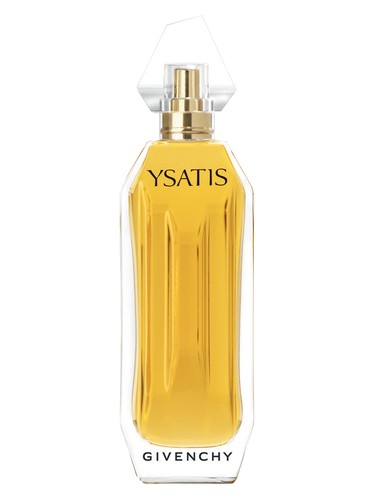
The first spray of Ysatis feels like opening the door to a palatial conservatory at midnight—opulent, heady, and utterly uncompromising. This is not a fragrance that introduces itself with a demure handshake. The aldehydes crackle like champagne bubbles while ylang-ylang and orange blossom unfurl with brazen confidence, creating that distinctly 1980s sparkle that separates timid florals from true divas. There''s an immediate richness here, a coconut-laced creaminess woven through the citrus brightness that hints at the decadence to come. Givenchy created Ysatis during an era when perfumes were designed to announce your presence before you entered a room, and this opening certainly delivers on that promise.
The Scent Profile
The architecture of Ysatis reveals itself as a study in contrasts—fresh yet animalic, radiant yet shadowed, classic yet daringly modern for its time. Those opening notes of galbanum provide a green, almost metallic edge that keeps the sweeter elements of coconut and mandarin from becoming cloying. Brazilian rosewood adds a creamy, slightly spicy woodiness from the very beginning, telegraphing the fragrance''s woody dominance (clocking in at a perfect 100% in its accord profile).
As Ysatis settles into its heart, the white floral symphony reaches full orchestration. Tuberose and jasmine form the cornerstone—creamy, narcotic, almost overwhelming in their intensity. But Givenchy''s perfumers were too sophisticated to let these notes dominate unchallenged. Carnation brings a spicy, clove-like edge, while narcissus adds a green, slightly bitter complexity. The iris lends powdery elegance, and then there''s that curious rum note—a boozy warmth that amplifies the intoxicating quality of the florals. This is the stage where Ysatis earns its 96% white floral accord rating, yet the 79% yellow floral presence (likely from the ylang-ylang and neroli characteristics) keeps it from becoming a pure white floral monolith.
The base is where Ysatis truly distinguishes itself from safer contemporaries. Honey and civet create an animalic sweetness that borders on feral—this is the 68% animalic accord making itself known. Oakmoss grounds everything with its earthy, forest-floor dampness, while sandalwood and patchouli provide creamy, slightly dirty woods. Cloves echo the carnation''s spiciness, amber adds resinous warmth, and musk with vetiver create a skin-close finale that''s both intimate and persistent. Vanilla softens the edges just enough to keep this from becoming purely confrontational. The result is a fragrance that wears close to the body but trails memories in its wake.
Character & Occasion
Ysatis occupies a peculiar space in the perfume wardrobe—it''s labeled as suitable for all seasons, which speaks both to its versatility and its intensity. This isn''t a delicate spring fragrance or a cozy winter snuggler; rather, it''s a scent that creates its own climate wherever it goes. The woody-floral structure makes it substantial enough for cooler weather, while the white florals and citrus brightness prevent it from becoming suffocating in warmth.
The question of when to wear Ysatis is less about time of day and more about occasion and attitude. This is a fragrance for someone who appreciates the grand gesture, the statement piece, the unapologetic presence. Think important dinners, gallery openings, evenings where you want to be remembered. It''s for the person who finds modern fragrances too polite, too focused-grouped into inoffensiveness. Ysatis demands a certain confidence—it''s not background music; it''s the main event.
Community Verdict
The fragrance community''s relationship with Ysatis appears complicated by time and changing tastes. With a respectable 4.09 out of 5 rating from 3,516 votes, it clearly maintains a devoted following decades after its release. However, the specific community discussions analyzed showed minimal substantive commentary about Ysatis itself, suggesting it may occupy a space outside current trending conversations—neither universally beloved nor controversial enough to dominate discussion threads.
This silence might actually tell us something important: Ysatis exists in that middle territory of respected classics that haven''t quite achieved cult status in contemporary fragrance discourse. It''s not polarizing like some powerhouse florals, nor is it riding waves of nostalgia-driven rediscovery. Instead, it seems to be quietly appreciated by those who know it, while remaining off the radar for newcomers exploring the 1980s canon.
How It Compares
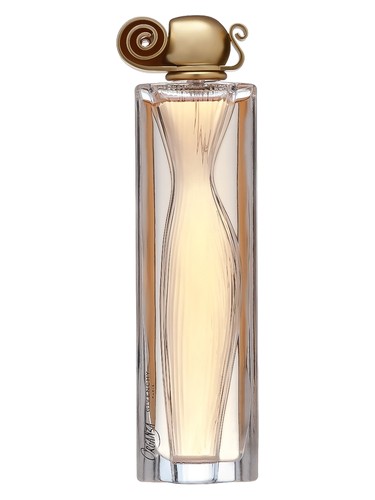
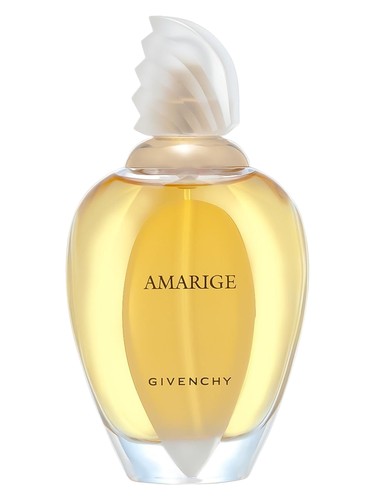
Placing Ysatis alongside its suggested siblings reveals interesting distinctions. Estée Lauder''s Knowing shares that woody-floral-animalic DNA, though Ysatis leans harder into the white floral opulence. Amarige, Givenchy''s own 1991 follow-up, took the floral intensity even further—making Ysatis seem almost restrained by comparison. The Chanel No 5 Parfum connection lies in their shared aldehydic brightness and complex floral hearts, though Ysatis trades Chanel''s soapy elegance for something earthier and more overtly sensual. Dune offers a more abstract, modern take on similar territories, while Paloma Picasso''s namesake fragrance matches Ysatis in bold, spicy animalic character.
Within the white floral-woody category, Ysatis distinguishes itself through its particular balance of sweetness, animalic depth, and that distinctive rum-honey-civet combination in its heart and base.
The Bottom Line
Ysatis represents 1980s perfumery at its most technically accomplished—before reformulations softened edges, before focus groups smoothed out peculiarities, when perfumers could use real oakmoss and civet gave fragrances their pulse. At 4.09 out of 5, it maintains solid approval among those familiar enough to rate it, suggesting that quality endures even as trends shift.
This isn''t a fragrance for everyone, and it doesn''t aspire to be. If your tastes run toward clean musks, transparent florals, or anything described as "office-safe," Ysatis will likely overwhelm. But if you''ve been searching for something with substance, complexity, and unapologetic presence—something that smells like perfume in the richest sense of that word—Ysatis deserves your attention. It''s a time capsule from an era when perfumes were allowed to be powerful, complex, and just a little bit dangerous.
AI-generated editorial review