First Impressions
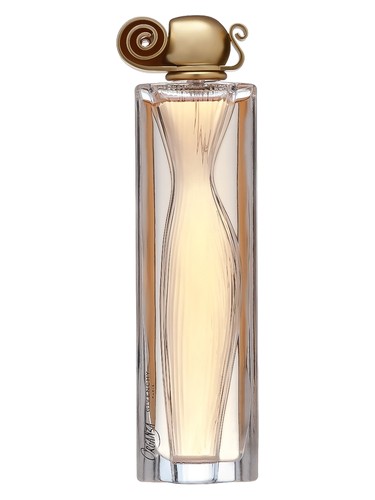
The first spray of Organza transports you directly to 1996—and whether that''s a compliment depends entirely on your relationship with the decade. This is white floral maximalism at full volume, opening with an unexpected blast of nutmeg that immediately announces this isn''t your demure garden party perfume. Gardenia and African orange flower surge forward almost simultaneously, creating a heady, almost dizzying introduction that''s been softened—just barely—by a whisper of green notes and bergamot. It''s opulent, unapologetic, and unmistakably a product of its era, when restraint in fragrance was considered boring rather than sophisticated.
That spicy-floral greeting tells you everything about what Organza wants to be: luxurious fabric made scent, tactile and rich, something you''d wear with velvet and gold jewelry under dim lighting. The question is whether it achieves that ambition or simply drowns in it.
The Scent Profile
Organza''s heart reveals its true nature as an unabashed white floral powerhouse, dominated by tuberose that doesn''t apologize for its intensity. Jasmine and honeysuckle weave through the composition, while iris and peony attempt to add a powder-soft sophistication. Mace echoes that opening nutmeg, maintaining the fresh spicy accord that keeps this from being just another white floral bomb. The heart is where Organza either wins you over completely or loses you forever—that tuberose is creamy, indolic, and utterly committed to making itself known.
This isn''t the clean, modern white floral approach of contemporary releases. There''s an animalic quality lurking beneath those petals (registering at 23% in its accord profile), giving Organza a lived-in, slightly feral edge that some will find intoxicating and others overwhelming.
The drydown brings relief or disappointment, depending on your perspective. Vanilla, amber, and a woody foundation of guaiac wood and Virginia cedar create a warm, slightly sweet base that softens all that floral intensity. The woodsy notes comprise 30% of the overall accord profile, providing structure to what could otherwise float away into pure abstraction. This is where Organza finally breathes, where it becomes wearable rather than simply impressive. The vanilla never goes full gourmand—it''s more about creating cushioning than dessert.
Character & Occasion
The data tells a clear story: Organza is a cold-weather warrior. Fall registers at 98% suitability and winter at 94%, while summer limps in at a mere 26%. This makes perfect sense—Organza''s density and warmth would be suffocating in heat but bloom beautifully when there''s a chill in the air. Spring at 38% suggests it might work during transitional moments, but this is fundamentally a fragrance for coats and scarves, not sundresses.
Interestingly, while day wear clocks in at 65%, night wear hits a perfect 100%. Organza clearly comes alive after dark, when its intensity feels appropriate rather than aggressive. This is date night territory, evening events, occasions when you want your presence felt before you enter the room. It skews mature—not in age but in attitude. This isn''t a fragrance for someone still figuring out their taste; it''s for someone who knows exactly what they want and isn''t afraid of it.
Community Verdict
The r/fragrance community''s assessment, based on 33 opinions, lands at a lukewarm 6.5 out of 10—and their commentary reveals why. The original Organza suffers from what might be called the nostalgia gap: people remember it more fondly than they actually enjoy wearing it. Several commenters noted that the original version feels underwhelming when actually experienced, failing to live up to its own mystique. It may not appeal to modern fragrance preferences outside niche collectors who appreciate it as a historical artifact rather than a daily wear.
The plot twist? The Indécence variant receives considerably more praise for its warm, spicy profile, with enthusiasts describing it as having an excellent scent composition that improves on the original formula. The problem is accessibility—both versions are difficult to find, with Indécence being particularly elusive as a discontinued release.
The community identifies Organza''s ideal audience clearly: vintage fragrance collectors, 90s nostalgia seekers, and niche perfume enthusiasts exploring discontinued releases. It''s appreciated more for its artistic and historical value than its practical wearability.
How It Compares
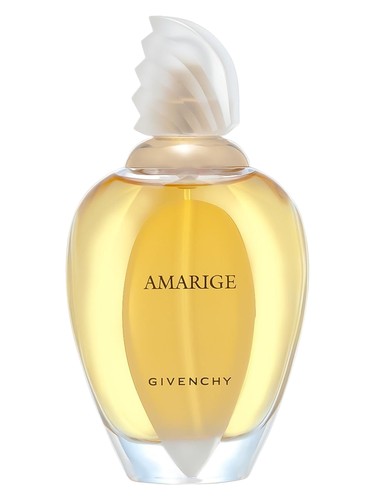
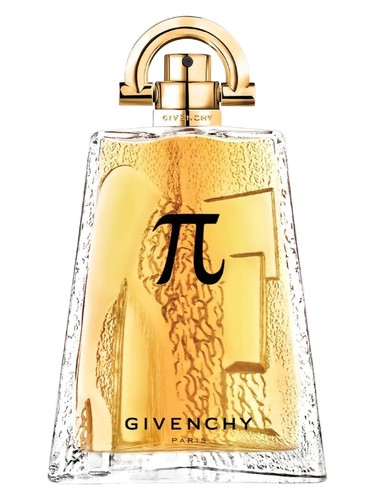
Organza sits in formidable company among white floral heavyweights: Pure Poison by Dior, Amarige by Givenchy, Alien by Mugler, J''adore by Dior, and Dior Addict. Within this lineup, Organza distinguishes itself through that spicy opening and animalic undertone—it''s less polished than J''adore, less ozonic than Alien, and spicier than most of its peers.
Its sibling Amarige shares DNA but goes even bigger and louder. Organza, by comparison, shows some restraint—which is saying something given how bold it still reads today.
The Bottom Line
With a 3.96 out of 5 rating across 11,456 votes, Organza lands solidly in "good but not great" territory. That rating feels accurate: this is a competent, well-constructed fragrance that exemplifies its era without necessarily transcending it.
Should you seek it out? If you''re a collector documenting 90s perfumery or someone who genuinely loves vintage white florals with spicy edges, absolutely. If you actually manage to find Indécence, grab it—the community consensus suggests it''s the superior version. For everyone else, the similar fragrances list offers more accessible alternatives that deliver comparable experiences with better availability.
Organza represents a specific moment in perfume history when more was more, and bigger was better. It''s a fascinating piece of olfactory nostalgia—just don''t expect it to feel as revolutionary as it might have in 1996.
AI-generated editorial review