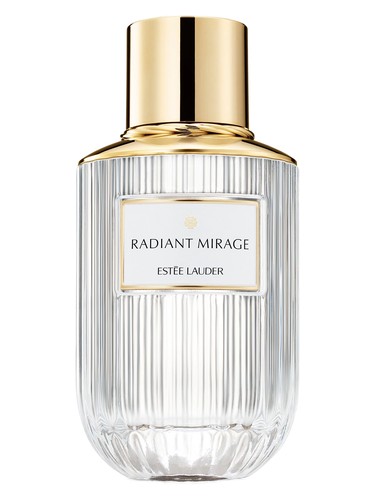
First Impressions
Radiant Mirage announces itself not with a shout, but with a knowing whisper. The opening spray delivers jasmine sambac in its purest form—creamy, slightly indolic, with that characteristic buttery warmth that sets this particular jasmine variety apart from its sharper cousins. But here''s where Estée Lauder subverts expectations: rather than building a traditional white floral composition, that jasmine serves as a luminous veil over something decidedly earthier, woodier, more grounded. Within moments, you sense the direction this fragrance is heading—toward shadow rather than light, despite its name''s sunny promise.
The mirage, it turns out, is in the misdirection. This is not another jasmine soliflore. It''s a patchouli fragrance that simply happens to open with one of perfumery''s most radiant florals.
The Scent Profile
Jasmine sambac carries the top notes solo, which is an unusual choice and a confident one. There''s no citrus sparkle, no fruity amplification, no green leaf to frame it. Just jasmine, rich and full-bodied, with that particular thickness that jasmine sambac brings—almost honeyed, verging on tropical. It''s a brief but memorable introduction, lasting perhaps twenty minutes before the heart begins its inevitable pull downward.
The sandalwood heart emerges as the fragrance''s true mediator, creamy and soft, bridging the gap between jasmine''s brightness and the deep, earthy base waiting below. This isn''t the sharp, pencil-shaving sandalwood of decades past, but rather a modern interpretation—smooth, slightly sweet, with a subtle spiciness that hints at the warm spicy accord (registering at 62%) that runs through the fragrance''s architecture. The sandalwood phase is where Radiant Mirage feels most balanced, most approachable, before it commits fully to its woody identity.
Then the patchouli arrives, and it arrives with authority. At 83% prominence in the accord structure, this is where the fragrance reveals its true nature. The patchouli here is rich and robust—earthy (33% accord), slightly balsamic (35%), with that characteristic darkness that quality patchouli brings. It''s not the head-shop patchouli of stereotype, but rather a refined, almost chocolate-tinged interpretation that feels luxurious rather than bohemian. The woody accord, dominating at 100%, wraps everything in a warm, enveloping embrace that lasts for hours.
Character & Occasion
Radiant Mirage occupies an interesting space in the wear-ability spectrum. The data shows it as equally suited to all seasons—and in practice, this rings true. The jasmine opening feels appropriate for spring and summer warmth, while the patchouli-sandalwood base provides enough weight and warmth for autumn and winter wear. It''s a chameleon in that regard, adapting to temperature and context with surprising versatility.
What''s particularly intriguing is the apparent neutrality in day versus night wear according to community feedback. This suggests a fragrance that doesn''t perform the usual theatrics—it''s neither an obvious office scent nor an explicit evening statement. Instead, it occupies that sophisticated middle ground: serious enough for professional settings, interesting enough for after-hours, yet never so demanding that it limits your options.
This is a fragrance for someone who''s moved past the need for obvious femininity markers. Yes, it''s marketed as feminine, but the dominant woody and patchouli structure gives it a unisex confidence. It suits the person who wants presence without projection, depth without darkness.
Community Verdict
With a rating of 4.13 out of 5 stars across 590 votes, Radiant Mirage has clearly resonated with a substantial audience. That''s a strong showing—not quite the breathless adoration of cult classics, but a solid, reliable endorsement that suggests consistent quality and broad appeal. The vote count itself indicates healthy interest for a 2021 release, suggesting it''s found its audience and held their attention.
What that rating tells us is this: Radiant Mirage is a fragrance that delivers on its promises without necessarily exceeding them. It''s very good at what it does, even if what it does might not be for everyone.
How It Compares
The comparison set reveals Radiant Mirage''s ambitions clearly. Black Orchid by Tom Ford, Portrait of a Lady by Frederic Malle, Coco Noir by Chanel—these are heavy hitters, fragrances with serious patchouli and woody credentials. Radiant Mirage shares their DNA but wears it more gently. Where Black Orchid can overwhelm, Radiant Mirage persuades. Where Portrait of a Lady dominates a room, this fragrance creates an intimate perimeter.
Dune by Dior is perhaps the most telling comparison—another Estée Lauder Companies fragrance that balanced floral notes against woody, ozonic depth. There''s a similar philosophy at work: accessibility meeting complexity, commercial appeal wrapped around artistic vision.
In this distinguished company, Radiant Mirage holds its own as the more approachable option, the gateway into serious woody-patchouli territory for those not ready to commit to Tom Ford''s intensity.
The Bottom Line
Radiant Mirage succeeds at being exactly what modern Estée Lauder does best: accessible luxury with genuine substance. At 4.13 stars, it sits comfortably in "very good" territory—refined enough to satisfy experienced noses, wearable enough not to intimidate newcomers to woody fragrances.
Should you try it? Absolutely, if you''re curious about patchouli but intimidated by its reputation, or if you want a all-season fragrance that feels substantial without being heavy. This is woody sophistication with training wheels—and that''s not an insult. Sometimes the middle path, executed with skill and quality ingredients, is exactly what your collection needs.
AI-generated editorial review