First Impressions
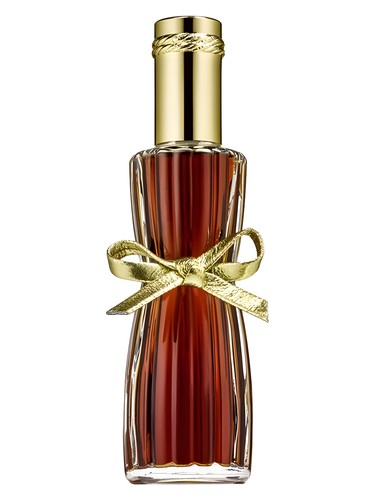
The first spray of Youth-Dew is an unapologetic statement—a burst of aldehydes and spices colliding with the sweetness of peach and an unmistakable note of Coca-Cola syrup. Yes, you read that right. There''s something distinctly vintage-soda-fountain about the opening, a fizzy sweetness tempered by aromatic lavender and citrus. This isn''t a fragrance that whispers; it announces itself with the confidence of a woman entering a room in full fur and jewels. The 1953 DNA is evident immediately—this is Old Hollywood glamour captured in liquid form, rich and unabashedly bold from the first moment it touches skin.
The Scent Profile
Youth-Dew''s evolution is a masterclass in oriental perfumery. Those opening aldehydes provide a soapy, effervescent quality that keeps the spice-laden top from becoming overwhelming. The narcissus and orange add a narcotic floral brightness, while bergamot cuts through with citrus clarity. But make no mistake—the spices dominate from the start, setting the stage for what''s to come.
As the fragrance settles into its heart, the composition reveals its true character: a opulent tapestry of spice and florals that feels almost baroque in its complexity. Cloves and cinnamon take center stage, their warmth amplified by cassia''s sweet-spicy character. Against this backdrop, rose, jasmine, and ylang-ylang unfold with a heady richness that speaks to Youth-Dew''s era, when florals were allowed to be full-bodied and unashamedly indulgent. Lily-of-the-valley provides a green counterpoint, while orchid adds an exotic, almost creamy dimension.
The base is where Youth-Dew truly earns its reputation as a warm spicy amber powerhouse. Tolu and Peru balsam create a resinous sweetness that''s almost honeyed, while incense adds a smoky, ceremonial quality. Oakmoss and patchouli ground the composition with earthy depth, vetiver contributes woody dryness, and vanilla softens the edges without tipping into gourmand territory. Amber and musk wrap everything in a golden, skin-close warmth that lingers for hours—sometimes days on clothing.
Character & Occasion
This is unquestionably a cold-weather fragrance. The data confirms what your nose tells you: Youth-Dew achieves perfect scores for winter and near-perfect for fall, while summer wearers are few and far between at just 17%. The density of spices, balsams, and resins creates a warming cocoon that feels suffocating in heat but absolutely right when temperatures drop.
The day-versus-night breakdown is particularly revealing: while 52% find it suitable for daytime wear, a commanding 95% endorse it for evening. This makes sense—Youth-Dew has a formality and intensity that feels most at home in dimly lit restaurants, theater lobbies, and evening gatherings. It''s the olfactory equivalent of silk taffeta and statement jewelry.
Who is this for? Youth-Dew requires confidence. It''s not for those who prefer their fragrances to stay close and polite. This is a scent that projects, that leaves a trail, that makes people ask "what are you wearing?" Whether you''re 25 or 75, wearing Youth-Dew is a choice to be noticed, to embrace a more maximalist approach to fragrance that has fallen somewhat out of fashion in our modern era of skin scents and sheer musks.
Community Verdict
With 5,822 votes yielding a 3.75 out of 5 rating, Youth-Dew sits in interesting territory. This isn''t universal adoration, but rather a respectful acknowledgment of a fragrance that polarizes. Some of those dissenting votes likely come from those expecting something lighter or more contemporary. Youth-Dew doesn''t compromise or modernize—it is unapologetically itself, and that authenticity resonates with those who appreciate its particular brand of vintage glamour. The substantial vote count suggests this remains a fragrance people feel compelled to experience and discuss, even 70 years after its debut.
How It Compares
Youth-Dew essentially wrote the playbook that later blockbusters would follow. Its DNA echoes through Yves Saint Laurent''s Opium (1977), Calvin Klein''s Obsession, and even Tom Ford''s Black Orchid. It shares the rich amber DNA of Chanel''s Coco Eau de Parfum and the balsamic warmth of Dior''s Dune. Where Youth-Dew distinguishes itself is in its uncompromising commitment to spice—that cinnamon-clove heart burns hotter and more persistently than most of its descendants. It''s also, notably, more affordable than most of these comparisons, carrying its heritage status without the niche price tag.
The Bottom Line
Youth-Dew occupies a unique space in perfume history—it''s the fragrance that taught American women they could buy perfume for themselves rather than waiting for men to gift it. That revolutionary spirit still feels present in the bottle. At 3.75 stars, this isn''t a crowd-pleaser, and that''s precisely the point. It''s a fragrance for those who want to smell like something, who appreciate the craftsmanship of vintage perfumery, and who aren''t afraid of a little (or a lot of) spice.
Should you try it? Absolutely, if you have any interest in understanding the foundations of modern oriental perfumery. Should you buy a full bottle? That depends entirely on your tolerance for intensity and your appreciation for vintage aesthetics. Sample it first, wear it on a cold day, give it time to develop. Youth-Dew rewards patience and punishes hasty judgment. For those it clicks with, it becomes a beloved signature. For others, it remains a fascinating piece of perfume history—respected, if not worn. Either way, it deserves its place in the canon.
AI-generated editorial review