First Impressions
The first spray of L''Air transports you into a cloud of pristine white florals—imagine standing in a garden where magnolia and jasmine blooms have just opened to greet the morning sun. This Nina Ricci creation from 2011 announces itself with unmistakable femininity, its white floral accord reaching maximum intensity at 100%. There''s an immediate softness here, a gentle whisper rather than a shout, with violet undertones threading through like silk ribbons. The overall impression is one of clean, almost ethereal beauty—the kind of scent that makes you think of fresh linens billowing in a spring breeze, or the first gardenia bloom of the season carefully placed in crystal.
The Scent Profile
Without specified individual notes, L''Air reveals itself through its accord structure, and that structure tells a compelling story. The dominant white floral character (100%) forms the backbone of this composition, supported impressively by a general floral accord at 94%. This isn''t the heavy, indolic white floral of vintage perfumery—instead, it leans toward the contemporary, with a violet accord at 39% adding a powdery, slightly green softness that keeps the florals from overwhelming.
As the fragrance settles, fruity nuances emerge at 34%, providing just enough sweetness to balance the floral intensity without tipping into gourmand territory. This fruity element likely brightens the white florals, perhaps suggesting the nectar-like quality of certain blossoms rather than identifiable fruit notes. The woody accord at 32% provides gentle grounding, while the powdery aspect at 27% adds to that clean, fresh-from-the-bath quality that makes L''Air feel both refined and approachable.
The evolution is seamless rather than dramatic—this is a fragrance that maintains its character from first spray to final fadeaway, creating a consistent aura of soft, feminine florals that never veer into sharp territory.
Character & Occasion
The seasonal data tells you everything you need to know about L''Air''s natural habitat: this is overwhelmingly a spring fragrance (93%), perfectly suited to those transitional days when winter''s heaviness needs to be shed in favor of something lighter and more optimistic. Summer comes in second at 50%, suggesting the fragrance has enough freshness to handle warm weather without wilting, though autumn (40%) and winter (28%) see significantly less enthusiasm—this isn''t a scent built for cold weather''s demands.
The day versus night rating is particularly decisive: 100% day, 30% night. L''Air is unabashedly a daytime companion, the kind of scent you''d wear to brunch, a garden party, or a spring wedding. It''s too soft and fresh for evening glamour, lacking the intensity or drama that night occasions often call for. This is office-appropriate, family-gathering-friendly, and ideal for situations where you want to smell beautiful without commanding attention.
The profile suggests this was created for women who appreciate classic femininity without stuffiness—those who might reach for a floral dress and ballet flats rather than leather and stilettos.
Community Verdict
The Reddit fragrance community''s sentiment lands at a mixed 5.5 out of 10, though the overall rating of 3.8 from 630 votes suggests broader appreciation among those who''ve actually experienced it. The disconnect reveals L''Air''s central challenge: it''s become a ghost.
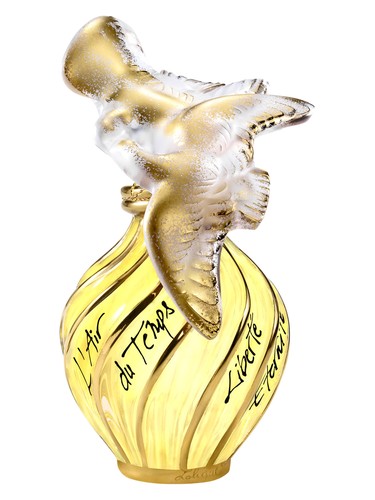
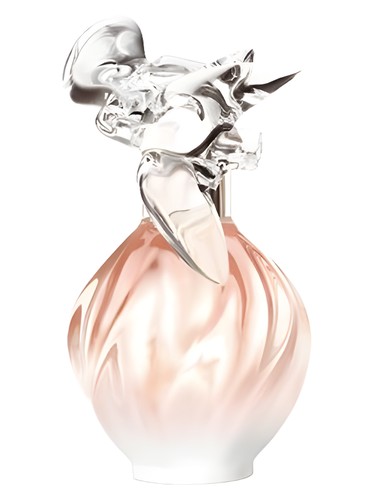
The pros are clear among those who remember it: feminine and fresh scent profile, beautiful bottle and packaging design, and significant nostalgic appeal for previous owners. But the cons dominate the current conversation—L''Air appears to be discontinued and notoriously difficult to find. Limited community discussion reflects its absence from shelves, and there''s notable confusion with Nina Ricci''s iconic L''Air du Temps, an entirely different fragrance that continues to be available.
Based on 32 community opinions, the consensus positions L''Air as a collector''s item for those seeking discontinued vintage fragrances and a grail scent for those who previously owned and loved it. Its disappearance from active circulation means new fragrance lovers can''t easily discover it, creating a gap between memory and availability.
How It Compares
The similar fragrances list reads like a who''s-who of sophisticated white florals: J''adore by Dior, Pure Poison by Dior, Organza by Givenchy, Poème by Lancôme, and Alien by Mugler. This positioning suggests L''Air occupied premium territory, competing with established powerhouses in the white floral category.
Where J''adore offers golden opulence and Alien delivers otherworldly intensity, L''Air seems to have aimed for something gentler—more accessible than Poème''s literary romanticism, less dramatic than Pure Poison''s intoxicating richness. It''s telling that all its comparisons remain available while L''Air has vanished, suggesting it may have struggled to carve out distinctive space in a crowded category.
The Bottom Line
L''Air presents a peculiar challenge for review: it''s a perfectly pleasant white floral that has become notable primarily for its absence. The 3.8 rating from 630 votes indicates solid appreciation, suggesting this was a competent, likable fragrance that simply didn''t achieve the staying power of its contemporaries.
Should you seek it out? If you''re a collector drawn to discontinued fragrances or someone who once owned L''Air and misses it, the hunt might prove worthwhile—expect to search vintage sellers and online auction sites. For everyone else, the similar fragrances list offers readily available alternatives that deliver comparable experiences without the scavenger hunt.
The real value proposition here isn''t about the juice itself but about understanding fragrance mortality. Not every release becomes a classic, and L''Air serves as a reminder that even well-crafted scents from established houses can fade into obscurity. It was a beautiful spring daydream—just not one strong enough to resist waking up.
AI-generated editorial review