First Impressions
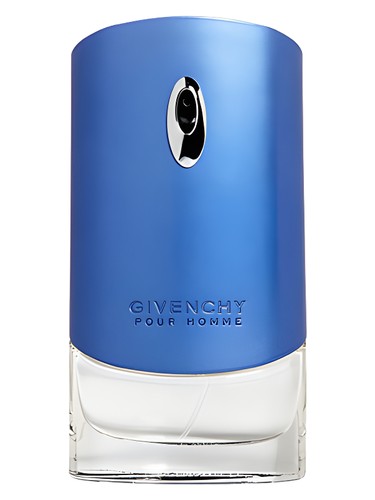
The first spray of Givenchy pour Homme Blue Label hits like a splash of cold tonic water on a warm afternoon—grapefruit and bergamot arrive with such crystalline clarity that you can almost taste the bitter-sweet pith. This isn''t the aggressive citrus blast of modern masculines; it''s refined, almost genteel in its approach. Within seconds, a peppery heat begins to simmer beneath that citrus veil, hinting at the spice-laden heart that waits below. There''s something distinctly early-2000s about this opening—a time when masculine fragrances still valued restraint over projection, conversation over announcement.
The Scent Profile
The grapefruit-bergamot duo that launches Blue Label speaks with remarkable precision. These aren''t candy-sweet citruses; they''re sharp, slightly bitter, and utterly refreshing. The bergamot adds a sophisticated Earl Grey tea quality that prevents the opening from becoming too juice-like or casual. This citrus foundation is formidable—registering at 94% in the fragrance''s accord profile—yet it never overwhelms.
As the initial brightness begins to soften, the heart reveals itself as the composition''s true personality. Lavender and pepper create an aromatic-spicy core that feels both classic and confident. The lavender isn''t the barbershop variety; it''s greener, more herbal, supported by artemisia''s bitter-green facets that add depth and complexity. Cardamom weaves through this middle phase, contributing a warm, almost creamy spiciness that bridges the gap between the fresh opening and what''s to come. This is where Blue Label earns its 100% fresh spicy accord rating—the interplay between aromatic lavender and multiple spice notes creates a dynamic, ever-shifting character that rewards close attention.
The base brings the composition into calmer, woodier territory. Cedar provides a pencil-shaving dryness, while vetiver adds its characteristic earthy-green smokiness. Olibanum (frankincense) offers subtle resinous warmth without tipping into heavy or overtly oriental territory. This woody foundation accounts for 61% of the fragrance''s character, grounding all that brightness and spice with mature sophistication. The dry-down is where Blue Label reveals its true nature: this is a fragrance for the modern gentleman who values subtlety over showmanship.
Character & Occasion
The data tells a clear story: this is a warm-weather specialist. With 94% summer suitability and 80% spring approval, Blue Label thrives when the temperature rises. That grapefruit-pepper-lavender combination makes perfect sense for warmer months, offering refreshment without the aquatic clichés that dominated the era. Fall sees a respectable 34% rating, suggesting it can transition into the early autumn months, though winter''s mere 16% confirms this isn''t a cold-weather companion.
The day versus night breakdown is even more decisive: 100% day, 25% night. Blue Label is unabashedly a daytime fragrance, best deployed for office wear, casual weekends, or any situation where you want to smell polished without dominating a room. This is the scent for the man who wants to be remembered for his presence, not his perfume.
At its core, Blue Label embodies a particular masculine archetype—the relaxed professional who can transition seamlessly from a business lunch to a weekend café without changing his scent. It''s sophisticated but never stuffy, fresh but never simplistic.
Community Verdict
Here''s where the picture becomes frustratingly incomplete. Despite a solid 3.92 out of 5 rating across 2,220 votes—suggesting genuine appreciation from those who''ve encountered it—the fragrance has largely escaped detailed community discussion. No specific pros, cons, or use-case recommendations emerged from recent fragrance community conversations. This absence itself tells a story: Blue Label has become something of a forgotten classic, overshadowed by the marketing juggernauts that followed it.
The respectable rating suggests that those who do discover it find much to appreciate, but the lack of vocal advocacy hints at a fragrance that perhaps played it too safe, offering quality and wearability without the distinctive character that inspires passionate devotion.
How It Comparisons
The listed similar fragrances read like a who''s who of masculine perfumery: Terre d''Hermès, YSL L''Homme, Sauvage, Bleu de Chanel, L''Eau d''Issey Pour Homme. These are titans with massive marketing budgets and near-universal recognition. Blue Label occupies similar territory—fresh, spicy, aromatic compositions built for versatility—but it predates several of these blockbusters. In some ways, it represents the bridge between the aquatic-dominated ''90s and the woody-aromatic masculines that would dominate the 2010s.
Against this competition, Blue Label offers a softer, more traditionally elegant approach. Where Sauvage shouts, Blue Label whispers. Where Bleu de Chanel commands attention, Blue Label suggests refinement. It''s arguably more similar to L''Eau d''Issey in its philosophy: quality and wearability over novelty.
The Bottom Line
Givenchy pour Homme Blue Label occupies a curious position—a well-crafted fragrance that delivers exactly what it promises without breaking new ground. That 3.92 rating across thousands of votes suggests consistent satisfaction rather than polarizing brilliance. This is a fragrance that does nothing wrong while perhaps doing nothing unforgettable.
For the right person, that''s exactly enough. If you''re seeking a reliable warm-weather scent with genuine sophistication, Blue Label deserves consideration, particularly if you can find it at a reasonable price. It''s ideal for those who find modern masculines too aggressive, too sweet, or too desperate for attention. This is perfumery as elegant understatement—a concept that may feel almost revolutionary in today''s louder landscape.
Should you blind-buy it? Given its relative obscurity and the availability of samples, probably not. But if you appreciate the citrus-lavender-vetiver axis and want an alternative to the omnipresent blue bottles that followed, Blue Label offers a road not taken—polished, professional, and pleasantly ephemeral.
AI-generated editorial review