First Impressions
The first spray of Givenchy Pour Homme delivers a citrus handshake that''s surprisingly sophisticated for its brisk opening. Mandarin orange and grapefruit burst forth with sunny confidence, immediately tempered by an unexpected violet softness and the herbal bite of coriander. This isn''t the aggressive aromatic blast that defined many masculine fragrances of the early 2000s. Instead, it announces itself with a measured restraint—woody, citrus-driven, and aromatic in equal measure—setting the stage for what devotees remember as a distinctly spicy oriental experience wrapped in deceptive freshness.
There''s an immediate intelligence to the composition, a balance that suggests Givenchy understood that masculine fragrance could be both vibrant and contemplative. The violet note, unusual in a men''s fragrance of this era, adds a powdery whisper that prevents the citrus from veering too sporty or generic.
The Scent Profile
The heart reveals where Givenchy Pour Homme truly distinguishes itself. Lavender extract mingles with vetiver to create an aromatic bridge between the bright opening and what''s to come. This isn''t the barbershop lavender of fougères past, but rather a more extracted, almost medicinal interpretation that leans earthy. The vetiver contributes a rootiness that grounds the composition, pulling it away from conventional fresh masculines and toward something more contemplative.
As the fragrance settles, cedar and labdanum form a base that explains why this scent lingers so persistently in the memories of those who wore it. The labdanum brings a subtle amber warmth and resinous sweetness, while cedar provides the woody backbone that dominates the accord profile. It''s this base that apparently carried the "incense notes" and spicy oriental character that community members recall with such fondness—though interestingly, no traditional incense notes appear in the official composition.
The evolution reveals a fragrance that refuses simple categorization. The accord breakdown tells the story: woody and citrus both register at maximum intensity, with aromatic elements close behind at 95%. Yet lavender sits at just 34%, and powdery and earthy accords trail at 27% each. This is a fragrance of carefully calibrated contrasts, where brightness and depth coexist without canceling each other out.
Character & Occasion
The seasonal data paints a clear picture: Givenchy Pour Homme thrives in spring (91%) and fall (77%), those transitional seasons where both freshness and warmth feel appropriate. Summer compatibility sits at a respectable 57%, suggesting the citrus opening can handle heat without becoming cloying, while winter''s 45% indicates the base doesn''t quite provide the heft needed for cold-weather dominance.
Day wear is where this fragrance truly excels—the 100% day rating reflects a composition designed for office corridors, outdoor meetings, and casual weekend wear. The 53% night rating suggests versatility rather than limitation; this isn''t a fragrance that disappears after dark, but neither does it command attention in dimly lit spaces the way a heavier oriental might.
This is fundamentally a fragrance for someone who wants sophistication without showmanship, presence without projection anxiety. The spicy oriental character provides depth for those who lean in, while the woody-citrus brightness keeps it approachable for colleagues and strangers alike.
Community Verdict
The community sentiment tells a bittersweet story, earning a middling 6.5 out of 10—not because the fragrance disappoints, but because evaluating it in 2024 presents nearly insurmountable challenges. The 45 community opinions reveal a dedicated but small group of nostalgic fans who remember a "quality spicy oriental with good performance" and "strong nostalgic appeal and memorable scent profile."
Performance enthusiasts appreciate that it delivered "good longevity for its era" with "decent projection and wearability." But the cons list reads like an archaeological expedition: "difficult to find in original formulation," "current market stock uncertain," and "very hard to locate or evaluate authenticity of vintage bottles."
Perhaps most telling, community members dismiss Fragrantica comparisons to Molecule 01 and Black Tea as completely off-base, suggesting that even documented reference points fail to capture what made this fragrance distinctive. Some note that Givenchy''s later blue bottle variant outperformed this original, adding another layer of complexity to its legacy.
The fragrance exists now primarily as memory—cherished by those who wore it, but largely absent from current discussions, making objective modern assessment nearly impossible.
How It Compares
The similar fragrances list reads like a who''s who of modern masculine classics: Terre d''Hermès, Bleu de Chanel, L''Eau d''Issey Pour Homme, and Versace''s various homme offerings. This positioning is revealing—Givenchy Pour Homme apparently operated in that refined, versatile, woody-fresh masculine space that would later be dominated by these better-known compositions.
With a solid 4.02 rating from 2,871 votes, it clearly resonated with a significant audience. Yet unlike its comparison peers, it hasn''t maintained market presence or cultural relevance. Whether this reflects reformulation issues, discontinuation, or simply being overshadowed by competitors with stronger marketing remains unclear.
The Bottom Line
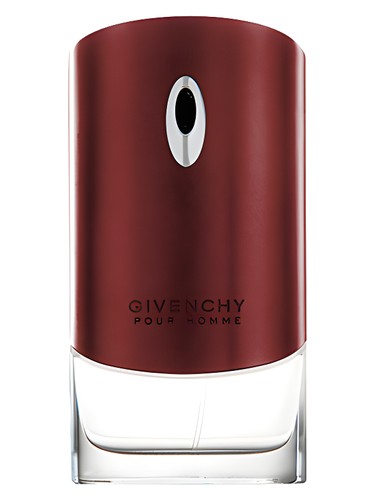
Givenchy Pour Homme occupies a peculiar position: well-regarded but unavailable, memorable but mostly forgotten. The 4.02 rating suggests genuine quality, and the passionate testimonials from nostalgic wearers indicate this was more than just another woody aromatic in burgundy packaging.
For collectors pursuing vintage early 2000s fragrances or those chasing a specific olfactory memory, tracking down an authentic bottle might prove worthwhile—if you can verify its provenance. For everyone else, the practical recommendation is to explore the similar fragrances listed above, particularly Terre d''Hermès if the woody-citrus-aromatic profile appeals, or the later Givenchy blue bottle variant if brand loyalty matters.
The tragedy of Givenchy Pour Homme isn''t that it was bad—it''s that it was good enough to be remembered but not available enough to be experienced. Sometimes in fragrance, timing and distribution matter as much as the liquid itself.
AI-generated editorial review