First Impressions
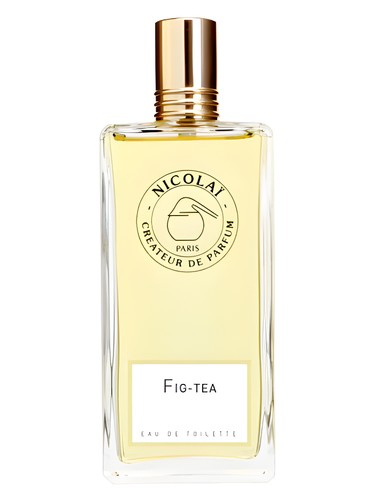
The first spray of Fig Tea reveals its intentions immediately: this is not the jammy, sun-warmed fig of Mediterranean daydreams, but something altogether more contemplative. A whisper of osmanthus mingles with bright orange oil, creating an opening that feels like stepping into a garden at dawn when the air still holds that crystalline quality. There''s a greenness here that speaks to fig leaves rather than the fruit itself—a distinction that sets this fragrance apart from its more indulgent cousins. The effect is refreshing without being sharp, feminine without relying on sweetness, and surprisingly complex for something that feels so effortlessly natural.
The Scent Profile
Fig Tea unfolds in layers that speak to perfumer Patricia de Nicolai''s classical training and her understanding of restraint. The opening marriage of osmanthus and orange oil provides an interesting duality—the osmanthus brings its characteristic apricot-leather facets while the orange contributes a translucent citrus brightness. Together, they create a fruity introduction that registers at 89% in the accord profile, yet never veers into candy-shop territory.
As the fragrance settles into its heart, jasmine emerges alongside the more unusual pairing of coriander and davana. This is where Fig Tea reveals its sophistication: the jasmine adds floral depth (contributing to that 100% floral accord dominance) without overwhelming, while coriander brings a soft spiciness that reads as aromatic rather than culinary. Davana, an ingredient less commonly encountered in Western perfumery, contributes a fruity-herbaceous quality that bridges the composition''s green and floral elements. The spice notes—registering at 46% soft spicy and 39% fresh spicy—never dominate but instead provide texture and movement to what could otherwise be a straightforward floral-fruity composition.
The base is where the "tea" aspect of the name finally materializes. Mate lends an earthy, herbal quality that evokes the ritual of tea-drinking more than the sharp tannins of black tea. Guaiac wood provides a subtle smokiness and structural support, while amber rounds everything out with a gentle warmth. The aromatic accord, clocking in at 77%, ensures that Fig Tea maintains its fresh, green character all the way through the drydown, never becoming heavy or cloying.
Character & Occasion
The data tells a clear story about Fig Tea''s natural habitat: this is overwhelmingly a warm-weather fragrance, scoring 100% for summer and 92% for spring. Those numbers make perfect sense when you experience the composition''s fresh, airy quality. This isn''t a fragrance fighting for attention in cold weather; it''s designed to complement sun-warmed skin and light fabrics.
The day-versus-night split is equally definitive—94% day wear versus a mere 12% night. Fig Tea is a quintessential daytime companion, the kind of scent that feels appropriate from a morning meeting to an afternoon garden party. Its 35% fresh accord and predominantly green character make it particularly well-suited to professional environments where you want to smell polished and interesting without dominating a conference room.
This is a feminine fragrance that embraces a certain intellectualism in its approach to the fig theme. It''s for someone who appreciates subtlety over statement-making, who prefers the idea of a fig tree in a Japanese garden rather than a market stall groaning with ripe fruit.
Community Verdict
The r/fragrance community has spoken, and their verdict is decidedly positive, awarding Fig Tea a respectable 7.5 out of 10 sentiment score. Based on 22 opinions, users consistently praise its fresh, green fig leaf character balanced with just enough fruitiness to remain engaging. The longevity and performance throughout the day earn particular commendation—a practical consideration that shouldn''t be underestimated in this concentration category.
The unique combination of green tea and fig notes stands out as a distinguishing feature that sets it apart in an increasingly crowded category. However, the community doesn''t shy away from identifying its limitations. Some users note that it lacks the gourmand richness and boozy depth found in alternatives like Debaser. Others find it less impactful than creamier fig fragrances, suggesting that those seeking a more indulgent interpretation might look elsewhere.
Perhaps most tellingly, the limited discussion volume suggests Fig Tea may be overshadowed by more aggressively marketed or talked-about options in the fig category. It''s a victim of its own refinement, perhaps—too understated to generate the passionate following of showier competitors.
How It Compares
The list of similar fragrances reads like a who''s who of elegant, spring-appropriate scents: Hermès''s Un Jardin Sur Le Nil, Frederic Malle''s En Passant, Byredo''s La Tulipe and Bal d''Afrique, and Amouage''s Sunshine Woman. These comparisons position Fig Tea firmly in the realm of sophisticated, garden-inspired compositions rather than tropical fruit baskets.
Within the fig category specifically, Fig Tea occupies interesting territory. While fragrances like Philosykos and Debaser have achieved cult status with their more emphatic interpretations of the note, Fig Tea takes a subtler approach. It''s less about capturing the sensory overload of crushing a fig in your hand and more about sitting beneath the tree with a cup of tea, contemplating the leaves overhead.
The Bottom Line
With a rating of 3.87 out of 5 based on 1,582 votes, Fig Tea sits comfortably in "very good" territory without ascending to masterpiece status. That positioning feels accurate: this is a well-crafted, thoroughly pleasant fragrance that excels at what it sets out to do, even if it doesn''t attempt to revolutionize the genre.
For those seeking a fig fragrance for professional settings or warm-weather wear, particularly if you prefer green and fresh interpretations over creamy or gourmand ones, Fig Tea deserves serious consideration. Patricia de Nicolai''s house offers excellent value compared to niche brands charging double for comparable quality, making this an accessible entry point to sophisticated perfumery.
Should you try it? If you''ve found other fig fragrances too sweet, too heavy, or too obvious, absolutely. Fig Tea rewards those who appreciate restraint and nuance. Just don''t expect it to announce your arrival from across the room—this is a fragrance for close encounters and personal pleasure, a scented meditation rather than a proclamation.
AI-generated editorial review