First Impressions
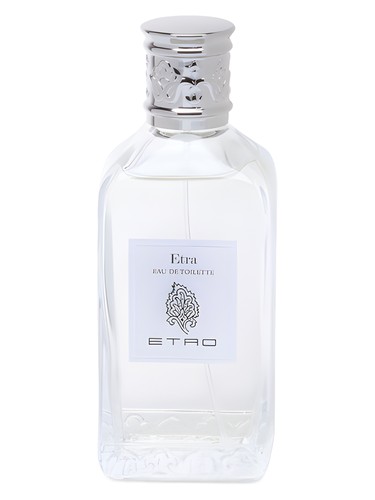
The first spray of Etra is an immediate transport—not to a floral garden or citrus grove, but somewhere far more intriguing. Cardamom announces itself with confident warmth, joined by the creamy exoticism of Brazilian rosewood and the green bite of coriander. This isn''t the perfume equivalent of a gentle introduction; it''s a firm handshake from someone who knows exactly who they are. Released in 1999, Etra belongs to an era when feminine fragrances weren''t afraid to claim space, and that boldness remains palpable a quarter-century later. The opening is decidedly spicy—100% warm spicy according to its dominant accord—and it makes no apologies for its intensity.
The Scent Profile
Etra''s composition unfolds like a carefully curated spice merchant''s showcase, each layer revealing new facets while maintaining remarkable coherence. The cardamom-coriander-rosewood trinity in the opening creates an aromatic haze that''s both warming and slightly green, the coriander adding an herbal complexity that prevents the cardamom from becoming too sweet or one-dimensional.
As the top notes settle, Etra''s heart reveals its true character: a fascinating collision of spice and wood that defies conventional feminine fragrance structure. Paprika—an unusual note in perfumery—adds a subtle, smoky heat that distinguishes Etra from more predictable oriental offerings. Sandalwood and cedar form a creamy-dry woody foundation (76% woody accord) that anchors the composition, while geranium provides a slightly minty, rosy-green quality. Rose and jasmine appear, but not as soloists; they''re woven into the woody-spicy tapestry, adding floral softness without dominating the narrative. This restraint allows the more unconventional elements to shine.
The base is where Etra softens into something surprisingly approachable. Vanilla and musk create a powdery (34% powdery accord), skin-like finish that transforms the earlier intensity into something more intimate. The vanilla isn''t gourmand or dessert-like; instead, it reads as balsamic warmth (28% balsamic accord), rounding out the spices and woods with gentle sweetness. The musk adds that essential second-skin quality that makes Etra feel less like a fragrance you''re wearing and more like an expression of yourself.
Character & Occasion
Etra occupies an interesting position in the fragrance wardrobe: it''s rated for all seasons, and that versatility speaks to its balanced composition. The woody-spicy character has enough warmth for cooler months but sufficient dryness—courtesy of those cedar and sandalwood notes—to avoid feeling heavy in transitional weather. This is not a summer beach fragrance, certainly, but spring evenings and autumn afternoons provide ideal backdrops for Etra''s aromatic complexity.
The lack of strong day or night preference in the data suggests Etra adapts to context rather than dictating it. The opening might feel bold for a conservative office environment, but it settles into something more subtle within an hour. This makes it particularly suited to those who want a signature scent that can traverse different settings—brunch with friends, an afternoon meeting, dinner out—without feeling mismatched.
Who is Etra for? Someone who finds traditional florals boring and vanilla-heavy orientals cloying. Someone comfortable with fragrances that announce presence without shouting. While marketed as feminine, Etra''s woody-aromatic profile would sit comfortably on anyone drawn to spice-forward compositions with substance.
Community Verdict
With a rating of 4.04 out of 5 from 1,498 votes, Etra has earned solid approval from a substantial community. This isn''t a niche fragrance with fifty devotees; it''s been evaluated by nearly 1,500 people, and the consensus is clear: this is a well-crafted, distinctive scent worth exploring. The rating suggests broad appeal without being universally loved—which makes sense given its bold spicy character. Those who appreciate Etra seem to genuinely love it, while those seeking something softer or more conventionally pretty might find it challenging.
The vote count also indicates staying power. For a fragrance launched in 1999, maintaining an engaged community and a rating above 4.0 demonstrates that Etra isn''t just a period piece; it remains relevant and wearable decades later.
How It Compares
The list of similar fragrances reads like a who''s-who of woody oriental classics: Kenzo Jungle L''Elephant, Dior''s Dolce Vita, Serge Lutens'' Feminité du Bois, Chanel Coco, and Tom Ford''s Black Orchid. This company reveals Etra''s true character—it belongs to that rarefied category of fragrances that reimagined feminine perfumery through a woody, spicy lens rather than a floral one.
Where Etra distinguishes itself is accessibility. It shares DNA with Feminité du Bois but with less austerity, with Coco but less aldehydic powder, with Black Orchid but less gothic intensity. Etra occupies a sweet spot: interesting enough for those with developed tastes, but approachable enough for someone ready to graduate from department store staples.
The Bottom Line
Etra deserves its 4.04 rating. It''s a fragrance that delivers exactly what it promises—warmth, depth, and distinctive spicy-woody character—without gimmicks or overwrought complexity. The composition feels timeless rather than dated, a testament to Etro''s restraint and the quality of ingredients evident in that creamy sandalwood and genuine-smelling cardamom.
Should you try it? If you''ve ever felt underwhelmed by safe, focus-grouped feminines, absolutely. If you''re drawn to any of those similar fragrances but find them too expensive or intense, Etra offers an excellent alternative. If you''re curious about spice-forward orientals but intimidated by full-throttle offerings, Etra''s balance makes it an ideal entry point. This is a fragrance for someone ready to smell interesting rather than merely pleasant—and that''s always worth exploring.
AI-generated editorial review