First Impressions
The first spray of Comme des Garçons Series 2 Red: Sequoia feels like stepping into a cathedral of towering trees. There''s an immediate sense of verticality, of looking upward into something both ancient and alive. This isn''t the sweet, Christmas-card interpretation of forest scents. Instead, it captures something more essential—the dry, resinous quality of bark warmed by filtered sunlight, the almost mineral quality of wood aged over centuries. The opening is quiet but completely assured, like the fragrance knows exactly what it wants to say and refuses to shout.
Within moments, warmth begins to emerge. Not the cloying sweetness that plagues lesser woody fragrances, but a spiced, almost rum-like richness that suggests sap moving slowly through heartwood. There''s a whisper of something floral—pale and ghostly against all that timber—and the faintest suggestion of leather and oud that adds an unexpected complexity. This is Rei Kawakubo''s brand translating its avant-garde fashion sensibility into olfactory form: conceptual yet wearable, austere yet compelling.
The Scent Profile
Without specific note breakdowns, Sequoia reveals itself through its accord architecture—and what architecture it is. The woody accord dominates completely at 100%, creating a through-line that never wavers from opening to drydown. But this isn''t monolithic; it''s a study in how many dimensions wood can possess.
The warm spicy element (30%) threads through the composition like veins of amber in petrified wood. It''s subtle enough that you might not consciously identify it as "spice," but it provides essential heat and prevents the woody accord from becoming austere or cold. There''s a rum-like quality (29%) that reads as both boozy and slightly sweet—imagine the inside of an old barrel, where wood and spirit have married over years of contact.
The white floral component (24%) is perhaps the composition''s most surprising element. Rather than creating contrast, it seems to highlight the softer, almost creamy aspects of certain woods. Think of magnolia petals fallen on forest floor, their perfume mingling with earth and bark. The oud presence (23%) and leather notes (21%) work in tandem to add depth and a certain animalic quality that keeps Sequoia from becoming too serene or meditative. These elements ground the fragrance in something primal, reminding you that forests are living ecosystems, not museum installations.
The evolution is more about deepening than transformation. This fragrance doesn''t perform dramatic costume changes; instead, it slowly reveals more of itself, like your eyes adjusting to forest dimness and noticing details you initially missed.
Character & Occasion
The seasonal data tells a clear story: this is a fall fragrance first and foremost (100%), with strong spring credentials (77%) and respectable winter showings (56%). Summer (35%) is possible but requires a light hand. These numbers make perfect sense—Sequoia thrives in transitional weather, when the air has a bite but the sun still provides warmth. It''s ideal for those October days when leaves are turning and everything smells of earth and change.
The day/night split (97% day, 51% night) positions this as primarily a daytime scent, though it''s sophisticated enough for evening wear if the occasion suits. This is a fragrance for art gallery openings, autumn walks, creative work sessions, quiet dinners with interesting conversation. It''s too contemplative for loud nightclubs, too refined for purely casual contexts.
Despite its "feminine" classification, Sequoia reads as thoroughly unisex—perhaps even leaning masculine by contemporary standards. The woody dominance and lack of obvious sweetness make it accessible to anyone drawn to minimalist, naturalistic compositions.
Community Verdict
With a rating of 4.26 out of 5 from 415 votes, Sequoia has earned serious respect. This is particularly impressive for a fragrance from 2001 that remains relevant over two decades later. The rating suggests a perfume that rewards patient exploration—this isn''t love at first spray for everyone, but those who connect with its vision become devoted advocates.
The substantial vote count indicates this isn''t some obscure curiosity; it''s a recognized reference point within the woody category. That it maintains such a high rating with hundreds of opinions speaks to its quality and consistency.
How It Compares
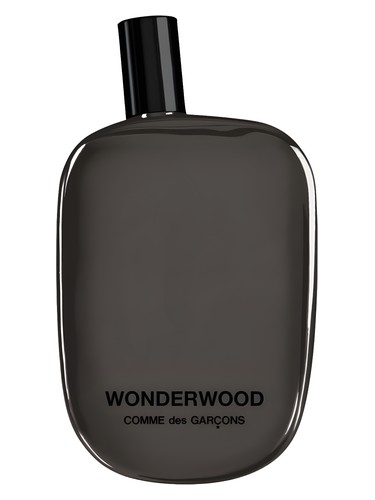
The listed similar fragrances reveal Sequoia''s position within a constellation of cerebral, naturalistic woody compositions. Its siblings in the Comme des Garçons line—Kyoto, Wonderwood, and Zagorsk—share its minimalist philosophy but explore different facets of the woody-incense spectrum. Timbuktu by L''Artisan Parfumeur offers a related meditation on trees and resins but with more pronounced smokiness. Serge Lutens'' Fille en Aiguilles shares the coniferous inspiration but skews sweeter with more emphasis on pine and resin.
Where Sequoia distinguishes itself is in its restraint. It''s perhaps the most purely "woody" of these comparisons, the most focused on the essence of tree rather than what surrounds trees or what we associate with forests.
The Bottom Line
Comme des Garçons Series 2 Red: Sequoia is not a fragrance for those seeking compliments or projection. It''s for people who appreciate understatement, who find beauty in negative space, who understand that "simple" and "easy" are not synonyms. At 4.26/5, it''s clearly succeeding at its vision—this is a high-quality, well-executed composition that does exactly what it intends.
Given its age (2001) and continued availability, it likely offers reasonable value, though Comme des Garçons pricing varies by market. The longevity of woody fragrances typically favors value-conscious buyers; you''ll get your money''s worth in terms of wear time.
Try Sequoia if you love minimalist woody scents, if you''re drawn to the more conceptual end of perfumery, or if you''re simply tired of fragrances that try too hard. This is perfume as meditation, as architecture, as quiet confidence. It won''t announce your arrival, but it will make the right people lean closer.
AI-generated editorial review