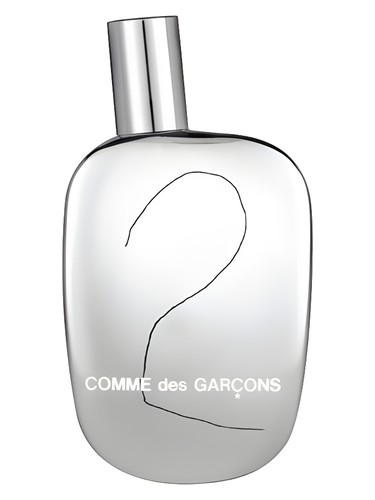
First Impressions
The first spray of Comme des Garcons 2 announces itself like a sharp intake of breath—aldehydes fizzing upward with an almost metallic brightness, followed immediately by something utterly unexpected: ink. Not the sweet vanilla of a stationery shop, but the astringent, mineral quality of fresh fountain pen ink on paper. This is punctuated by the green, vegetal snap of angelica and the subtle bitterness of mate, creating an opening that feels less like traditional perfumery and more like an olfactory art installation. There''s tea here too, adding a certain restraint to what could otherwise veer into aggressive territory. The mandarin orange provides just enough citrus to keep things from becoming too cerebral, too removed from the body. Within moments, you understand why this 1999 release was considered revolutionary—and why it still divides opinion today.
The Scent Profile
The aromatic accord that dominates Comme des Garcons 2 (registered at a full 100% intensity) stems from this unconventional opening salvo. The aldehydes—typically associated with classic femininity, with Chanel No. 5 and vintage glamour—are here repurposed as futuristic signposts, creating a soapy-clean shimmer that feels simultaneously retro and avant-garde. As the tea and mate settle, the composition''s true ambition reveals itself.
The heart is where this fragrance earns its complexity credentials. Magnolia blooms at the center, but it''s surrounded by an arsenal of spices that prevent any conventional floral sweetness. Nutmeg, coriander, caraway, and cinnamon create a warm, almost savory halo around the flower, while West Indian bay adds a subtle aromatic lift. And then there''s the ink note—persistent, strange, utterly distinctive. It''s as though someone decided to sketch a magnolia in charcoal rather than paint it in watercolors. This middle phase showcases the woody (70%) and fresh spicy (57%) accords working in tandem, creating tension and intrigue.
The base brings gravitas. Incense smoke curls through vetiver and patchouli, grounded by cedar''s pencil-shaving dryness and the resinous warmth of amber and labdanum. The amber accord (63%) and woody elements create a foundation that''s substantial without being heavy, complex without being cluttered. This is where the fragrance settles into something more wearable, more approachable—though "approachable" remains relative when discussing Comme des Garcons.
Character & Occasion
The data tells a clear story: this is a transitional season fragrance par excellence. With fall at 93% and spring at 89%, Comme des Garcons 2 thrives in the liminal spaces between weather extremes. It makes perfect sense—the crisp aldehydes and fresh spicy elements shine when there''s a bit of coolness in the air, while the woody-amber base provides just enough warmth to anchor the composition when temperatures drop. Winter comes in at 63%, making it viable for cooler months, while summer trails at 51%—wearable if you''re bold, but perhaps not the fragrance''s natural habitat.
The day/night split (100% day versus 57% night) reveals this as primarily a daytime scent, which aligns with its aromatic and fresh character. This isn''t a seductive evening fragrance; it''s intellectual, exploratory, meant for daylight hours when its complexity can be fully appreciated. Marketed as feminine, it has long attracted wearers across the gender spectrum who appreciate its refusal to conform to traditional floral femininity.
Community Verdict
The r/fragrance community''s mixed sentiment (6.5/10 based on 43 opinions) tells a story of disappointed nostalgia. The praise is specific and enthusiastic: that distinctive aldehydic opening with its prominent ink note, the unique futuristic floral character, the genuinely interesting and complex composition with impressive note diversity. These elements earned Comme des Garcons 2 its reputation as a niche landmark.
But the criticism cuts deep. The consensus points to reformulation as the primary villain—vintage batches apparently delivered a more impactful, edgier experience that current formulations simply can''t match. Modern wearers report it turning powdery and soapy on skin, lacking the projection and presence of earlier versions. This reformulation narrative has created a two-tiered appreciation: those lucky enough to own vintage bottles speak reverently of what was, while those sampling contemporary juice wonder what the fuss was about.
The community recommends this primarily for niche enthusiasts and those specifically seeking out original formulations, acknowledging that hunting down an older batch might be necessary to experience the fragrance as intended.
How It Compares
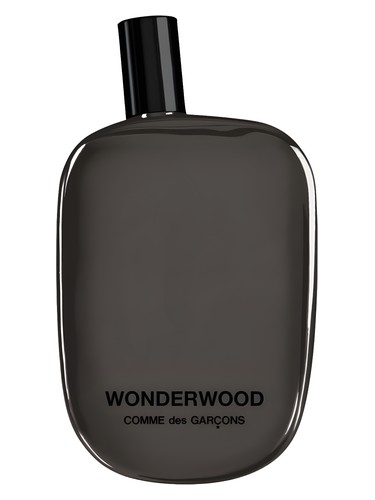
The similar fragrances list reads like a who''s who of cerebral, woody, aromatic compositions. Comme des Garcons 2 Man offers the most direct comparison—essentially a masculine interpretation of the same DNA. Terre d''Hermès and Encre Noire share the woody-vetiver sophistication, while Wonderwood explores similar aromatic-cedar territory within the CDG universe. Bal d''Afrique, with its vetiver-amber complexity, rounds out the field. What sets CDG 2 apart is that ink note and the specifically aldehydic femininity—or rather, the subversion of aldehydic femininity—that none of these comparisons quite replicate.
The Bottom Line
With a rating of 4.18/5 from 4,597 votes, Comme des Garcons 2 maintains an impressive statistical presence despite the community''s reformulation concerns. This discrepancy suggests a fragrance with undeniable appeal when it works, even if consistency has become an issue.
Should you try it? If you''re drawn to conceptual fragrances that challenge conventions, absolutely—but temper your expectations if you''re sampling a recent bottle. The ink note alone makes this worth experiencing, and on the right skin chemistry, the magnolia-spice-incense progression remains genuinely fascinating. For those willing to hunt vintage bottles or who simply want to understand an important chapter in late-90s niche perfumery, this is essential smelling. Just know that you might be experiencing an echo of what was, rather than the full-throated original statement.
AI-generated editorial review