First Impressions
The first spray of Boucheron is an experience in audacity. A burst of citrus—tangerine, bitter orange, bergamot—collides with the unexpected warmth of marigold and the faint medicinal whisper of basil and asafoetida. It''s not a gentle introduction; it''s a grand entrance, the olfactory equivalent of stepping into a gilded Parisian salon where chandeliers cast amber light across velvet furniture. This is 1988 bottled, a time when perfumes announced your presence rather than whispered it. Within moments, the aromatic citrus brightness begins its inevitable descent into something richer, denser, almost intoxicating in its complexity. If you''re accustomed to the sheer, skin-like fragrances that dominate contemporary counters, Boucheron will feel like stepping through a looking glass into another era entirely.
The Scent Profile
The opening act showcases an impressive ten-note citrus and aromatic symphony. Apricot lends a subtle fruity sweetness that tempers the sharp edges of lemon and bitter orange, while cassia adds a cinnamon-like spice that hints at the oriental richness to come. It''s a bright, almost dizzying introduction that refuses to settle into predictability.
As the top notes recede—and they do so with surprising grace for such a bold composition—the heart reveals why Boucheron scores 100% on the white floral accord. This is where the fragrance truly stakes its claim to grandeur. Tuberose takes center stage, creamy and narcotic, flanked by Madagascar ylang-ylang''s banana-tinged sweetness and the indolic depth of jasmine. Orange blossom echoes the citrus opening while narcissus and lily-of-the-valley add a green, slightly powdery dimension. Orris root contributes an elegant, lipstick-like quality, while cedar and lydia broom introduce subtle woody and honeyed nuances. It''s a floral bouquet that borders on excessive—intentionally so. This isn''t minimalism; it''s a baroque painting rendered in scent.
The base is where Boucheron''s oriental soul emerges fully formed. Amber, civet, and musk create a warm, animalic foundation that gives the florals something substantial to rest upon. Indian vanilla and tonka bean add sweetness without tipping into dessert territory, while benzoin provides a resinous, balsamic quality. Sandalwood offers creamy woodiness, and oakmoss—that hallmark of vintage perfumery—adds a mossy, slightly bitter complexity that keeps the sweetness in check. The result is a 78% amber accord that envelops the wearer in a golden, sensual haze that can last for hours.
Character & Occasion
The data tells a clear story: Boucheron is a cold-weather creature. With winter and fall both scoring above 94%, this is definitively not a fragrance for humid summer days. Spring manages a modest 44%, while summer languishes at 29%—and honestly, that 29% likely represents either air-conditioned environments or particularly bold souls. The richness, the density, the sheer weight of this composition demands cooler temperatures to truly shine.
The day/night split is equally revealing: 68% day versus 100% night. While Boucheron can certainly be worn during daylight hours—particularly in professional settings where you want to project authority—it reaches its full potential after dark. This is a fragrance for dinners that stretch past midnight, for opera boxes and anniversary celebrations, for moments when subtlety would be a disappointment.
Who should wear it? The community consensus points toward mature fragrance lovers and vintage enthusiasts, but there''s an argument to be made for confident younger wearers who appreciate olfactory complexity. This isn''t a fragrance for the timid or for those seeking universal approval. It''s for someone who understands that "too much" is sometimes exactly right.
Community Verdict
With a solid 7.5/10 sentiment score from 50 Reddit opinions, Boucheron earns genuine respect even from those who don''t personally wear it. The community consistently praises its craftsmanship—this is recognized as a quality composition from an era when perfumery prioritized artistry over mass appeal. The affordability factor receives particular appreciation; Boucheron delivers luxury-level construction without the corresponding price tag.
The elephant in the room—or perhaps the tuberose in the bottle—is the "grandma perfume" perception. This divisive label appears repeatedly in community discussions, and it''s the primary barrier preventing wider contemporary appreciation. Some wear it as a badge of honor; others find the vintage aesthetic genuinely off-putting. The community is refreshingly honest: if you prefer modern, linear fragrances with minimalist construction, Boucheron will likely feel dated and overwhelming.
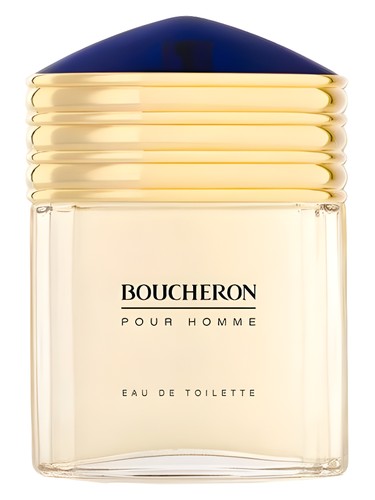
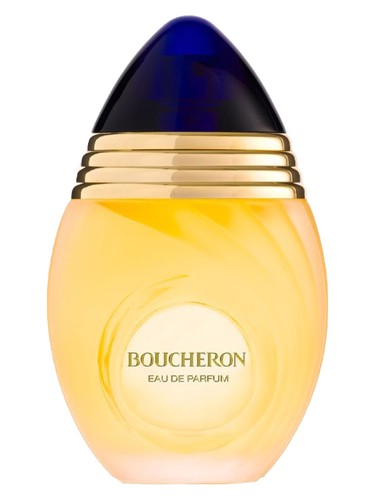
Yet fans counter that dismissing something as "grandma perfume" reveals more about ageist beauty standards than about the fragrance itself. The bottle design, at least, receives universal acclaim—a ring-shaped cap that references the brand''s jewelry heritage.
How It Compares
Positioned alongside Amarige by Givenchy and Poeme by Lancôme, Boucheron occupies the heady territory of 80s and 90s floral orientals that refused to apologize for their presence. It shares DNA with Obsession by Calvin Klein in its unabashed sensuality and finds common ground with Coco Eau de Parfum in its baroque complexity. Interestingly, its similarity to Coco Mademoiselle suggests that the bones of this composition influenced more contemporary interpretations—though Boucheron remains far bolder than its spiritual descendants.
In its category, Boucheron stands as a more affordable entry point than many prestige competitors, offering comparable quality at a fraction of the cost. It''s not trying to reinvent the floral oriental wheel; it''s simply executing the template with exceptional skill.
The Bottom Line
A 4.11/5 rating from nearly 3,000 votes represents solid, if not ecstatic, approval. This isn''t a cult favorite with a small but devoted following, nor is it a universally beloved crowd-pleaser. It''s a well-made fragrance that knows exactly what it is and executes that vision with confidence.
The value proposition is compelling: you''re getting genuine quality at accessible prices. But value alone doesn''t answer the question of whether you should buy it. That depends entirely on your relationship with vintage aesthetics and your tolerance for polarizing reactions. If you''re still exploring modern releases, Boucheron might feel like a jarring detour. If you''re actively seeking alternatives to contemporary minimalism, it''s absolutely worth sampling.
Should you try it? Yes, if only to experience what mainstream perfumery once aspired to—before focus groups smoothed away the edges and "compliment-getting" became the primary goal. Whether you''ll love it enough to wear it regularly is another question entirely, one only your own nose can answer.
AI-generated editorial review