First Impressions
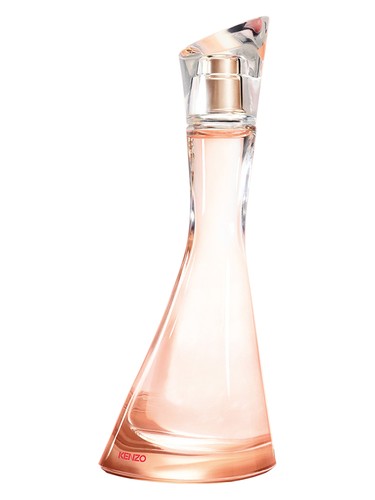
The first spray of Jeu d''Amour Eau de Toilette reveals Kenzo''s intent immediately: this is tuberose for the uninitiated. Where classic white florals can overwhelm with their heady, narcotic presence, this 2015 feminine offering opens with a disarming juiciness. Pear—crisp, translucent, almost dewdrop-fresh—softens the edges before you even encounter the floral heart that defines this fragrance. Lemon blossom adds a whisper of citrus without sharpness, like sunlight filtering through white petals. It''s an introduction that feels both contemporary and approachable, a knowing wink before the real game of love begins.
The Scent Profile
The opening act of pear and lemon blossom doesn''t linger long, but it establishes a crucial sweetness that carries through the entire composition. As these fruity top notes recede—perhaps within fifteen to twenty minutes—the heart emerges with conviction. Here, tuberose takes center stage, accounting for 79% of the fragrance''s character according to accord analysis, yet it''s been carefully modulated. This isn''t the buttery, indolic tuberose of vintage perfumery; it''s been lightened, almost sheered out, with freesia providing airy support.
The freesia-tuberose combination creates an interesting tension. Freesia brings its characteristic soapy-clean quality and subtle peppery edge, preventing the tuberose from becoming too lush or overripe. Together, they form a white floral wall that dominates the scent—the accord registers at 100% white floral, with general floral characteristics at 87%. It''s unapologetically feminine in the traditional sense, reminiscent of boutique cosmetics counters and well-tended spring gardens.
The base notes of white musk and cedar provide the foundation, though they''re more functional than transformative. The cedar adds just enough woody structure to prevent the composition from floating away entirely, while white musk—contributing 36% to the overall accord profile—wraps everything in a soft, skin-like finish. This isn''t the kind of base that announces itself dramatically; rather, it''s a gentle landing that maintains the fragrance''s sweet (41%) and musky character through the dry-down. The overall effect is polished rather than provocative, pleasant rather than challenging.
Character & Occasion
Jeu d''Amour Eau de Toilette proves remarkably versatile in terms of timing and temperature, rated as suitable for all seasons. This makes practical sense—the composition carefully balances its floral intensity with enough fruity brightness and musky softness to avoid seasonal restrictions. In summer, the pear and freesia notes feel refreshing rather than heavy; in winter, the tuberose and musk provide warmth without becoming cloying.
Interestingly, the community data shows no strong preference for day versus night wear, suggesting this fragrance occupies a middle ground. It lacks the powerhouse projection for dramatic evening occasions, but it''s more dressed-up than a simple daytime citrus. Think lunch appointments, office environments where you want to smell polished, weekend brunches, or afternoon shopping trips. The Eau de Toilette concentration ensures moderate sillage—enough to be noticed in conversation distance, but unlikely to announce your presence across a room.
This is a fragrance for someone who appreciates florals but may find classic white flower perfumes intimidating. It''s approachable enough for younger wearers exploring beyond fruity-sweet fragrances, yet sophisticated enough that it doesn''t read as juvenile.
Community Verdict
With a rating of 3.87 out of 5 stars from 373 votes, Jeu d''Amour Eau de Toilette sits comfortably in "very good" territory without reaching "masterpiece" status. This rating feels accurate to the fragrance''s ambitions—it''s a well-executed, wearable white floral that doesn''t necessarily break new ground. The solid vote count suggests reasonable market presence, and the rating indicates that most wearers find it pleasant and satisfying, if not revolutionary.
The near-four-star rating also suggests consistency; this isn''t a polarizing fragrance that some adore and others despise. It delivers what it promises: an accessible, fruity-floral experience with tuberose at its heart.
How It Compares
The list of similar fragrances reads like a who''s-who of modern feminine classics: J''adore by Dior, Chance Eau Tendre by Chanel, Pure Poison by Dior, and Narciso Rodriguez For Her. Interestingly, Jeu d''Amour (the original) also appears, suggesting this Eau de Toilette version shares DNA with its flanker but offers a distinct interpretation.
Where J''adore leans more toward ylang-ylang and a golden, champagne-like quality, Jeu d''Amour Eau de Toilette emphasizes tuberose with that distinctive pear opening. Compared to Chance Eau Tendre''s grapefruit-forward freshness, this Kenzo offering is decidedly more floral-centric. It''s perhaps closest in spirit to Pure Poison''s white floral approach, though less ambery and oriental in its base.
Within this company, Jeu d''Amour Eau de Toilette positions itself as the more fruit-kissed, perhaps slightly younger option—less expensive than the Dior or Chanel alternatives, but playing in a similar aesthetic sandbox.
The Bottom Line
Jeu d''Amour Eau de Toilette is a competent, likeable white floral that knows its audience. At 3.87 stars, it''s a fragrance that delivers satisfaction without demanding devotion. It''s ideal for someone seeking an everyday tuberose option that won''t overwhelm colleagues or dates, or for those testing the white floral waters before diving into more intense offerings.
The all-season versatility and moderate projection make it a practical addition to any wardrobe, particularly if your collection skews toward bolder orientals or fresher citrus scents and you''re looking for something in between. While it may not inspire passionate love affairs—as the playful "Jeu d''Amour" name might suggest—it offers a pleasant, reliable romance with the safest of white florals. For the price point typical of Kenzo fragrances, it represents fair value and a wearable interpretation of a classic accord.
AI-generated editorial review