First Impressions
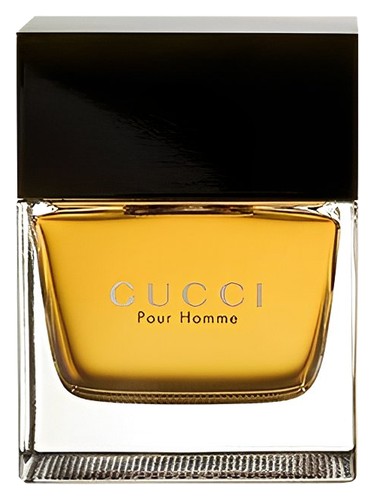
The first spray of Gucci pour Homme transports you to a different era of masculine fragrance—one where complexity wasn''t sacrificed for mass appeal, and perfumers weren''t afraid to layer texture upon texture. The opening is an herbaceous whirlwind: ginger''s warmth collides with artemisia''s bitter green edge, while papyrus adds an unexpected papery dryness that immediately sets this apart from conventional men''s fragrances. Bergamot and lemon provide citrus brightness, but they''re quickly grounded by lavender and basil—a combination that feels simultaneously barbershop-classic and daringly unconventional. There''s an intellectual quality to this opening, a refusal to simply please. It demands your attention.
The Scent Profile
As the aromatic opening settles, Gucci pour Homme reveals its true ambition: this is a woody composition of remarkable density. Cedar and sandalwood form the structural backbone, but they''re far from simple. Pink pepper adds subtle spice and texture, while orris root contributes a powdery, almost cosmetic elegance that softens the woods without feminizing them. Patchouli brings earthiness, and here''s where things get interesting—carnation and jasmine peek through, adding an almost old-world gallantry to the heart. These florals aren''t loud; they''re woven into the woodiness like silk threads through wool.
The base is where Gucci pour Homme earns its reputation as a collector''s obsession. Incense smoke billows through leather and amber, creating that distinctive smoky accord (46% prominence) that community members consistently cite as the fragrance''s signature. Labdanum adds resinous depth, while vetiver provides earthy rootedness. Vanilla and tonka bean bring just enough sweetness to balance the composition without tipping it into gourmand territory. Oakmoss—that increasingly rare ingredient—gives the base a vintage quality, a nod to the great woody chypres of decades past. The musk and sage in the foundation create a skin-like warmth that allows this complex construction to settle into something surprisingly intimate.
The dominant woody accord (100%) is supported magnificently by amber (76%), creating a fragrance that feels both structured and enveloping. This isn''t transparent woodiness; it''s dense, resinous, almost tactile in its presence.
Character & Occasion
With an impressive 4.44 out of 5-star rating from 3,635 votes, Gucci pour Homme has proven itself adaptable across all seasons. The woody-amber backbone provides enough warmth for winter, while the aromatic top notes keep it from feeling suffocating in warmer months. The data shows equal suitability for day and night wear—a true chameleon that shifts character depending on context.
This is a fragrance for someone who appreciates olfactory sophistication over trend-chasing. The complexity here rewards close attention; it''s not designed to project across a room but rather to create an aura of refinement around the wearer. It suits professional settings where you want to be remembered without being obvious, evening occasions where depth matters more than flash, and certainly those moments when you''re dressing to impress yourself rather than others.
The smoky, slightly austere character skews mature—not in age, but in sensibility. This isn''t a safe crowd-pleaser, and that''s precisely its appeal.
Community Verdict
The r/fragrance community''s sentiment is overwhelmingly positive (8.2 out of 10), though their appreciation is tempered by pragmatic concerns. Based on 48 opinions, the consensus is clear: this is an "iconic, timeless scent with strong nostalgic appeal" featuring "complex and versatile fragrance suitable for various occasions." It''s become "highly collectible with loyal fanbase willing to pay premium prices."
But here''s the brutal reality: discontinuation has made Gucci pour Homme achingly difficult to acquire, with bottles commanding $550 or more on the secondary market. Community members acknowledge that "sentimental value often exceeds actual fragrance quality for collectors"—a frank admission that scarcity and nostalgia have inflated both price and reputation. The fragrance itself is excellent, but is it $550 excellent? That''s a personal calculation.
The community recommends it primarily for "nostalgic wear and special occasions" and as a "signature scent for collectors and enthusiasts" suitable for "year-round versatile wear." Alternative recommendations include Papyrus Oud by Parle Moi de Parfum and Bentley for Men Absolute for those seeking similar profiles without the collector''s premium.
How It Compares
Gucci pour Homme sits among distinguished company in its comparison set: Chanel''s Antaeus and Egoiste, Bleu de Chanel, Lalique''s Encre Noire, and its own predecessor, Envy for Men. What it shares with these fragrances is an unapologetic commitment to woody sophistication. Where it differs is in that distinctive papyrus note and the particular way incense smoke interacts with leather in the base—a combination that gives it a slightly more exotic, less traditionally European character than its Chanel cousins.
The Bottom Line
Gucci pour Homme (2003) is genuinely excellent—a woody-amber composition that deserves its 4.44 rating and the devotion it inspires. The complexity is real, the evolution is beautiful, and the nostalgic appeal is earned through actual olfactory merit, not just marketing mythology.
But let''s be honest: at $550+ per bottle, this has transcended normal fragrance economics and entered the realm of collectible luxury. If you already own it, treasure it. If you''re considering purchasing at current prices, ask yourself whether this is a fragrance purchase or an investment in liquid nostalgia. For most, exploring the recommended alternatives makes more financial sense while still delivering that sophisticated woody character.
For those fortunate enough to experience it—whether through vintage bottles, generous samples, or those alternatives—Gucci pour Homme offers a masterclass in how masculine fragrance can be both powerful and refined, traditional and surprising. It''s a reminder of what we''ve lost in the rush toward focus-grouped safety, and why some bottles become legends worth chasing.
AI-generated editorial review