First Impressions
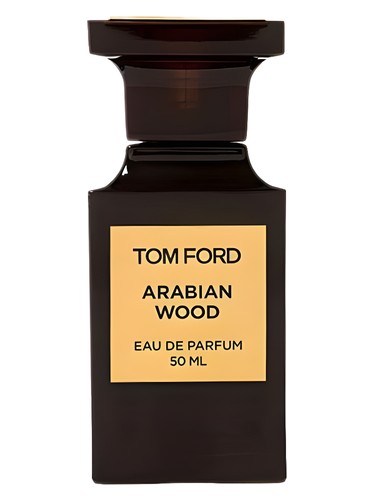
The first spray of Arabian Wood feels like stepping into a sun-dappled forest where sandalwood logs rest against weathered stone. This is Tom Ford at his most intriguing—a fragrance marketed as feminine but built on a backbone so unabashedly woody that it challenges every assumption about gendered perfumery. That initial moment delivers an immediate richness, a warmth that''s almost tactile, as if you could run your fingers along the grain of ancient timber. There''s something ceremonial about it, an olfactory nod to precious woods traded along ancient routes, yet it maintains a contemporary sophistication that keeps it firmly rooted in the present.
The Scent Profile
Arabian Wood presents an interesting challenge for the reviewer: its specific note breakdown remains something of a mystery, with Tom Ford keeping the exact composition close to the vest. What we do know comes through in its accord structure, and here the story becomes fascinating. The fragrance is absolutely dominated by woody elements—scoring a perfect 100% in that category—yet it''s far from a simple woodshop scenario.
White florals emerge at 44%, creating an unexpected counterpoint to all that timber. This isn''t the lush, indolic white floral of a tropical garden; instead, these blooms feel filtered through bark and moss, their creaminess tempered by earth and shadow. The general floral accord follows at 40%, suggesting a subtle bouquet that never overwhelms the composition''s architectural woody foundation.
What makes Arabian Wood particularly compelling is its mossy character (39%) and earthy quality (37%), which work in tandem to ground everything in something primeval and mysterious. There''s a distinct rose presence at 38%—likely a woody rose rather than a fresh-cut garden variety—that adds a certain old-world elegance to the proceedings. The overall impression is of a fragrance that evolves slowly on the skin, revealing its floral heart gradually while never abandoning its commitment to that dominant woody character. This is perfumery as slow revelation, rewarding patience and attention.
Character & Occasion
The seasonal data tells a clear story: Arabian Wood is autumn''s calling card, scoring a perfect 100% for fall wearability. Winter follows closely at 84%, confirming this as a fragrance built for cooler weather and cozy layers. Spring registers at 58%—entirely plausible for those transitional days when the air still carries a chill—while summer limps in at just 21%. This is emphatically not a humid-weather companion.
Interestingly, the day/night split reveals Arabian Wood''s versatility within its seasonal wheelhouse. It performs admirably during daylight hours at 79%, making it suitable for office wear, weekend errands, or lunch appointments. But it truly comes alive in the evening, scoring 84% for night wear. There''s enough depth and mystery here to carry you through dinner and beyond, enough presence to make a statement without overwhelming an intimate setting.
This positioning makes Arabian Wood ideal for the woman who appreciates traditionally masculine fragrance structures but wants something that nods to femininity without defaulting to obvious sweetness or fruit. It''s sophisticated without being stuffy, warm without being cloying—perfectly at home in smart casual settings, art gallery openings, or anywhere you want to project quiet confidence.
Community Verdict
The r/fragrance community, drawing from 48 opinions, awards Arabian Wood a positive sentiment score of 7.8 out of 10—solid approval that aligns with the broader 4.1 out of 5 rating from 666 voters. The community consistently praises its rich, warm woody character and the genuine depth it brings to the table. Tom Ford enthusiasts particularly appreciate how it fits within the brand''s acclaimed fragrance line, representing the house''s ability to create fragrances with real substance.
Where the community shows enthusiasm, it''s for the fragrance''s suitability to autumn and cooler weather—a seasonal sweet spot where Arabian Wood truly shines. It receives particular recommendations for casual to smart casual settings, suggesting it''s approachable rather than intimidating despite its luxe pedigree.
The cons, however, reveal some gaps in the conversation. There''s limited specific feedback on longevity or projection—crucial performance metrics that potential buyers often want to know. Discussion of versatility across seasons remains minimal (though the data itself suggests it''s fairly seasonal-specific anyway). Few detailed performance comparisons exist, leaving some questions about how it stacks up against competitors in real-world wear.
How It Compares
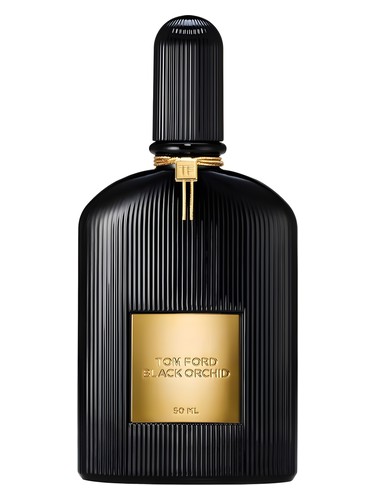
Arabian Wood finds itself in distinguished company among its similar fragrances. Grey Vetiver by Tom Ford shares the woody sophistication, though it skews more traditionally masculine. Encre Noire by Lalique offers a darker, more brooding take on woody earthiness. Tauer''s 02 L''Air du Desert Marocain brings spice and amber to a similar woody-earthy framework, while Terre d''Hermès provides a more citrus-inflected interpretation of earth and wood. Perhaps most telling is its similarity to Black Orchid, Tom Ford''s own gothic masterpiece—both share that ability to merge florals with unconventional, deeper elements.
In this landscape, Arabian Wood occupies a unique middle ground: more floral than Encre Noire, more feminine than Grey Vetiver, less theatrical than Black Orchid, yet connected to all of them through a commitment to quality materials and atmospheric depth.
The Bottom Line
With a 4.1 out of 5 rating from a substantial 666 voters, Arabian Wood has earned its place as a respected member of Tom Ford''s private blend universe. It''s not a crowd-pleaser in the conventional sense—its seasonal specificity and woody-forward character make it selective by nature—but for those who connect with it, the appreciation runs deep.
The value proposition depends on your priorities. If you''re seeking a distinctive autumn signature that defies easy categorization, Arabian Wood delivers. If you need year-round versatility or prefer fragrances that announce themselves loudly, look elsewhere.
Who should try it? The woman who gravitates toward woody fragrances but wants something softer than traditional masculines. The Tom Ford collector seeking depth over flash. Anyone who finds conventional feminine florals too sweet or simplistic. And definitely those who believe that the best fragrances for fall should smell like walking through a forest where roses somehow learned to grow on moss-covered logs.
AI-generated editorial review