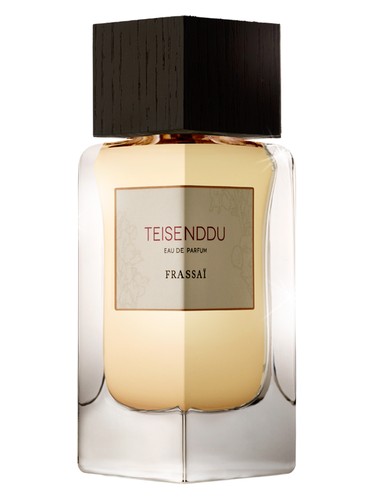
First Impressions
There''s something wonderfully enigmatic about spraying on Teisenddu for the first time. The opening arrives as a paradox—a burst of fresh spice that simultaneously invigorates and comforts. It''s the olfactory equivalent of that first crisp morning when you realize summer has finally surrendered to fall. The freshness isn''t the typical citrus-forward brightness; instead, it carries an aromatic quality that suggests something more complex lurking beneath. Within moments, sweetness begins to emerge, not cloying or dessert-like, but rather the natural sweetness of spices warmed by skin. This is a fragrance that announces itself without shouting, confident in its ability to intrigue.
The Scent Profile
Teisenddu presents an interesting challenge: Frassai has kept its exact note breakdown under wraps, leaving us to decode its composition through experience and accord analysis. What we know for certain is that fresh spice dominates completely—registering at full intensity—creating a foundation that''s both warming and surprisingly clean.
The sweet accord, present at 65%, weaves throughout the composition, likely manifesting through warming spices like cinnamon or cardamom rather than vanilla or sugar. The aromatic facet at 49% suggests herbal nuances—perhaps sage, thyme, or even a whisper of lavender—that keep the sweetness from becoming too heavy.
Most intriguingly, citrus notes register at 44%, creating that contradictory freshness that makes Teisenddu so compelling. Rather than leading the charge, these citrus elements seem to dance around the edges, brightening the spice and preventing the composition from becoming too somber.
The base reveals its complexity through dual woody and leather accords, each at 42%. This creates a foundation that''s simultaneously warm and slightly austere, with the leather adding an elegant, slightly animalic edge that grounds all that spiced sweetness. The wood provides structure and longevity, ensuring the fragrance evolves rather than simply fades.
Character & Occasion
Teisenddu knows exactly when it wants to be worn. With fall registering at 100% and winter at 85%, this is unquestionably a cold-weather companion. It''s the fragrance for wool coats and cashmere scarves, for leaves crunching underfoot and first fires in the fireplace. Spring receives a modest 26% rating, while summer languishes at just 12%—and for good reason. This spiced composition would likely feel suffocating in heat and humidity.
What''s particularly interesting is its versatility across the day-night spectrum. At 68% for daytime and 64% for evening, Teisenddu proves surprisingly adaptable. The fresh spicy opening and aromatic qualities make it office-appropriate and refined enough for professional settings, while those leather and woody base notes give it enough depth and mystery for dinner dates or evening events.
Marketed as feminine, Teisenddu''s spicy-leather profile actually skews more unisex in character—bold enough for anyone who appreciates complexity over conventional prettiness.
Community Verdict
Here''s where Teisenddu''s mystery deepens. Despite boasting an impressive 4.41 out of 5 rating from 351 votes—indicating substantial appreciation from those who''ve tried it—the fragrance has flown remarkably under the radar in community discussions. In a comprehensive review of Reddit''s fragrance community conversations, Teisenddu garnered essentially no specific commentary. No passionate defenders, no vocal critics, no detailed breakdowns of its performance or character.
This silence is telling in its own way. It suggests a fragrance that, while clearly well-crafted and appreciated by its wearers (that 4.41 rating doesn''t lie), hasn''t achieved the cult status or polarizing character that drives online discussion. It''s beloved but not buzzed about—a curious position for a perfume of this quality.
How It Compares
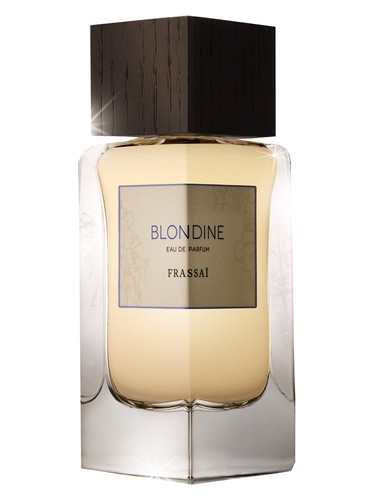
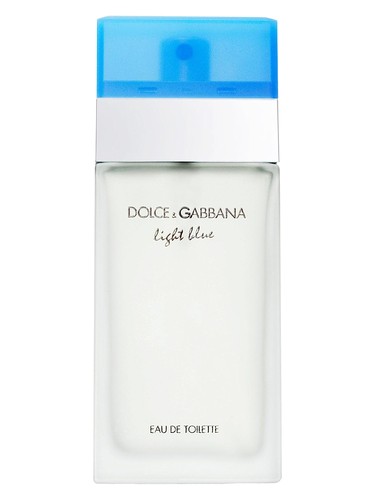
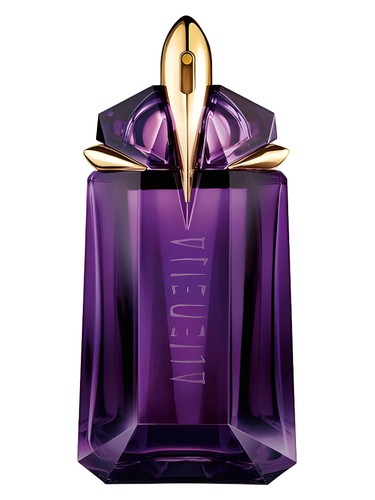
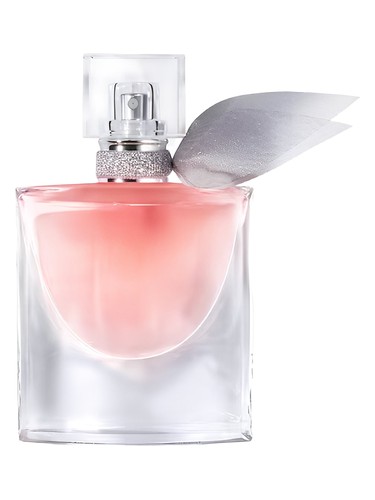
The list of similar fragrances reads like a who''s-who of modern niche perfumery, and it provides valuable context for understanding Teisenddu''s position. The comparison to Nishane''s Ani makes sense given the sweet-spicy orientation, while Remember Me by Jovoy Paris likely shares that fresh aromatic quality. The reference to Tauer''s L''Air du Desert Marocain suggests similar warm, spiced complexity, and the Gris Charnel connection points to shared leather-wood facets.
Most intriguingly, the comparison to Baccarat Rouge 540 is unexpected—MFK''s phenomenon is primarily known for its amber-floral sweetness and massive projection. The connection here likely lies in the sweet accord and that certain ineffable "expensiveness" both fragrances exude, though Teisenddu takes a decidedly spicier, more grounded route.
What distinguishes Teisenddu is perhaps its restraint. Where some of these comparisons make bold, statement-making choices, Teisenddu seems content to be discovered rather than announced.
The Bottom Line
Teisenddu presents a fascinating case study: a fragrance with an objectively strong rating, clear seasonal identity, and sophisticated composition that somehow remains under the fragrance community''s radar. That 4.41 rating from 351 voters suggests genuine quality and satisfaction among those who''ve discovered it, but the lack of community chatter indicates it hasn''t broken through to broader consciousness.
For the right person, this might be ideal. If you''re seeking a fall and winter signature that won''t have people asking "are you wearing Baccarat Rouge?" for the hundredth time, Teisenddu offers complexity and quality without the ubiquity. The fresh spicy profile makes it particularly appealing for those who find traditional gourmands too sweet or winter fragrances too heavy.
The lack of transparent note information might frustrate perfume nerds who want to know exactly what they''re buying, but it also invites a more intuitive, experiential approach to fragrance wearing. Sometimes mystery is part of the appeal.
Should you try it? If you love any of the comparison fragrances mentioned and want something in that spiced-sweet-leather territory that feels more personal and less recognized, absolutely. Just know you''re joining a relatively quiet club of admirers—and perhaps that''s exactly the point.
AI-generated editorial review