First Impressions
The first spray of Tea Rose is an awakening. Not the gentle flutter of eyelids, but the sharp intake of breath when cold morning air hits your face. This is rose pulled directly from the garden, stem and all — dewy petals still unfurling, green sap running through veined leaves, earth clinging to roots. There''s a bracing quality here, a chamomile brightness cutting through the floral sweetness like scissors through silk. If you''ve only known rose through the lens of powder compacts and Valentine''s bouquets, Tea Rose arrives as a correction, perhaps even a reprimand. This is the flower as it exists in nature: complex, slightly sharp, unapologetically alive.
The Scent Profile
Tea Rose opens with an unusual duo that sets the stage for everything to follow. Peony and chamomile create a clean, almost medicinal brightness — think crisp linen dried in spring sunshine, apple-fresh with herbal undertones. It''s this opening that earns the fragrance its fresh spicy and aromatic classifications, accounting for 25% and 24% of its character respectively. There''s nothing overtly sweet here; instead, you get the green snap of stems broken, the faint bitterness of white flowers before they''ve fully bloomed.
The heart is where Perfumer''s Workshop makes its bold statement. A trinity of roses — Bulgarian, Damask, and Tea — layers depth upon depth of rose absolute. But this isn''t the jammy, honeyed rose of modern compositions. The Bulgarian rose contributes a clear, almost transparent quality, while Damask brings a slightly peppery, complex richness. The tea rose accord itself delivers that signature green character, the scent of petals touched by rain rather than warmed by sun. At 100% dominance in the main accords, this is rose without apology or adornment.
The base provides just enough structure to keep the composition from floating away entirely. Geranium reinforces the rosy theme while adding a subtle minty edge, violet leaves contribute their cucumber-cool freshness, and cedarwood offers the barest whisper of woody grounding. These aren''t the stars of the show — they''re the gardener''s hands that tend the blooms, present but purposefully understated.
Character & Occasion
The numbers tell a clear story: this is a spring fragrance first and foremost, scoring 97% in seasonal suitability. It''s the liquid embodiment of April mornings, of dew-drenched rose gardens before the heat sets in. Summer claims 69% suitability — defensible on cooler days or evening garden parties, though the freshness that sings in spring can feel slightly wan against summer''s heavier heat.
The day/night split is even more decisive: 100% day, 37% night. Tea Rose makes no pretensions toward evening seduction or candlelit mystery. This is a fragrance for breakfast meetings, weekend farmers'' markets, linen dresses, and natural light. It pairs with coffee, not champagne; with cotton, not silk.
Who is this for? The wearer who values authenticity over flattery, who finds beauty in the unvarnished. This isn''t a fragrance that will make you smell "expensive" in the conventional sense — it won''t wrap you in vanilla comfort or project oriental opulence. Instead, it offers something increasingly rare: a clear, honest representation of a single flower in its natural state.
Community Verdict
With 3,158 votes tallying to a 3.78 out of 5 rating, Tea Rose occupies interesting territory. This isn''t a universally beloved crowd-pleaser scraping 4.5 stars, nor is it a polarizing oddity languishing below 3.0. The score suggests a fragrance that rewards those who understand its intentions while leaving others puzzled. That spread of votes tells us Tea Rose has found its people — a substantial community who return to it year after year — while openly acknowledging it won''t convert everyone it meets.
This moderate rating shouldn''t be read as mediocrity. Rather, it''s the honest assessment of a fragrance that does one thing exceptionally well, with little interest in being all things to all people.
How It Compares
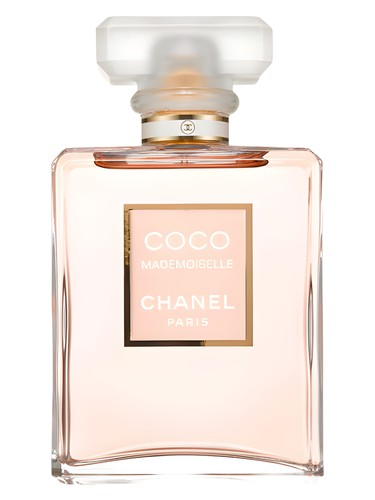
The listed similarities reveal Tea Rose''s unexpected reach. Flower by Kenzo shares that aquatic-fresh floral approach, while Aromatics Elixir operates in a similar herbal-aromatic register. More intriguing are the Chanel references — Coco Mademoiselle, Coco Eau de Parfum, and No. 5 Parfum. What these titans share with humble Tea Rose is commitment to a clear olfactive vision, a refusal to follow trends.
Where Tea Rose distinguishes itself is in its singular focus. While the Chanels balance florals with aldehydes, orientals, and complex supporting players, Perfumer''s Workshop strips everything away until only the essential rose remains. It''s minimalism that predates minimalism, a soliflore that influenced decades of green florals that followed.
The Bottom Line
Tea Rose isn''t a fragrance to sample once and dismiss. It requires context — the right season, the right mood, the right understanding of what it''s trying to achieve. At nearly five decades old, it remains defiantly itself: a rose portrait so honest it still catches people off guard.
The 3.78 rating reflects exactly what it should: a fragrance with devoted admirers and perplexed skeptics in roughly equal measure. For someone seeking their signature rose, someone tired of rose rendered safe and sweet, this is essential exploration. The price point remains accessible, making experimentation low-risk.
Should you try it? If you''ve ever stopped to inhale the scent of actual garden roses and found them more interesting than beautiful, yes. If you value transparency over complexity, if you wear fragrance as personal truth rather than social strategy, absolutely. Just remember: Tea Rose doesn''t seduce. It simply exists, vivid and green and utterly certain of itself.
AI-generated editorial review