First Impressions
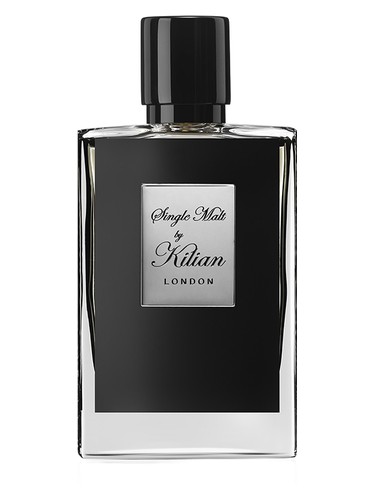
The first spray of Single Malt delivers what can only be described as olfactory alchemy—a burst of dark, liqueur-soaked plum that immediately justifies the whiskey-inspired name. But this isn''t the sharp, astringent burn of alcohol; it''s the warm, honeyed glow of something aged in oak barrels, sweetened with time and intention. Within seconds, you understand why this fragrance has achieved near-mythical status among collectors. The opening is simultaneously familiar and utterly distinctive, like recognizing a melody you''ve never actually heard before.
Classified as feminine but beloved across all gender expressions, Single Malt announces itself with confidence. That initial plum note carries an almost bruised quality—not spoiled, but deeply ripe, teetering on the edge of fermentation. It''s the kind of complexity that makes you lean in closer, trying to decode what makes something so simple feel so profound.
The Scent Profile
The journey from top to base reveals a composition of surprising restraint. Where many gourmand fragrances pile on accord after accord, Single Malt''s 2015 formula relies on carefully chosen notes that create something far greater than their sum.
The plum top note dominates those crucial opening minutes, registering as intensely fruity (100% in the accord breakdown) with a sweetness that reads at 91%. But this isn''t candy-store sweet—it''s the concentrated sweetness of dried fruit, of compote reduced on a stovetop, of preserves in a Victorian pantry.
As the fragrance settles into its heart, wheat emerges with an unexpected grace. This is where Single Malt earns its name most literally. The grain note adds a subtle, almost creamy texture that tempers the fruit''s exuberance. It''s here that the powdery accord (81%) becomes evident, creating a soft-focus effect that keeps the composition from ever feeling heavy or cloying despite its richness.
The base is where magic truly happens. Vanilla at 71% accord strength provides the backbone—not the sharp vanilla of extract, but the rounded, almost tobacco-like warmth of vanilla beans left to cure. Tolu balsam adds resinous depth and that distinctive amber quality (66%), while cedar grounds everything with just enough woodiness (63%) to remind you this is a serious fragrance, not a dessert counter.
The progression is remarkably linear in the best sense—Single Malt doesn''t transform drastically from hour to hour. Instead, it reveals itself gradually, each phase flowing seamlessly into the next like movements in a symphony.
Character & Occasion
The data tells a clear story: this is an autumn and winter masterpiece. With 100% suitability for fall and 90% for winter, Single Malt thrives in cold weather, where its warmth becomes not just pleasant but essential. Spring registers at only 27%, and summer at a mere 11%—wear this in July at your own risk.
More revealing is its night-time dominance: 95% evening suitability versus just 41% for daytime. Single Malt is a fragrance that comes alive under artificial light, in intimate settings, when the day''s obligations have been shed like a coat at the door. This is what you wear to dinner reservations that matter, to gallery openings, to late-night conversations over drinks that stretch past midnight.
Despite its feminine classification, the fragrance''s boozy-sweet profile and substantial presence make it genuinely unisex in practice. Its similarities to traditionally masculine scents like Tobacco Vanille and Herod suggest that Single Malt occupies that rare space where gendered categories become meaningless.
Community Verdict
The Reddit fragrance community speaks with unusual unanimity here: Single Malt is special. With a sentiment score of 8.2/10 based on 38 opinions, the praise is both enthusiastic and specific.
Users consistently cite excellent performance and longevity—this is a fragrance that earns its niche price tag through sheer staying power. The scent profile is described as genuinely unique, the kind of addition that makes a collection feel complete rather than redundant. For many, it''s achieved "holy grail" status, that rarefied designation reserved for fragrances worth any effort to acquire.
But here''s where the story turns bittersweet: Single Malt is notoriously difficult to find. The community''s primary complaint centers on availability—the fragrance appears discontinued or in severely limited production. Even at By Kilian''s premium price point (already a barrier for many), finding a bottle has become a challenge that borders on treasure hunt.
This scarcity only intensifies desire, of course, but the frustration is real. A fragrance can''t be a daily pleasure if you can''t actually purchase it.
How It Compares
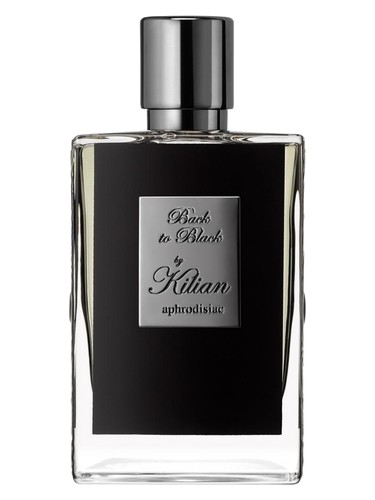
Single Malt occupies territory adjacent to several modern classics. Tom Ford''s Tobacco Vanille shares the boozy-sweet vanilla DNA but leans harder into tobacco. Parfums de Marly''s Herod brings similar warmth with more prominent cinnamon. Back to Black, By Kilian''s own creation, explores darker cherry territory with comparable richness.
What sets Single Malt apart is its particular combination of plum and grain—that whiskey barrel specificity that the others don''t quite capture. Where Tobacco Vanille is a smoking lounge and Herod is a spice market, Single Malt is a distillery in autumn, all copper stills and wooden casks.
The Bottom Line
With a 4.57/5 rating from 647 voters, Single Malt has earned its reputation through genuine quality, not hype. This is a fragrance that delivers on its promises: complexity, longevity, and a scent profile that stands apart in an increasingly crowded niche market.
The value assessment is complicated by availability. If you can find it, the investment is justified for anyone who loves rich, boozy gourmands that maintain sophistication. This isn''t a beginner fragrance—it''s a destination scent for those who''ve explored enough to know what they want.
Who should seek this out? Collectors willing to hunt, cold-weather fragrance lovers, anyone captivated by the intersection of fruit and spirit notes. Just know that finding Single Malt may require patience, luck, and a willingness to pay premium prices on the secondary market.
For those fortunate enough to own a bottle: ration it carefully. This treasure may not be replenished.
AI-generated editorial review