First Impressions
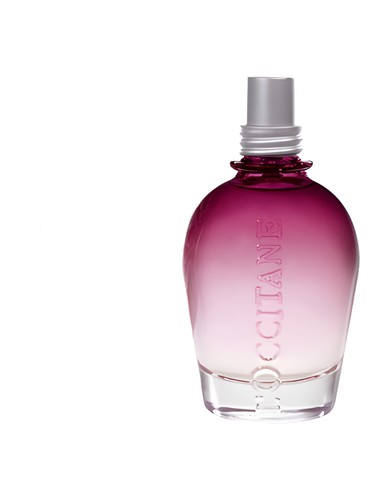
The first spray of Pivoine Flora Eau de Toilette is like stepping into a sun-drenched garden just after morning dew has lifted. There's an immediate brightness—a burst of citrus that feels both cheerful and refined—before the unmistakable presence of fresh flowers begins to bloom on your skin. This is L'Occitane en Provence translating their botanical heritage into liquid form, and it announces itself with clarity and grace. The opening moments feel optimistic, unabashedly feminine, and utterly unpretentious. This isn't a fragrance trying to be mysterious or seductive; it's confident in its straightforward floral beauty.
The Scent Profile
Pivoine Flora opens with a sparkling duet of bergamot and grapefruit that provides the perfect scaffolding for what's to come. The citrus notes are crisp and clean rather than sharp or tart—they illuminate rather than dominate. Within minutes, this bright opening yields to the heart of the composition, where peony and rose take center stage in a performance that feels both classic and refreshingly modern.
The peony note deserves particular attention here. Often overshadowed by its more famous cousin, the rose, peony brings a delicate, almost watery freshness that distinguishes this fragrance from countless other rose-centric florals. It has a soft, petal-like quality—imagine the texture of silk ribbon mixed with the subtle sweetness of spring air. The rose that accompanies it isn't the jammy, heady rose of oriental perfumes or the sharp, green rose of certain chypres. Instead, it's a soft pink rose, dewy and approachable, the kind you'd find in a country garden rather than a hothouse.
As the fragrance settles into its base, musk and sandalwood provide a gentle landing. The sandalwood adds a whisper of creaminess without veering into heavy territory, while the musk keeps everything close to the skin with a clean, almost powdery finish. This base doesn't dramatically transform the composition—rather, it simply allows the floral notes to fade gracefully over the course of several hours, maintaining the fragrance's overall lightness and wearability.
Character & Occasion
The community has spoken decisively about when Pivoine Flora shines brightest: this is quintessentially a spring fragrance, with 91% of wearers finding it perfectly suited to the season. Summer follows at 75%, which makes complete sense given the fresh, citrus-kissed character and the eau de toilette concentration that won't overwhelm in warm weather. Fall and winter appear far less frequently in the data (20% and 9% respectively), and honestly, that tracks—this isn't a fragrance with the weight or warmth to stand up to cold weather.
Day versus night tells an even clearer story: 100% day, with only 18% finding it suitable for evening wear. Pivoine Flora is unequivocally a daytime fragrance. Think brunch dates, garden parties, office environments, weekend errands, or any occasion where you want to smell polished and pleasant without making a dramatic statement. The dominant fresh floral character (100% floral, 95% rose, 63% fresh) makes it approachable and versatile for casual to business-casual settings.
Who is this for? Women who appreciate uncomplicated beauty. Those who reach for florals instinctively but don't want the heaviness that often comes with them. Anyone building a warm-weather fragrance wardrobe who needs a reliable, easy-to-wear option that garners compliments without demanding attention.
Community Verdict
With a rating of 3.96 out of 5 based on 361 votes, Pivoine Flora sits comfortably in "very good" territory. This isn't a polarizing fragrance—it's not trying to be revolutionary or challenge conventions. That rating suggests a fragrance that delivers exactly what it promises: a well-executed floral composition that wears easily and pleases reliably. The solid vote count indicates this isn't a hidden gem languishing in obscurity, but rather a fragrance that's found its audience and consistently meets their expectations.
How It Compares
The similar fragrances list reads like a who's who of beloved accessible florals: Chloé Eau de Parfum, Bright Crystal by Versace, Miracle by Lancôme, Chance Eau Tendre by Chanel, and Cinéma by Yves Saint Laurent. These comparisons position Pivoine Flora squarely in the modern romantic floral category—fragrances that lean fresh rather than opulent, youthful without being juvenile, feminine without being cloying.
Where Pivoine Flora distinguishes itself is in that specific peony focus and the Provençal sensibility L'Occitane brings to everything they create. While Chloé might be richer and Chance Eau Tendre more playful, Pivoine Flora occupies a sweet spot of botanical authenticity. It smells less like a perfumer's interpretation of flowers and more like actual flowers captured in the landscape of southern France.
The Bottom Line
Pivoine Flora Eau de Toilette won't revolutionize your fragrance collection, but that's not a criticism—it's a clarification. This is a fragrance that excels at being exactly what it is: a fresh, floral, wearable eau de toilette perfect for warm-weather days when you want to smell lovely without trying too hard. At 3.96 out of 5, the community confirms that L'Occitane has created something genuinely pleasant that performs reliably within its intended scope.
The value proposition here depends on what you're seeking. If you want projection, longevity, or complexity, you'll likely be disappointed—eau de toilette concentration means moderate sillage and a few hours of wear time. But if you're after a fragrance that captures the simple pleasure of fresh flowers on a spring day, that works beautifully in professional settings, and that never feels like too much, Pivoine Flora delivers with grace.
Try this if you loved any of the similar fragrances mentioned but want something slightly more grounded in botanical realism. Try this if you're building a spring and summer rotation and need a reliable floral that won't clash with anything else in your wardrobe. And definitely try this if you've ever wished you could bottle the feeling of a Provençal garden in May—because that's precisely what L'Occitane has accomplished here.
AI-generated editorial review