First Impressions
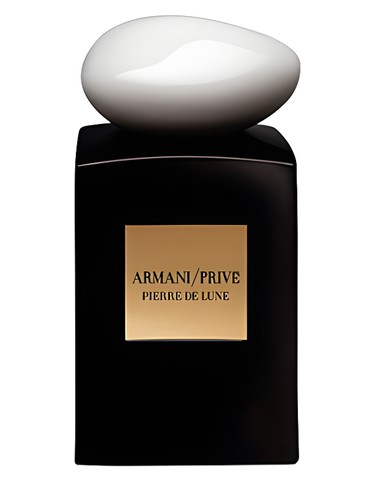
The first spray of Pierre de Lune feels like stepping into a moonlit garden where violet petals have settled on weathered wood. This is not the cheerful, candy-sweet violet of childhood memories, but something more contemplative—a dusky, powdered interpretation that manages to feel both vintage and modern. There''s an immediate sophistication here, a grey-purple elegance that suggests Armani understood exactly what he was creating: a fragrance for those who find beauty in subtlety rather than spectacle. The violet accord announces itself with complete confidence at 100%, yet never overwhelms. Instead, it creates an atmospheric veil that draws you closer rather than announcing itself from across the room.
The Scent Profile
Without specified individual notes, Pierre de Lune reveals itself through its dominant accords, creating a composition that''s more about mood than明確 ingredients. The violet, present at full intensity, forms the heart and soul of this fragrance. But this isn''t violet in isolation—it''s supported by a substantial woody backbone at 89%, creating a structure that prevents the floral element from floating away into pure sweetness.
The powdery accord, weighing in at 86%, gives Pierre de Lune its distinctive texture. This is the element that evokes vintage compacts, silk scarves, and the refined elegance of another era. It softens the edges of the violet without dulling its presence, creating a gauzy, diffused quality reminiscent of moonlight itself—never harsh, always filtered through something ethereal.
At 66%, the iris accord adds a rooty, slightly metallic coolness that sophisticated fragrance wearers will recognize immediately. This is where Pierre de Lune reveals its kinship with other grey-violet compositions, that particular coolness that iris brings—almost like the scent of rain on concrete, or the interior of an old jewelry box. It''s this element that prevents the fragrance from becoming too soft or overtly feminine in a traditional sense.
The earthy notes (38%) ground the composition just enough, suggesting damp soil beneath those moonlit violets, while a subtle aromatic accord (34%) adds an herbaceous whisper that keeps the fragrance from becoming entirely nostalgic. The evolution is less about distinct phases and more about a slowly shifting perspective on the same central theme—like watching clouds move across the moon, changing the quality of light but never the source.
Character & Occasion
Pierre de Lune presents an intriguing versatility that the data confirms: this is an all-seasons fragrance. The woody and powdery elements provide enough weight for cooler months, while the violet''s inherent freshness prevents it from becoming oppressive in warmer weather. It''s the kind of fragrance that adapts to its environment, reading as comforting in winter and cooling in summer.
Interestingly, the community data shows no strong preference for day or night wear, which speaks to Pierre de Lune''s chameleonic nature. This isn''t a fragrance that demands a specific setting; rather, it enhances wherever you choose to wear it. The name suggests evening—moonstone, lunar mystery—yet the composition is refined enough for professional settings and contemplative enough for quiet afternoons.
This is decidedly a fragrance for those who appreciate understatement. The woman who wears Pierre de Lune likely gravitates toward quality fabrics in muted tones, finds beauty in architecture and literature, and considers fragrance an intimate choice rather than a statement piece. It''s not a fragrance for someone seeking compliments from strangers, but rather for someone who wants their scent to feel like an extension of their personality—present, distinctive, but never demanding attention.
Community Verdict
With a rating of 4.11 out of 5 from 691 voters, Pierre de Lune has earned genuine admiration from those who''ve experienced it. This is a notably strong rating, particularly impressive for a discontinued fragrance that requires some effort to obtain. The voting pool suggests a dedicated following rather than mass-market appeal—these are collectors and enthusiasts who''ve actively sought out this composition, and their consensus is clearly positive.
The fact that nearly 700 people have taken the time to rate a discontinued fragrance speaks volumes about Pierre de Lune''s impact. This isn''t a forgotten release that slipped quietly away; it''s a fragrance that people remember, seek out, and recommend to others who appreciate this particular olfactory aesthetic.
How It Compares
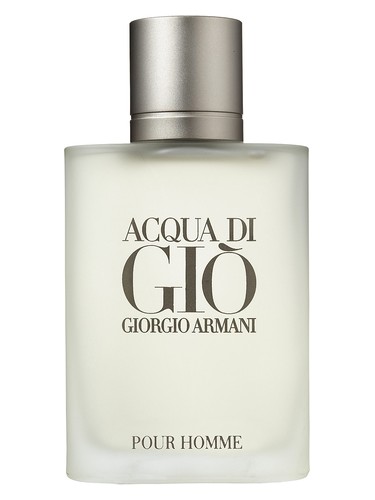
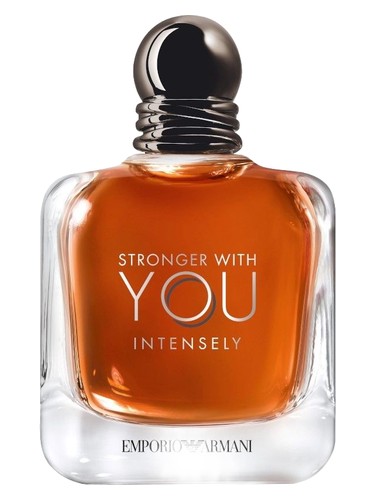
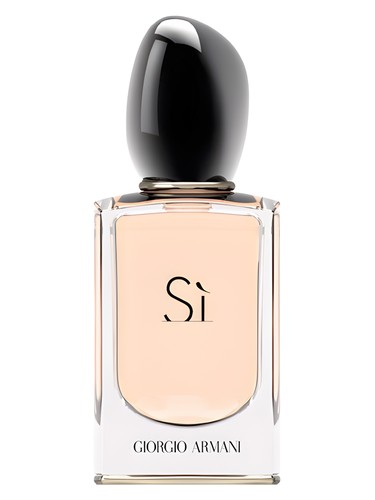
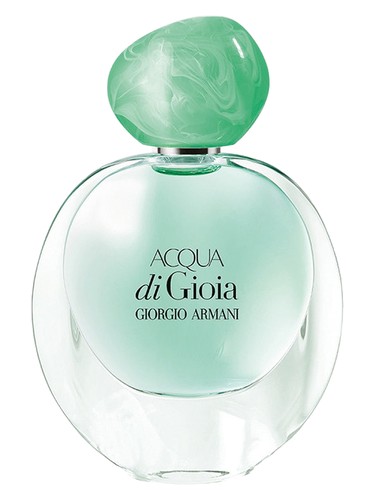
The comparison to Chanel No 19 Poudre is particularly apt—both fragrances explore that cool, green-violet-iris territory with a powdery finish. Pierre de Lune feels slightly warmer and woodier, less strictly structured than the Chanel. The kinship with Prada''s Infusion d''Iris is obvious, though Pierre de Lune emphasizes violet more prominently where Prada focuses on iris''s rooty qualities.
The connection to Cuir Amethyste, another Armani creation, suggests a house style—that particular approach to violet and iris that Armani seems to favor. Meanwhile, the references to Dior''s Dolce Vita and Dune place Pierre de Lune in a family of sophisticated, somewhat melancholic florals that defined elegance in the 1990s and early 2000s.
The Bottom Line
Pierre de Lune represents Giorgio Armani at his most poetic, creating a fragrance that prioritizes atmosphere and emotion over commercial appeal. Its 4.11 rating reflects genuine quality recognized by those who value nuance over novelty. The challenge, of course, is availability—discontinued fragrances require hunting through resellers and vintage collections, often at premium prices.
Is it worth the search? For anyone who gravitates toward cool, powdery florals with substance, absolutely. This is a mature, thoughtful composition that rewards patient wearing and offers something increasingly rare in modern perfumery: restraint combined with character. If you love any of its similar fragrances, particularly No 19 Poudre or Infusion d''Iris, Pierre de Lune deserves a place in your collection. It''s a fragrance that doesn''t just smell beautiful—it creates a mood, tells a story, and leaves an impression as subtle and lasting as moonlight on skin.
AI-generated editorial review