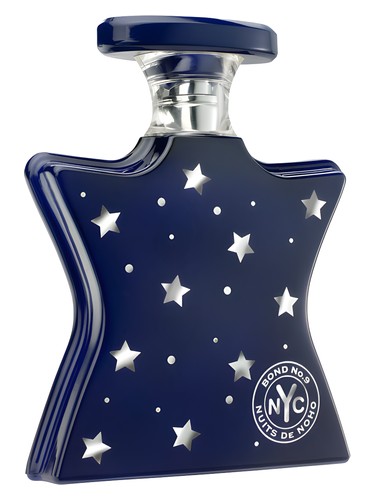
First Impressions
The first spray of Nuits de Noho announces itself with a paradox: bright pineapple leaf cutting through darkness like streetlights reflecting off rain-slicked cobblestones. This is Bond No 9''s love letter to NoHo—that triangle of bohemian elegance where artists'' lofts meet wine bars—and it captures the neighborhood''s dual nature perfectly. The opening feels deliberately upscale tropical, with mandarin orange and bergamot providing citrus brightness, yet there''s something already grounding it, a whisper of the patchouli-vanilla symphony waiting in the wings. Within seconds, you understand this fragrance has no interest in subtlety. It wants to be noticed, remembered, discussed over late-night cocktails in a dimly lit bar.
The Scent Profile
Nuits de Noho''s evolution is a study in controlled contradiction. The pineapple leaf top note—not the fruit itself, but the green, slightly sharp foliage—creates an unusual entry point that''s simultaneously fresh and exotic. It''s joined by mandarin orange that brings juicy brightness and bergamot that adds a sophisticated, tea-like quality. This opening act is brief but memorable, like catching a glimpse of someone intriguing across a crowded room.
The heart reveals the fragrance''s romantic credentials. Jasmine blooms with indolic richness, bringing white floral opulence without veering into soap territory. The Brazilian rosewood adds a complex woody-spicy layer that feels smooth and expensive, like polished furniture in a gallery space. This combination bridges the gap between the citrus opening and what''s coming—a base that dominates the fragrance''s personality.
And what a base it is. Patchouli takes center stage with full, earthy intensity—this is not the head-shop patchouli of stereotype, but a refined, almost chocolatey interpretation that meshes seamlessly with vanilla and musk. The vanilla here is substantial, scoring 73% in the accord analysis, creating a sweet foundation that never tips into gourmand territory thanks to the patchouli''s grounding influence. The musk adds skin-like warmth and longevity. Together, these base notes create something that registers as 100% woody and 100% patchouli in character, with sweetness at 95%—a triumvirate that defines the fragrance''s after-hours identity.
Character & Occasion
The data tells the story clearly: Nuits de Noho is a creature of the night, with 100% of wearers voting it appropriate for evening versus just 38% for day. This is not a fragrance for board meetings or brunch. It thrives in low lighting, during moments when inhibitions lower and conversations deepen. The name itself—"Nights of NoHo"—makes no attempt to hide its nocturnal intentions.
Seasonally, this is a cold-weather companion. Winter sees 87% approval, fall follows closely at 83%, while summer limps in at a mere 17%. That sweet patchouli-vanilla base needs crisp air to shine; in heat, it risks becoming cloying. During autumn and winter months, however, it becomes the olfactory equivalent of a cashmere coat—enveloping, luxurious, and protective against the elements.
While marketed as feminine, the woody-patchouli dominance gives it enough gravitas to appeal beyond traditional gender boundaries. The ideal wearer appreciates bold, unapologetic fragrances that command presence rather than whisper politely. This is for someone who already knows their signature style and isn''t afraid of a fragrance with vintage-inspired heft reinterpreted for the modern age.
Community Verdict
With a rating of 3.96 out of 5 from 758 votes, Nuits de Noho sits comfortably in "very good" territory. This isn''t a polarizing love-it-or-hate-it fragrance, nor is it universally adored—and that''s revealing. The solid rating suggests a well-executed composition that delivers on its promises, though perhaps doesn''t transcend into masterpiece territory for everyone. Some voters likely found the sweet-woody combination too rich or too reminiscent of the era''s popular orientals. Others clearly appreciated its quality execution and distinctive character within Bond No 9''s New York-neighborhood collection. The substantial vote count indicates this isn''t an overlooked gem but rather a well-explored fragrance with an established reputation.
How It Compares
The listed similar fragrances read like a who''s who of early 2000s oriental powerhouses: Angel, Coco Mademoiselle, Black Orchid, Flowerbomb, and Shalimar Parfum Initial. Nuits de Noho shares DNA with these heavy-hitters—particularly the patchouli-vanilla axis that defined the era—but maintains its own identity. It''s less aggressively sweet than Angel, less polished and restrained than Coco Mademoiselle, less gothic than Black Orchid. Think of it as occupying a middle ground: sophisticated enough for Chanel lovers who want more warmth, accessible enough for those who find Tom Ford''s take too intense. Within Bond No 9''s own lineup, it stands as one of their more overtly sensual offerings, a darker sibling to their typically bright, fruity compositions.
The Bottom Line
Twenty years after its 2003 launch, Nuits de Noho remains a compelling option for those seeking a sophisticated oriental with personality. The near-4-star rating reflects its quality execution: this is well-blended, long-lasting, and distinctive without being difficult. Bond No 9''s pricing positions it firmly in the luxury category, and whether that represents value depends on your priorities. You''re paying for quality ingredients, respectable longevity, and the brand''s New York prestige.
Who should try it? Anyone drawn to woody, sweet orientals with substance. Anyone building a collection who needs a reliable cold-weather evening fragrance. Anyone who loved the oriental boom of the 2000s but wants something slightly less ubiquitous than the mega-hits. Skip it if you prefer fresh, minimalist fragrances or find patchouli off-putting in any form. But if you''re intrigued by the idea of tropical brightness yielding to dark, enveloping warmth—if the phrase "nights in NoHo" conjures images of art galleries, wine bars, and conversations that last until dawn—then this fragrance deserves your attention.
AI-generated editorial review