First Impressions
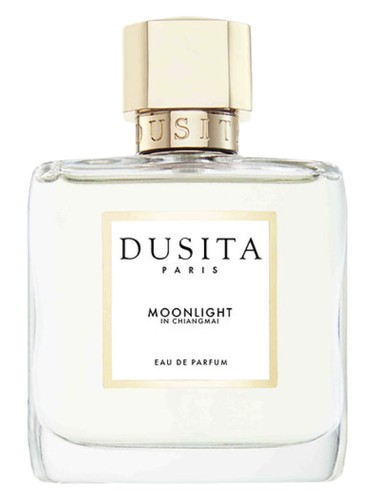
The first spray of Moonlight in Chiangmai arrives like stepping from a busy Bangkok street into the hushed courtyard of a Northern Thai temple at dusk. There''s an immediate contradiction that shouldn''t work but does: bright yuzu citrus colliding with night-blooming jasmine, creating a luminous opening that feels both masculine and unexpectedly floral. This isn''t the jasmine of Western perfumery—heavy, indolic, overtly romantic. Instead, it''s filtered through a Southeast Asian lens, tempered by citrus brightness and anticipating the woody depth that''s already whispering from beneath.
Parfums Dusita, the Bangkok-based house founded by perfumer Pissara Umavijani, has built its reputation on translating Thai sensibilities into French perfume traditions. Moonlight in Chiangmai, launched in 2020, captures this East-meets-West philosophy with particular grace, presenting a fragrance that''s decidedly woody (the accord registers at 100%) while maintaining an ethereal quality suggested by its poetic name.
The Scent Profile
The yuzu-jasmine opening is brief but memorable—a flash of citrus peel oil meeting white flowers on humid evening air. The yuzu brings that distinctly Japanese citrus character, slightly bitter and more complex than simple lemon or bergamot, while the jasmine adds an unexpected softness to what will become an increasingly masculine composition.
Within fifteen minutes, the heart reveals its true architecture. Nutmeg emerges first, bringing warmth without aggression, its fresh-spicy character (77% according to community consensus) adding dimension rather than heat. Then comes benzoin, that resinous sweetness that forms the backbone of the amber accord (84%)—vanilla-tinged but not gourmand, adding richness and a subtle balsamic quality that begins to hint at the incense-like qualities to come.
This middle phase is where Moonlight in Chiangmai establishes its identity. The interplay between spice and resin creates that warm-spicy character (54%), present but not dominant, supporting rather than overwhelming. There''s an aromatic quality (45%) threading through, likely from the interaction of jasmine''s green facets with the nutmeg''s camphoraceous edges.
The base is where the fragrance settles into its true nature. Teak wood—a note that directly references Northern Thailand''s forests and traditional craftsmanship—provides a dry, slightly austere woody foundation. It''s joined by vetiver''s earthy, rooty character and patchouli''s dark greenness, creating a woody trinity that''s complex and refined rather than aggressively masculine. Myrrh weaves through this base, adding its characteristic medicinal-resinous depth, enhancing that amber accord and giving the entire composition an almost spiritual quality.
The dry-down, hours later, is predominantly woody with lingering traces of amber sweetness and spice—sophisticated, subtle, and surprisingly comforting.
Character & Occasion
The community data tells a clear story about Moonlight in Chiangmai''s versatility. This is overwhelmingly an autumn fragrance (100%), which makes perfect sense given its woody-amber-spicy profile. But it transitions beautifully into spring (90%), where that opening citrus and jasmine finds more room to breathe against the warming weather. Even summer claims a respectable 64% suitability—testament to the fragrance''s relative lightness despite its woody dominance. Winter, perhaps surprisingly, scores lowest at 54%, suggesting this isn''t the heavy, dense scent some might expect from its description.
The day-to-night split (92% day, 74% night) positions this as primarily a daytime masculine, sophisticated enough for professional settings while maintaining enough character for evening wear. This isn''t a clubbing fragrance or a date-night powerhouse—it''s refined, somewhat intellectual, best suited to someone who appreciates subtlety over projection.
The masculine designation feels accurate but not exclusive. The jasmine and amber elements could easily appeal to those who prefer woody fragrances regardless of marketing categories.
Community Verdict
With 669 votes landing at 3.75 out of 5, Moonlight in Chiangmai sits in that interesting space above "merely good" but below "instant masterpiece." This is a fragrance that rewards those who seek it out, whose appeal isn''t immediate or universal but rather cultivated and specific. The rating suggests a composition that''s well-executed and appreciated by its wearers, though perhaps not instantly accessible to everyone who samples it.
This isn''t a weakness—it''s a signature of Parfums Dusita''s approach. These are fragrances that ask you to meet them halfway, to understand their cultural references and appreciate their quieter moments.
How It Compares
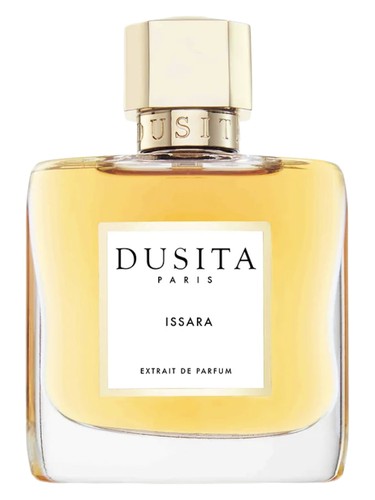
The list of similar fragrances reveals interesting company. Ani by Nishane and Baccarat Rouge 540 share the amber-woody character, though both lean sweeter. Tauer''s L''Air du Desert Marocain and Portrait of a Lady suggest the resinous, spice-inflected territory Moonlight occupies. Most tellingly, Issara—another Parfums Dusita creation—appears on this list, confirming the house''s consistent aesthetic.
Where Moonlight in Chiangmai distinguishes itself is in its cultural specificity and that unusual jasmine-yuzu opening. While others in this category might reference Middle Eastern or French traditions, this fragrance remains rooted in Southeast Asian sensibility—woody but not austere, amber-rich but not heavy, spiced but not aggressive.
The Bottom Line
Moonlight in Chiangmai represents Parfums Dusita''s vision at its most successful: a fragrance that translates specific cultural and geographical inspiration into wearable, sophisticated perfumery. The 3.75 rating from a substantial voting base suggests this is a fragrance worth exploring for anyone drawn to woody-amber compositions with complexity and restraint.
This isn''t an everyday reach for most people, nor is it trying to be. It''s a thoughtful, well-constructed masculine that rewards patience and appreciation for subtlety. Best suited to those who already appreciate niche perfumery and are looking for something outside the typical Western woody-aromatic masculine template. If you''ve found yourself drawn to the amber-woody creations from houses like Nishane or Tauer but want something with a distinctly different cultural perspective, this deserves your attention.
AI-generated editorial review