First Impressions
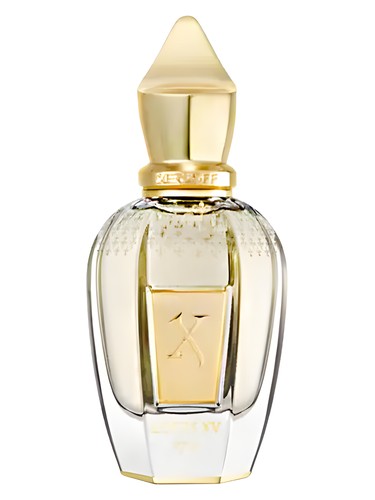
The first spray of Louis XV 1722 delivers an immediate contradiction—champagne bubbles suspended in plum-stained saffron, with grapefruit cutting through like morning light through stained glass. This is not the powdered wig sweetness you might expect from a fragrance named after France''s most indulgent king. Instead, Xerjoff has created something more interesting: a woody backbone wrapped in citrus brightness, with just enough spice to suggest the opulence without drowning in it. The opening feels surprisingly fresh for a composition that will eventually settle into leather and incense, like discovering a sunlit courtyard in the depths of a baroque palace.
The Scent Profile
That champagne note—effervescent, slightly yeasty, undeniably elegant—dominates the opening moments alongside the grapefruit''s bitter brightness. The plum adds a subtle juiciness that keeps the citrus from becoming too sharp, while saffron threads through everything with its distinctive metallic warmth. This is a top accord that commands attention without shouting, a deft balance that sets the stage for what follows.
The heart is where Louis XV 1722 reveals its true ambition. Lavender and rose provide the expected floral framework, but they''re immediately complicated by hazelnut, coffee, and cocoa. It''s an unusual combination that could easily veer into gourmand territory, yet the lavender''s aromatic quality and the coffee''s bitter edge keep it grounded. The hazelnut brings a creamy, skin-like warmth that makes the whole composition feel intimate rather than performative. This isn''t a chocolate shop or a coffee bar—it''s something more abstract, more sophisticated, like the scent of expensive leather gloves left near a cup of espresso in a wood-paneled study.
The base notes anchor everything in a woody-musky foundation that feels both modern and timeless. Sandalwood provides creamy depth, while cashmeran adds that distinctive musky-woody character that''s become ubiquitous in contemporary perfumery for good reason—it simply works. The leather note emerges gradually, never dominating but adding structure and a subtle animalic quality. Incense and white musk interweave to create a clean but complex drydown that can read as powdery without being old-fashioned. This is where the fragrance settles for hours, that woody accord (marked at 100% dominance) fully realized and remarkably versatile.
Character & Occasion
The data tells a clear story: Louis XV 1722 is a spring and fall champion, scoring 100% and 96% respectively in seasonal appropriateness. This makes perfect sense. The citrus-woody balance is too substantial for deep winter''s need for enveloping warmth, yet it carries enough structure for transitional weather when you want something with presence. That it scores 87% for summer speaks to the grapefruit and champagne''s ability to lighten the composition, making it more adaptable than you''d expect from something so woody.
The day-dominant profile (92% day versus 76% night) positions this as a signature scent for professional settings and daytime social occasions. It''s polished enough for serious environments yet interesting enough to spark conversation. The woody-citrus combination reads as confident without being aggressive—perfect for someone who wants to smell distinctive but not distracting. That said, the 76% night score suggests it transitions well into evening, particularly in warmer months when heavier orientals feel suffocating.
Despite its feminine classification, the composition skews toward what many would consider unisex territory. The woody dominance, coffee notes, and leather elements give it a complexity that transcends gender marketing. This is for someone who appreciates structure in their fragrances, who wants depth without heaviness.
Community Verdict
With 4.19 out of 5 stars from 451 votes, Louis XV 1722 has clearly resonated with its audience. This is a strong showing, particularly for a 2024 release that''s still establishing its identity. The rating suggests broad appeal—not universally adored, but consistently appreciated by those who''ve tried it. The vote count itself is notable; 451 reviews indicate genuine interest and engagement with the fragrance, not just passing curiosity.
How It Compares
The listed similarities place Louis XV 1722 in distinguished company. Uden and Alexandria II, both Xerjoff stable-mates, share that brand''s commitment to quality materials and complex compositions. The comparison to Nishane''s Ani makes sense given the shared spice-vanilla-woody territory, while Musc Ravageur''s inclusion points to the musky-spicy aspects of the base. Layton by Parfums de Marly is perhaps the most telling comparison—both fragrances balance freshness with depth, offering versatility without blandness.
What distinguishes Louis XV 1722 in this group is its champagne-lavender-coffee heart, an unusual combination that none of its comparisons fully replicate. Where Layton leans apple-vanilla and Ani goes heavy on vanilla-ginger, Louis XV 1722 charts its own course through nuttier, more aromatic territory.
The Bottom Line
Louis XV 1722 represents Xerjoff doing what they do best: creating technically accomplished fragrances with distinctive character. At 4.19 stars, it''s not achieving universal love, but it''s earning genuine appreciation from those who value complexity and craftsmanship. The woody-citrus pairing is executed with skill, offering a freshness that carries through to the base while maintaining depth and interest.
This is worth exploring if you''re drawn to fragrances that balance freshness with substance, or if you''ve found typical feminine florals too predictable. The champagne note alone makes it distinctive in the current market. It''s particularly suited to those who wear fragrance to professional settings and want something that projects competence and sophistication without overwhelming.
The price point—typical for Xerjoff—positions this as an investment purchase rather than an impulse buy. But the versatility across three seasons and strong day-to-night adaptability means you''ll actually wear it, which matters more than the initial cost. For collectors of the brand or admirers of well-constructed woody compositions, Louis XV 1722 deserves a spot on your testing list.
AI-generated editorial review