First Impressions
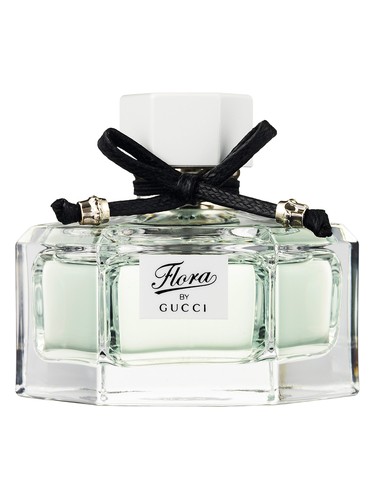
The first spray of Flora by Gucci Eau Fraiche is like stepping into a sun-drenched Italian citrus grove after morning rain. There''s an immediate burst of sparkling bergamot and mandarin, but it''s the kumquat—that tart, slightly bitter little citrus—that gives this opening its distinctive personality. Unlike its richer Eau de Toilette sibling, this eau fraiche interpretation strips away the heaviness, leaving only the most luminous elements. Peony arrives almost simultaneously with those citrus notes, its delicate, watery floral quality blending seamlessly with the zest. This is Gucci at its most casual, most approachable—a rare moment when the storied fashion house chose whisper over proclamation.
The Scent Profile
The composition opens with what can only be described as a citrus symphony. Kumquat leads the charge, supported by bergamot''s refined bitterness, Amalfi lemon''s bright clarity, mandarin''s sweetness, and a whisper of peony that hints at what''s to come. This top accord is thoroughly dominant—the data confirms citrus registers at maximum intensity here—and it lingers longer than you''d expect from an eau fraiche concentration. There''s a juicy, almost edible quality to these opening minutes, like biting into perfectly ripe citrus fruit.
As the initial sparkle begins to settle, the heart reveals its more nuanced character. Water notes emerge, creating an aquatic transparency that feels almost like standing near a fountain in a botanical garden. Green notes add a crisp, stem-like quality—the scent of leaves and petals still attached to their source. Osmanthus, often peachy and apricot-like in other compositions, here reads as subtly fruity and tea-like, never overwhelming. Rose makes its presence known but remains soft-focused, more suggestion than statement. This middle phase is where Flora Eau Fraiche distinguishes itself: it''s floral without being traditionally feminine, fresh without turning soapy.
The base is surprisingly grounded for such an airy composition. Sandalwood provides a creamy, woody foundation that keeps the fragrance from disappearing entirely. Pink pepper adds a gentle spiciness—more texture than heat—while patchouli appears in its lighter, cleaner incarnation rather than its heavy, earthy form. These base notes don''t project dramatically; instead, they create a subtle skin scent that extends the fragrance''s life beyond what you''d typically expect from an eau fraiche.
Character & Occasion
This is a fragrance designed for daylight. Everything about Flora Eau Fraiche speaks to morning meetings, weekend brunches, and summer afternoons. The eau fraiche concentration means it sits close to the skin, never announcing your arrival before you do—perfect for professional environments or intimate gatherings where subtlety matters.
The genius of this composition lies in its true all-season versatility. While many fragrances claim to work year-round, Flora Eau Fraiche actually delivers. In spring, it echoes the season''s fresh blooms and citrus blossoms. Summer heat amplifies its aquatic coolness. Fall''s crispness brings out those green notes and pink pepper. Even winter benefits from its bright optimism on grey days when you need a reminder of warmer weather. It''s adaptable without being generic.
The woman who reaches for this is likely someone who appreciates restraint, who understands that luxury doesn''t always require volume. She might wear statement jewelry but prefers her fragrance to be discovered rather than announced. This isn''t a scent for black-tie evenings or dramatic entrances—it''s for women who move through their days with effortless grace.
Community Verdict
With a solid 3.91 out of 5 rating from over 2,000 votes, Flora by Gucci Eau Fraiche has found its admirers while maintaining realistic expectations. This isn''t a polarizing masterpiece or a revolutionary composition—it''s a well-executed, thoroughly wearable fragrance that delivers exactly what it promises. The rating suggests a fragrance that satisfies without necessarily inspiring passionate devotion, which is perhaps the honest fate of many eau fraiche concentrations. They''re meant to be refreshing companions, not transformative experiences.
How It Compares
Flora Eau Fraiche sits comfortably among a cohort of citrus-floral lightweights that defined early 2010s femininity. Its closest relative is naturally Flora by Gucci Eau de Toilette, which offers a richer, more concentrated expression of similar themes. Light Blue by Dolce & Gabbana shares that Mediterranean citrus freshness but skews more apple-green. Versace''s Bright Crystal and Versense both play in similar aquatic-floral territory, though with different fruity inflections. Chanel''s Chance Eau Fraiche is perhaps the most refined of the group, with a more abstract take on fresh florals.
Where Flora Eau Fraiche distinguishes itself is in that distinctive kumquat note and the particular balance between its citrus intensity and floral softness. It''s neither as sharp as some of its competitors nor as sweet as others—it occupies a pleasant middle ground that makes it easy to wear but perhaps slightly less memorable.
The Bottom Line
Flora by Gucci Eau Fraiche is a competent, pleasant fragrance that knows its lane and stays in it. With citrus and floral accords working in near-perfect balance, it delivers reliable freshness without surprises—and sometimes that''s exactly what you need. The eau fraiche concentration means you''ll want to reapply, but given its accessibility, that''s hardly a burden.
Is it groundbreaking? No. Is it a must-have for fragrance collectors seeking something unique? Probably not. But for someone seeking an everyday fresh floral that works across seasons and situations, that never offends and often charms, this Gucci offering delivers honest value. At its price point, it''s an easy recommendation for those building their first fragrance wardrobe or anyone who simply wants something light, clean, and quietly sophisticated for daytime wear. Consider it if you''ve loved any of its similar fragrances but want something with a touch more Italian ease—and a little less predictability.
AI-generated editorial review