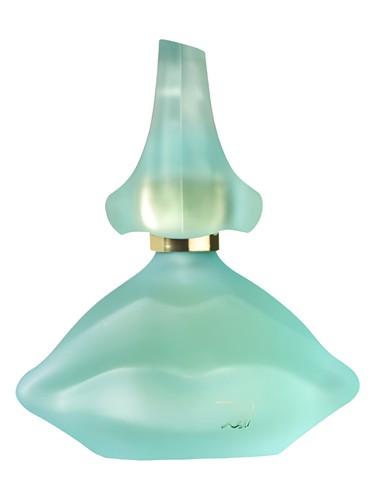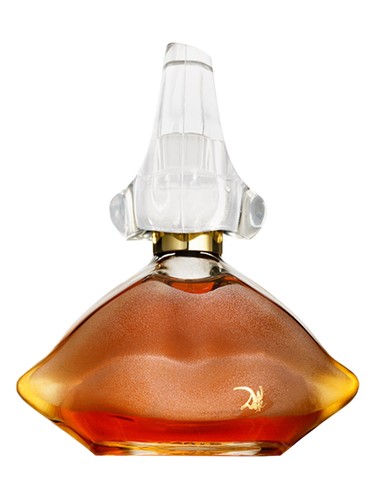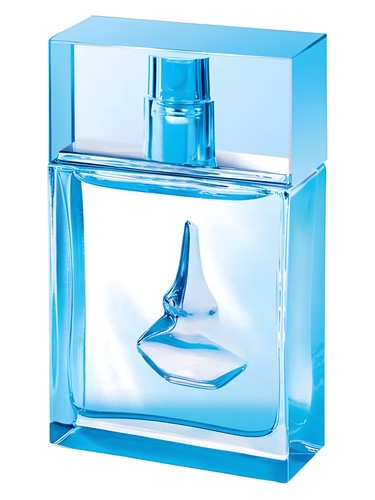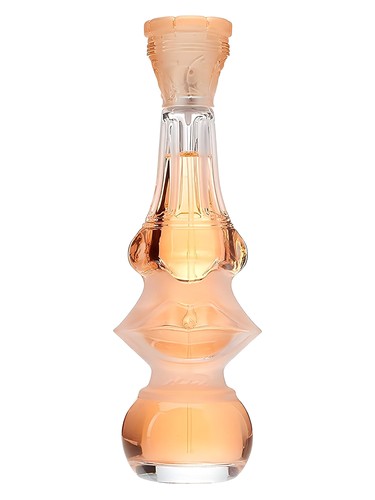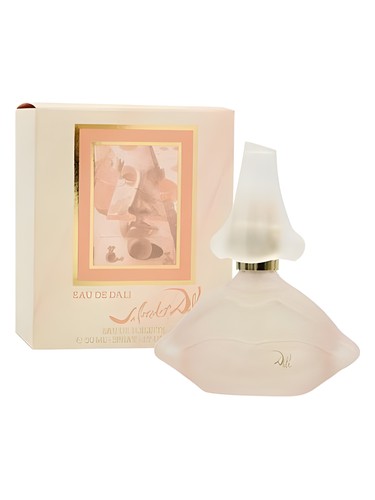
First Impressions
The first spray of Eau de Dali feels like stepping into a sun-drenched Mediterranean garden where citrus trees grow impossibly close to rose bushes—a landscape only Salvador Dali himself might have dreamed up. This is a fragrance that announces itself with unabashed brightness: a cascade of lemon, grapefruit, and bergamot colliding with green leaves and unexpected fruit notes. There''s an almost effervescent quality to the opening, as if someone has just squeezed fresh citrus over dewy foliage. The peach and pineapple add a subtle sweetness that keeps this from veering into sharp territory, instead creating a green-gold luminosity that feels both refreshing and playful.
The Scent Profile
The citrus dominance—rated at a full 100% in its accord profile—isn''t an exaggeration. Eau de Dali opens with a symphony of acidic brightness: lemon and grapefruit lead the charge, their tangy sharpness softened by bergamot''s more refined citrus character. But what makes this opening genuinely interesting is the interplay with green leaves and the tropical sweetness of pineapple and peach. These fruit notes don''t overwhelm; instead, they act as a golden thread weaving through the verdant opening, creating complexity beyond simple citrus cologne territory.
As the fragrance settles into its heart, a classic white floral bouquet emerges—jasmine, lily-of-the-valley, ylang-ylang, and iris create that 58% white floral accord, while rose adds another 50% to the composition. This isn''t a heady, indolic floral experience. Rather, the flowers feel like they''re still attached to their stems, viewed through that initial green-citrus filter. The lily-of-the-valley brings a clean, almost soapy quality, while jasmine adds warmth without heaviness. The iris introduces a subtle powdery dimension (40% powdery accord), giving the composition a soft-focus quality that prevents it from being too sharp or photorealistic.
The base is where Eau de Dali reveals its woody side—65% woody accord coming from sandalwood, cedar, and an intriguing plum tree note. The sandalwood and cedar provide a creamy, grounding foundation, while vanilla and amber add warmth and subtle sweetness. The plum tree note is unexpected, lending a fruity-woody character that echoes the opening''s fruit notes without creating redundancy. This base never becomes heavy or resinous; it remains relatively light and translucent, allowing those citrus and green elements to continue radiating through even in the dry-down.
Character & Occasion
The community data tells a clear story about when Eau de Dali shines: this is overwhelmingly a spring fragrance (81%), with strong summer appeal (65%), while fall and winter appearances drop dramatically to 33% and 16% respectively. The day/night split is even more definitive—100% day, only 17% night. This isn''t a fragrance that adapts to cool weather or evening sophistication; it knows exactly what it is and embraces that identity fully.
This is your companion for morning meetings, weekend brunches, garden parties, and outdoor summer events. It''s professional enough for the office but spirited enough for leisure. The brightness and transparency make it ideal for warm weather when heavier fragrances would feel oppressive. There''s something wonderfully uncomplicated about Eau de Dali—it doesn''t try to be mysterious or seductive. Instead, it offers straightforward, radiant freshness with enough floral and woody depth to feel like an actual perfume rather than a body splash.
Who is this for? Someone who appreciates classic fresh florals but wants something with more personality than generic citrus colognes. It suits those who gravitate toward optimistic, approachable fragrances rather than challenging or avant-garde compositions. Despite bearing Dali''s name, there''s nothing particularly surreal about the juice itself—it''s refreshingly straightforward.
Community Verdict
With a rating of 3.72 out of 5 from 695 votes, Eau de Dali sits comfortably in "well-liked" territory. This isn''t a cult favorite or a divisive masterpiece; it''s a solid performer that delivers exactly what it promises. The rating suggests a fragrance that people appreciate and enjoy without necessarily being passionate about. There are no major flaws indicated by the community response, but neither is there the kind of fervent devotion that pushes ratings above 4.0. For a 1995 release that''s still being worn and reviewed, that consistency speaks to reliable quality and enduring appeal.
How It Compares
The similar fragrances list reads like a who''s who of popular feminine classics: Light Blue by Dolce&Gabbana, Coco Mademoiselle, J''adore, 5th Avenue, and Laguna (another Dali creation). This places Eau de Dali firmly in the crowd-pleasing, accessible luxury category. Where Light Blue leans more aquatic and modern, Eau de Dali feels slightly more traditional with its fuller floral heart. Compared to Coco Mademoiselle''s patchouli-driven sophistication, this is simpler and more straightforward. It shares J''adore''s floral radiance but trades that fragrance''s champagne-like luxury for something more casual and green.
The Bottom Line
Eau de Dali isn''t trying to revolutionize perfumery or make a bold artistic statement—and that''s perfectly fine. What it offers is reliable, beautiful freshness with enough structure to feel complete. The 3.72 rating reflects its nature: this is a good fragrance that many people will like and few will love passionately, but even fewer will dislike. For spring and summer day wear, it delivers citrus-green-floral harmony at what''s typically an accessible price point for a designer fragrance from the mid-90s.
Should you try it? If you''re drawn to fresh, citrus-dominant fragrances with floral hearts and you want something cheerful for warm weather, absolutely. If you''re seeking evening sophistication, cold-weather comfort, or olfactory complexity, look elsewhere. Eau de Dali knows its lane and stays in it with confidence—sometimes that clarity of purpose is exactly what your collection needs.
AI-generated editorial review