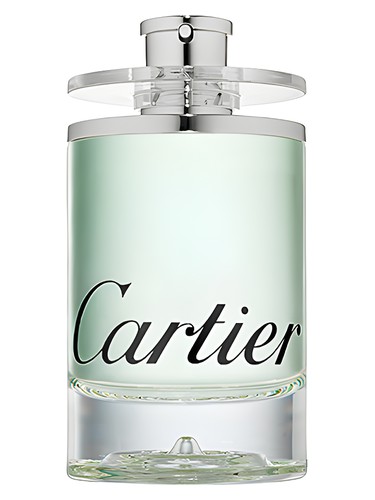
First Impressions
The first spray of Eau de Cartier Concentree is like standing at the edge of a sun-drenched Mediterranean terrace, where the brightness of freshly peeled yuzu meets the herbal warmth of crushed coriander seeds. This is citrus, certainly—the accord registers at full intensity—but it''s citrus with intention, citrus with architecture. There''s an immediate sense of quality here, a naturalness that feels less like a synthetic approximation and more like the actual essence of fruit and spice meeting air. The opening is clean without being clinical, energetic without being aggressive. It''s the kind of introduction that makes you lean in, that makes you understand why Cartier''s name appears on the bottle.
The Scent Profile
That yuzu-coriander opening establishes Eau de Cartier Concentree as something brighter and more complex than your typical fresh fragrance. The yuzu brings a tart, almost grapefruit-like quality, while the coriander adds a subtle spiciness that prevents the citrus from veering into generic territory. This combination creates what the community data identifies as not just citrus, but an aromatic composition with a distinct ozonic quality—that sense of crisp, airy freshness that makes you think of laundered linen and morning light.
As the fragrance settles, the heart reveals itself through violet leaf and lavender. The violet leaf contributes a green, slightly metallic freshness that bridges the gap between the citrus opening and the woody foundation to come. It''s not floral in the traditional sense—this isn''t about petals, but about stems and leaves, about the verdant aspects of the plant. The lavender adds an aromatic herbaceousness, reinforcing that 94% aromatic accord rating while maintaining the overall sense of cleanliness and sophistication.
The base is where Eau de Cartier Concentree attempts to anchor itself with cedar, patchouli, and white amber. The cedar provides the woody backbone that scores at 95% in the accord breakdown, offering a pencil-shaving dryness that''s refined rather than rustic. Patchouli adds an earthy depth, though it never dominates or turns the composition dark. The white amber—likely a modern synthetic accord—contributes a subtle warmth and, in theory, should provide lasting power. This foundation is meant to ground all that brightness, to give the composition staying power and substance.
Character & Occasion
The data tells a clear story: Eau de Cartier Concentree is a summer fragrance first and foremost, with 88% seasonal appropriateness for warm weather and 79% for spring. Only 29% find it suitable for fall, and a mere 16% would reach for it in winter. This is a fragrance that needs heat, that wants sunlight and open air to truly make sense.
The day versus night split is even more definitive—100% for daytime wear, dropping to just 20% for evening occasions. This isn''t a fragrance that aims for seduction or mystery. Instead, it''s about approachability, about presenting a polished, naturally appealing presence during daylight hours. Think summer casual wear, outdoor brunches, warm-weather professional settings where you want to smell present but not imposing.
Though marketed as feminine, the composition shares DNA with several fragrances traditionally positioned for men—L''Eau d''Issey Pour Homme, Terre d''Hermès, even Bleu de Chanel appear in its similarity profile. This speaks to its aromatic, woody character and suggests it could easily be worn by anyone drawn to fresh, citrus-forward compositions with substance.
Community Verdict
Here''s where the conversation becomes complicated. Based on 15 community opinions, Eau de Cartier Concentree receives mixed sentiment with a 6.5/10 score—notably below its broader rating of 3.99/5 from 926 votes. The disconnect is telling.
The pros are genuine and enthusiastic: users consistently praise its luxurious, natural-smelling quality. The inviting, pleasant aroma profile wins people over immediately. Its versatility for summer wear makes it a theoretically perfect warm-weather companion.
But the cons are equally consistent and significantly dampen the enthusiasm: poor longevity and weak staying power top the list of complaints. Multiple users express disappointment that the high price point isn''t justified by the performance. Limited projection and sillage mean this fragrance stays close to the skin—perhaps too close for those expecting a premium experience.
The community summary captures the frustration perfectly: while the fragrance itself is lovely, users expect better staying power at this price level. It''s the classic beautiful-but-fleeting dilemma, where the quality of the scent can''t quite compensate for how quickly it disappears.
How It Compares
Positioned among luminaries like Terre d''Hermès and Bleu de Chanel in its similarity profile, Eau de Cartier Concentree occupies an interesting space. It shares Eau de Cartier''s DNA—in fact, the original appears as its closest relative—but attempts to offer more concentration and depth. Yet the performance issues suggest that concentration may not have translated to actual staying power.
Compared to L''Eau d''Issey Pour Homme, another fresh citrus-aromatic composition, Eau de Cartier Concentree feels more refined but less assertive. Against the mineral earthiness of Terre d''Hermès or the sophisticated freshness of Bleu de Chanel, it holds its own aesthetically but reportedly fades faster.
The Bottom Line
Eau de Cartier Concentree presents a conundrum. At 3.99/5 from nearly a thousand voters, it clearly has admirers. The composition itself is beautiful—genuinely luxurious, naturally rendered, and perfectly pitched for summer days. If longevity weren''t an issue, this would be an easy recommendation for anyone seeking an elevated citrus-aromatic fragrance.
But that''s a significant "if." The community consensus from actual wearers reveals a legitimate concern: you''re paying premium prices for a scent that may not last through lunch. For sample or discovery set consideration, absolutely yes. For blind-buying at full retail, proceed with caution. This is a fragrance best experienced firsthand, where you can judge for yourself whether its beauty justifies its brevity. Those who prioritize scent quality over performance longevity will find much to love. Those who expect their fragrances to earn their price through staying power may walk away disappointed, no matter how lovely the journey begins.
AI-generated editorial review