First Impressions
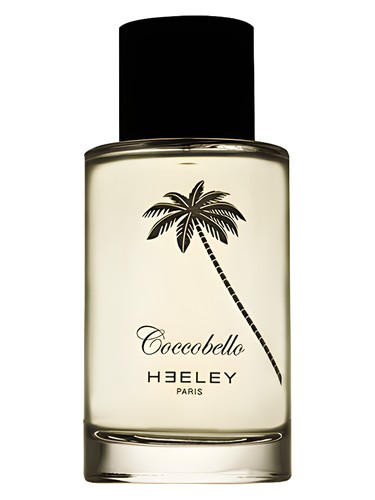
The first spray of Coccobello delivers an immediate contradiction: this is coconut, yes, but not as you''ve come to expect it from the sunscreen aisle. James Heeley opens with palm leaf and gardenia, creating a verdant canopy before the coconut reveals itself. There''s a crispness here, an almost photorealistic quality to the greenery that suggests freshly cut fronds rather than plastic leis. The gardenia adds just enough white floral sophistication to signal that this composition has ambitions beyond simple beach nostalgia. Within moments, you understand that Heeley has created something genuinely different in the crowded tropical category—a coconut perfume for those who''ve grown weary of the genre''s usual clichés.
The Scent Profile
The evolution of Coccobello unfolds like a carefully choreographed dance between opposing forces. Those opening palm leaf notes establish an unmistakably green character—the data shows it registering at 94% in the green accord—that provides the perfect counterbalance to what comes next. The gardenia, creamy and indolic, begins to blur the line between floral and tropical.
As the heart develops, coconut takes center stage with the full force of its 100% accord rating, but it arrives in distinguished company. Sea salt adds a mineral edge that keeps the sweetness in check, while vanilla begins its slow creep into the composition. This isn''t the desiccated coconut of confections, nor the aggressively suntan-lotion version that dominates commercial beach fragrances. Instead, Heeley has captured something closer to fresh coconut water with a hint of the flesh—milky, subtly sweet, with that characteristic lactonic quality (52%) that makes it feel both nourishing and clean.
The salty element—registering at 51%—proves crucial to the fragrance''s success. It prevents the composition from collapsing into simple gourmand territory, maintaining a tension between edible and elemental. You can almost feel the sea breeze.
The base is where Coccobello reveals its pedigree. Sandalwood and Virginia cedar provide a woody foundation (73% woody accord) that gradually asserts itself as the fragrance dries down. Benzoin adds warmth and a subtle resinous sweetness that enhances rather than overwhelms the vanilla (65% vanilla accord). This combination transforms what began as a decidedly summery tropical statement into something with surprising depth and longevity. The woods keep it grounded, preventing it from floating away into pure beach fantasy.
Character & Occasion
The community data tells a clear story: Coccobello is overwhelmingly a summer fragrance (100%), with spring as a distant second (39%). This is not a perfume for cozy winter evenings or fall''s crisp days—though the woody base does give it slightly more versatility than typical tropical offerings. The numbers don''t lie: winter wearers represent just 6% of the audience.
Similarly, this is decidedly a daytime composition, with 92% day wear versus just 19% night. Coccobello thrives in natural light, in casual contexts, in moments when you want to feel effortlessly fresh rather than formally polished. Think weekend brunch, poolside reading, summer garden parties, or that first vacation day when you''re determined to leave work stress behind.
While marketed as feminine, the green opening and woody base give it enough structure that confident wearers of any gender could pull it off. This is particularly true for those who gravitate toward the more unisex tropical offerings in the niche category.
Community Verdict
With 697 votes tallying to a 3.7 out of 5 rating, Coccobello occupies interesting middle ground. This isn''t the universal crowd-pleaser that racks up perfect scores, but neither is it a polarizing experimental piece. The rating suggests a fragrance that rewards specific tastes—those seeking a sophisticated take on coconut will likely rate it higher, while those wanting either a more conventional tropical blast or something entirely different might find it merely pleasant.
The substantial vote count indicates this is a fragrance worth exploring, one that''s attracted enough attention to generate genuine community discourse. That 3.7 represents honest appreciation rather than hype.
How It Compares
Heeley positions Coccobello among distinguished company. The comparisons to Diptyque''s Philosykos and Frederic Malle''s Carnal Flower aren''t accidental—both share that ability to take an obvious note (fig, tuberose) and render it with unusual sophistication. The reference to Creed''s Virgin Island Water makes sense given the shared tropical territory, though Coccobello skews greener and less overtly fruity. The connections to Serge Lutens'' Un Bois Vanille and Datura Noir point to the fragrance''s woody-vanilla foundations, suggesting kinship with perfumes that balance sweetness with substance.
Within the coconut category specifically, Coccobello stands out for its restraint and the prominence of its green facets. Where many coconut fragrances lean gourmand or aggressively beachy, Heeley has crafted something more akin to a green floral that happens to feature coconut rather than a coconut scent decorated with other notes.
The Bottom Line
Coccobello succeeds because it respects both its central ingredient and its wearer''s intelligence. This is coconut for grown-ups, for those who want tropical warmth without sacrificing sophistication. The 3.7 rating reflects its specific appeal—this won''t be everyone''s ideal summer scent, but for those seeking exactly what it offers, it delivers admirably.
It''s best suited for warm-weather lovers who''ve exhausted the obvious options, for fans of green fragrances curious about tropical territory, or for anyone building a summer wardrobe who wants something genuinely different. At its best under the summer sun during daytime hours, Coccobello offers an escape that feels genuine rather than manufactured—a small bottle of well-crafted vacation mindset.
AI-generated editorial review