First Impressions
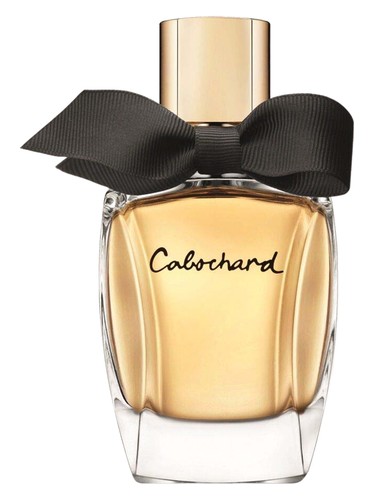
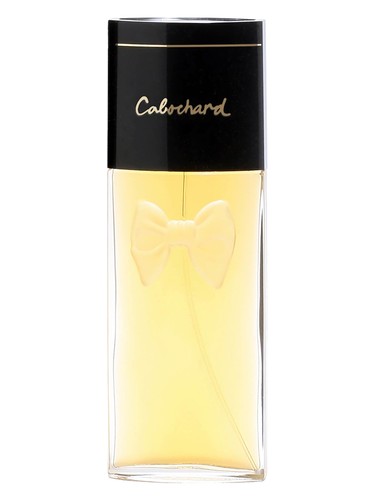
The first spray of Cabochard is an olfactory declaration of independence. A burst of aldehydes collides with sage and tarragon in a way that feels simultaneously refined and rebellious. This isn''t the soft-focus aldehydic shimmer of classic feminines—it''s sharper, greener, tinged with herbal bitterness and an almost medicinal intensity. The opening announces itself with confidence bordering on defiance, as if Bernard Chant (the nose behind this 1959 masterpiece) set out to create something deliberately challenging. There''s a whisper of citrus attempting to soften the edges, but the dominant impression is aromatic, earthy, and unapologetically complex. Within minutes, you understand why Cabochard—French slang for "stubborn"—earned its name.
The Scent Profile
Cabochard''s architecture reveals itself in layers, each more intricate than the last. Those opening aldehydes, rather than evoking soapy florals, act as a crystalline framework for the unusual herb blend. Sage and tarragon create an almost culinary greenness, while the presence of asafoetida (rarely used in Western perfumery) adds a mysterious, faintly sulfurous edge that keeps the composition from veering into conventional territory. Spices weave through this opening act, warming the cool herbal notes with an undercurrent of heat.
As the fragrance settles into its heart, a classic floral bouquet emerges—but one that''s been fundamentally transformed by its unconventional surroundings. Geranium brings its green, slightly metallic rose facets forward, while orris root contributes a powdery, almost earthy elegance. Rose and jasmine appear, but they''re muted, supporting players rather than stars. Ylang-ylang adds a creamy richness that hints at the opulence to come, but even here, the florals feel restrained, almost austere.
The base is where Cabochard truly reveals its character. Leather emerges as a dominant force—not the buttery suede of modern interpretations, but a dry, almost bitter leather with tobacco-stained edges. Oakmoss grounds everything with its quintessentially chypre earthiness, while vetiver and patchouli add layers of woody, slightly smoky depth. Sandalwood and musk provide a subtle warmth, and amber glows quietly beneath. Most intriguingly, a whisper of coconut appears in the far drydown—not tropical or sweet, but contributing a creamy, almost lactonic quality that softens the composition''s austere edges without compromising its integrity.
Character & Occasion
This is unquestionably a cold-weather fragrance. The community consensus places it firmly in fall territory (100%), with strong winter appeal (74%), while summer wearability drops to a mere 23%. The woody-earthy-aromatic character simply demands cooler temperatures to truly shine. In heat, Cabochard''s complexity can turn heavy; in autumn''s crisp air, it becomes magnificent.
Despite its intensity, Cabochard leans surprisingly toward daytime wear (85%), though it transitions gracefully into evening (70%). This versatility speaks to its fundamental sophistication—it''s powerful without being loud, complex without being chaotic. Picture it in a wood-paneled library, at an art gallery opening, during a brisk morning walk through fallen leaves, or accompanying a structured wool coat and leather boots.
This is a fragrance for those who appreciate perfumery''s heritage and aren''t afraid of boldness. It demands confidence and suits those who view fragrance as personal expression rather than social lubricant. The modern wearer who reaches for Cabochard is likely comfortable with vintage aesthetics, appreciates complexity over immediate likability, and has little interest in smelling conventionally "pretty."
Community Verdict
With a rating of 3.98 out of 5 from 2,998 votes, Cabochard occupies an interesting position. This isn''t the near-universal acclaim of crowd-pleasers, nor is it polarizing enough to dip below respectability. Instead, it''s a solidly respected fragrance that rewards those who give it time and attention. The rating suggests a composition that enthusiasts admire more than casual wearers might embrace—and that seems entirely appropriate for a fragrance this uncompromising. Nearly 3,000 voters represent a substantial community of advocates, speaking to Cabochard''s enduring relevance more than six decades after its creation.
How It Compares
Cabochard sits within the legendary lineage of bold, mossy, intellectual feminines. Its kinship with Clinique''s Aromatics Elixir is unmistakable—both share that earthy, aromatic intensity and refusal to flatter conventionally. Estée Lauder''s Knowing channels similar woody sophistication, while Paloma Picasso perfume shares the leather-chypre DNA. The comparison to Guerlain''s Mitsouko places Cabochard within the upper echelons of chypre perfumery, while Magie Noire by Lancôme represents another sibling in the "dark, mysterious, unapologetically bold" family.
What distinguishes Cabochard is its particular herbal-aromatic opening and the distinctive leather-tobacco character of its base. Where Mitsouko emphasizes peach and spice, Cabochard goes greener and drier. It''s perhaps the most overtly aromatic of its peer group, with that sage-tarragon combination creating something genuinely unique.
The Bottom Line
Cabochard isn''t for everyone—and that''s precisely its strength. In an era when "mass appeal" often translates to "inoffensive simplicity," this 1959 creation remains defiantly complex, challenging, and rewarding. Its near-4-star rating from thousands of voters confirms that while it won''t win every heart, it captures the devotion of those who appreciate perfumery as art rather than accessory.
Should you try it? Absolutely, if you''re drawn to vintage chypres, appreciate woody-earthy compositions, or want to understand what "bold feminine" meant before the term was diluted. Be prepared for something that demands attention and rewards patience. This isn''t a first-date fragrance or a safe office scent—it''s what you wear when you want to feel grounded, sophisticated, and entirely yourself. For those who connect with its stubborn elegance, Cabochard becomes not just a fragrance, but a signature.
AI-generated editorial review