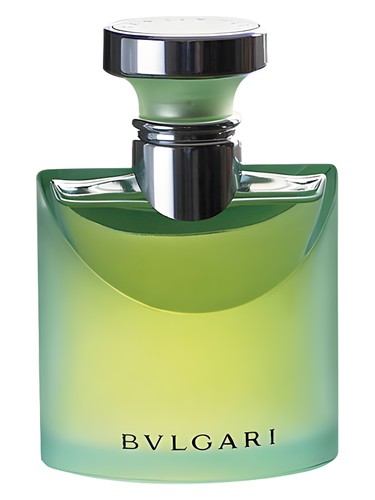
First Impressions
The first mist of Bvlgari Eau Parfumee au The Vert Extreme delivers an electrifying contradiction: the sharp brightness of bergamot colliding with the warm bite of pepper and coriander. This isn''t the polite, apologetic freshness that dominated the mid-90s. Instead, it announces itself with conviction—a sun-drenched citrus wave laced with spice, almost aggressive in its vivacity. The orange and orange blossom weave through this opening like golden threads, softening the edges just enough to remind you that beneath all this energy lies genuine sophistication. Within seconds, you understand the "Extreme" designation isn''t marketing hyperbole.
The Scent Profile
The composition unfolds with bergamot leading the charge, its aromatic brightness amplified rather than mellowed by the unexpected presence of black pepper and coriander. These spices—registering at 75% fresh spicy and 45% warm spicy in the accord breakdown—create a prickly halo around the citrus core. Orange and orange blossom (contributing to that 52% white floral accord) add dimensional sweetness, preventing the opening from becoming too austere.
As the initial effervescence settles, cardamom emerges as the transitional note, its eucalyptus-like coolness bridging the gap between the explosive top and the more contemplative heart. Here, jasmine and Bulgarian rose make their appearance, but they''re not the stars of this show. These florals remain subdued, almost transparent, providing texture rather than volume. They support rather than dominate, allowing the composition''s true aromatic character (67% in the accord breakdown) to shine through.
The base is where Bvlgari''s vision crystallizes. Green tea—listed among the base notes rather than as a fleeting top accent—provides a delicate astringency that grounds everything that came before. It''s not overtly grassy or vegetal; instead, it offers a subtle, almost meditative bitterness that plays beautifully against woody notes providing structure. This isn''t a linear scent that screams "green tea" from start to finish. Rather, the tea accord emerges gradually, like watching leaves unfurl in hot water, revealing its character through patience rather than force.
The composition maintains its citrus dominance (100% in the accord breakdown) throughout its evolution, but it''s the interplay between bright, spicy, aromatic, and green elements that creates its distinctive personality. The 49% green accord never overwhelms the freshness; it complements it, adding depth to what could have been a simple cologne-style splash.
Character & Occasion
The data tells an unambiguous story: this is a summer fragrance first and foremost (92%), with strong spring credentials (77%) and only marginal appeal during cooler months. It''s also decisively a daytime scent (100% day versus 19% night), and these numbers make perfect sense once you''ve experienced the juice.
This is the fragrance of sun-bleached terraces, citrus groves in morning light, and crisp linen shirts. It thrives in heat, where its spicy accents prevent it from becoming just another refreshing spray. The pepper and coriander give it personality that survives humidity, while the green tea base provides a cooling effect that feels almost therapeutic on sweltering days.
Despite its feminine classification, the composition''s aromatic and spicy character gives it considerable versatility. The citrus-spicy profile shares DNA with traditionally masculine constructions, making it an excellent choice for anyone drawn to bright, energetic freshness regardless of gender conventions. It''s particularly well-suited to professional environments where you want to project cleanliness and energy without overwhelming colleagues in close quarters.
The 15% winter rating speaks to its limitations: this isn''t a fragrance that adapts well to cold weather. The composition lacks the density and warmth needed to perform when temperatures drop, and its essential character feels discordant with heavy layers and indoor heating.
Community Verdict
With 709 votes yielding a 4.15 out of 5 rating, Bvlgari Eau Parfumee au The Vert Extreme enjoys strong community support. This score, while not stratospheric, reflects genuine appreciation from a substantial user base. It''s worth noting that fresh, citrus-dominant fragrances rarely achieve the passionate devotion that richer, more complex compositions inspire—their very nature makes them more universally acceptable but less likely to become obsessive favorites.
The rating suggests a fragrance that consistently delivers on its promise without necessarily creating transcendent experiences. It''s a workhorse scent with artistic merit, reliable rather than revolutionary, yet clearly beloved by those who''ve discovered it.
How It Compares
The similar fragrances list reveals interesting company. Eau Parfumee au The Vert (the original, non-Extreme version) obviously shares the closest DNA, though this Extreme iteration amplifies the spicy elements. The three Hermès garden fragrances—Un Jardin en Méditerranée, Un Jardin Sur Le Nil, and even Terre d''Hermès—speak to a shared aesthetic: botanical compositions that prioritize natural freshness over synthetic sweetness. The inclusion of Coco Mademoiselle seems initially surprising until you consider both fragrances'' mastery of citrus-spicy openings, though they diverge dramatically in their development.
Within the green tea fragrance category that Bvlgari essentially created and dominated throughout the late ''90s and early 2000s, the Extreme version stands as perhaps the most assertive expression. Where many tea-based scents whisper, this one projects.
The Bottom Line
Bvlgari Eau Parfumee au The Vert Extreme earns its 4.15 rating through honest craftsmanship and clear vision. It''s not trying to be everything to everyone—the seasonal and day/night data confirm its specificity. What it does, it does exceptionally well: providing sophisticated, spicy-fresh relief when heat demands it.
Nearly three decades after its 1996 release, it remains relevant precisely because it doesn''t chase trends. The composition feels neither dated nor desperate to modernize. It simply exists as a beautifully executed expression of citrus-aromatic freshness with enough spice and tea-inflected bitterness to distinguish it from countless generic fresh scents.
Should you try it? If you gravitate toward Hermès''s garden compositions or wish your citrus fragrances had more backbone, absolutely. If you need a reliable warm-weather scent that works in professional settings without smelling corporate, this deserves consideration. However, if you prefer richer, more enveloping fragrances or need something for cooler months, look elsewhere. This is a specialist, not a generalist—and that''s precisely its strength.
AI-generated editorial review