First Impressions
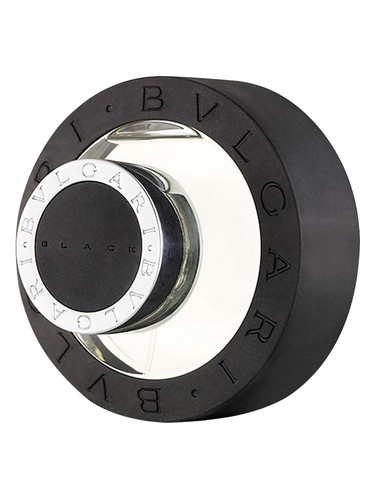
The first spray of Bvlgari Black is a study in contradictions—and that''s precisely the point. As the fragrance settles onto skin, there''s an immediate collision of civilized green tea and bergamot with something far more primal lurking beneath. Within moments, the leather accord announces itself with unapologetic dominance, not the buttery smoothness of suede, but something closer to industrial rubber and burnt motor oil. Yet before this metallic beast can intimidate, a whisper of vanilla begins to curl around its edges. It''s an opening that demands attention, a 1998 manifesto that feminine fragrance need not be delicate, predictable, or particularly well-behaved.
The Scent Profile
Bvlgari Black unfolds like a carefully orchestrated provocation. The top notes of green tea, bergamot, and rose create an unexpected entry point—fresh, almost polite, with the green tea lending a subtle smokiness that serves as the first hint of what''s to come. The rose, far from romantic, feels compressed and modern, more metallic petal than garden bloom.
As the heart reveals itself, the fragrance''s true architecture emerges. Sandalwood and cedar provide a woody skeleton, their aromatic warmth offering structure without softness. Jasmine threads through this wooden frame, but it''s jasmine with an edge—indolic and faintly animalic, stripped of its typical sweetness. This is where Black begins to feel like an urban landscape rather than a pastoral dream.
The base notes are where Bvlgari Black stakes its claim to cult status. Leather dominates at 100% intensity in the accord profile, a synthetic, almost tire-like quality that evokes everything from new car interiors to motorcycle jackets. But the genius lies in the counterbalance: vanilla at 79% sweetness wraps around this industrial leather like cashmere around steel. Amber and musk add warmth and sensuality, while oakmoss—that classic chypre element—grounds the composition with earthy depth. The result reads as 62% powdery and 61% animalic, a combination that manages to feel both intimate and alien, soft and aggressive, familiar and thoroughly strange.
Character & Occasion
The data tells a clear story: Bvlgari Black is a cold-weather creature. With 94% suitability for fall and 93% for winter, this is emphatically not a fragrance for humid summer days (just 18% summer approval confirms this). The heavy leather and vanilla combination needs crisp air to breathe, thriving when temperatures drop and you want something substantial clinging to your coat collar.
While 64% of wearers find it appropriate for daytime, the 100% night approval rating reveals where Black truly excels. This is a fragrance for après-dark adventures—dinner reservations, gallery openings, late nights that blur into early mornings. It''s too distinctive, too deliberately provocative for bland corporate settings, but perfect for situations where you want your presence felt before you speak.
Officially marketed as feminine, Black has long transcended gender boundaries. The leather and woody accords (52% intensity) give it a traditionally masculine backbone, while the vanilla and powdery elements maintain connection to feminine fragrance conventions. The result is a scent that belongs to anyone drawn to olfactory rebellion.
Community Verdict
The Reddit fragrance community shows genuine enthusiasm for this composition, with an overall positive sentiment scoring 7.5/10. However, a crucial detail emerges: much of the discussion centers on "Black Pepper by Comme des Garcons" rather than Bvlgari Black specifically, suggesting some community confusion or data cross-contamination. Setting that aside, the feedback pattern still offers insights.
Users praise its "strong, rich, and unique scent profile" and highlight its versatility for layering with floral and softer fragrances—a testament to how that leather-vanilla duality can play well with others. The emphasis on sampling before committing to a full bottle is telling; this isn''t a safe blind buy, and the community knows it.
The primary frustrations have nothing to do with the fragrance itself. Complaints focus on "difficult website experience," "limited sample availability," and "mobile ordering issues"—practical barriers to access rather than olfactory disappointments. This suggests that when people can actually get their hands on it, satisfaction follows.
How It Compares
Bvlgari Black occupies fascinating territory in the leather fragrance landscape. The data positions it alongside heavyweights like Shalimar Eau de Parfum, Fahrenheit, and Hypnotic Poison—all iconoclastic fragrances that challenged conventions in their respective eras.
Where Fahrenheit leans into gasoline and violet, and Hypnotic Poison drowns in almond and vanilla, Black finds a middle path. It shares Shalimar''s animalic warmth but trades incense for industrial edge. The Aventus comparison is more curious, suggesting perhaps a shared intensity of character rather than olfactory similarity.
What sets Black apart is its refusal to choose sides. It''s neither purely masculine leather nor traditionally feminine vanilla gourmand—it''s both, neither, and something else entirely.
The Bottom Line
With a 4.12/5 rating from nearly 6,000 voters, Bvlgari Black has clearly found its audience. This isn''t a fragrance that wins through mass appeal or easy wearability—it wins through distinctiveness and refusal to compromise.
At over two decades old, Black remains relevant precisely because it never chased trends. Its rubber-leather-vanilla blueprint still feels modern, still provokes reactions, still divides opinion cleanly between devotion and bewilderment. That''s the mark of a fragrance with genuine identity.
Should you try it? If you''re drawn to safe, likeable fragrances, probably not. If the idea of smelling like burnt vanilla rubber wrapped in smoke appeals to your sense of adventure, absolutely. Sample first—this is non-negotiable given its polarizing nature—but approach with an open mind. Bvlgari Black doesn''t ask for your approval. It simply exists, unapologetically itself, waiting for those who recognize a kindred spirit in its contradictions.
AI-generated editorial review