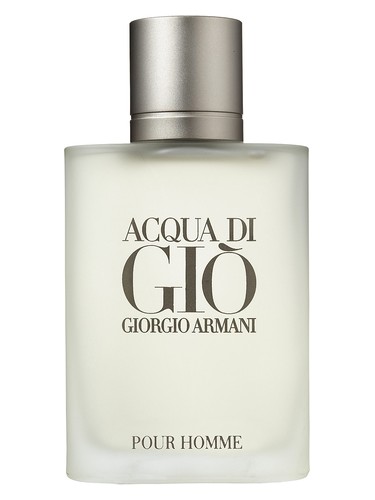
First Impressions
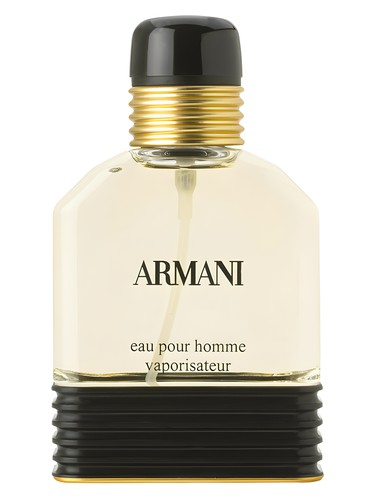
The first spray of Armani Eau Pour Homme delivers exactly what Giorgio Armani promised when he launched this fragrance in 1984: impeccable Italian elegance bottled. A brilliant burst of citrus—lemon, bergamot, mandarin orange, and green orange—hits the skin with crystalline clarity, immediately cut through with the herbaceous bite of basil. This isn''t the sweet, approachable citrus of contemporary crowd-pleasers. This is sharp, sophisticated, and unapologetically European. Within seconds, you understand why this became the scent of tailored suits and Mediterranean summers, a fragrance that spoke to men who valued restraint over ostentation.
The Scent Profile
The opening is dominated by that citrus quartet, creating a composition that registers at 100% on the citrus accord scale—and you feel every percentage point. The lemon leads with its tart brightness, while bergamot adds Earl Grey sophistication. Mandarin orange and green orange provide texture and complexity, preventing the opening from becoming one-dimensional. The basil is crucial here, contributing to that 54% aromatic accord rating and adding an herbal, almost culinary quality that signals this fragrance''s Mediterranean soul.
As the citrus begins its inevitable fade—citrus notes are notoriously fleeting—the heart reveals surprising depth. Lavender emerges as the primary floral-aromatic anchor, surrounded by an unexpected bouquet of carnation, jasmine, lily, and rose. This isn''t a feminine floral heart, despite the roster; instead, these notes contribute to a spicy-aromatic warmth. Nutmeg and cinnamon join them, accounting for that 49% fresh spicy accord and adding a subtle heat that prevents the fragrance from becoming too cool or aloof. The carnation, in particular, adds a peppery, old-school masculinity that ties this firmly to its 1980s origins.
The base is where Armani Eau Pour Homme reveals its true architecture. Oakmoss—that endangered darling of classic perfumery—forms the foundation, contributing significantly to the 22% mossy accord and the 30% earthy character. Vetiver adds its distinctive grass-root bitterness, while cedar and sandalwood provide woody backbone (48% woody accord). Musk softens the edges, and patchouli adds earthy depth without overwhelming. This base structure is decidedly old-school, harking back to the great fougères and chypres that defined masculine perfumery before aquatics changed everything.
Character & Occasion
The data tells a clear story about when and where this fragrance thrives: it''s overwhelmingly a warm-weather, daytime scent. Spring scores an impressive 88%, summer follows closely at 85%, while winter limps in at just 34%. Day wear registers at a perfect 100%, though it maintains a respectable 46% for evening occasions. These aren''t arbitrary numbers—they reflect the fragrance''s DNA.
This is the scent of linen shirts and stone terraces, of morning meetings and afternoon aperitivos. The citrus-aromatic profile is too bright, too sharp for winter''s heavy clothing and indoor heating. It needs air, movement, warmth. Wear it to the office when you want to project competence without aggression. Wear it on weekend errands when you want to feel pulled-together without trying too hard. It''s appropriate for first dates and business lunches, gallery openings and garden parties.
Who should wear it? Men who appreciate restraint, who understand that sophistication often means knowing when to dial it back. This isn''t for teenagers or those seeking maximum projection and compliments. It''s for the man who''s comfortable in his own skin and doesn''t need his fragrance to announce his presence before he enters a room.
Community Verdict
With a rating of 4.26 out of 5 from 1,690 votes, Armani Eau Pour Homme has earned genuine respect from the fragrance community. That''s a remarkable achievement for a fragrance pushing forty years old, competing in an era of synthetic innovations and marketing hype. This isn''t a cult classic with a small, devoted following—nearly 1,700 people have weighed in, and the overwhelming majority approve. That rating puts it firmly in "very good" territory, suggesting a fragrance that delivers on its promises without major flaws or polarizing elements. It''s not perfect—no fragrance is—but it''s clearly doing something right for a broad spectrum of wearers.
How It Compares
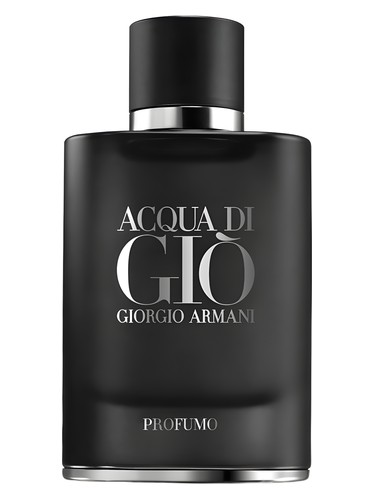
The similar fragrances list reads like a who''s who of citrus-aromatic excellence: Eau Sauvage by Dior, L''Eau d''Issey Pour Homme, Terre d''Hermès, Guerlain''s Vetiver, and Armani''s own Acqua di Gio. These comparisons are telling. Eau Sauvage shares that sharp citrus-herbal opening and classic structure. L''Eau d''Issey leans more aquatic and modern. Terre d''Hermès is earthier and more overtly mineral. Guerlain Vetiver is cleaner and more focused on that single note. Acqua di Gio, Armani''s later blockbuster, took the citrus-aquatic idea in a sweeter, more mass-appealing direction.
Where does Armani Eau Pour Homme stand? It''s perhaps the most classically structured of the group, the one most indebted to traditional perfumery. It lacks Acqua di Gio''s commercial accessibility but offers greater sophistication. It''s less revolutionary than Eau Sauvage but more wearable for modern audiences.
The Bottom Line
Armani Eau Pour Homme deserves its 4.26 rating. This is craftsmanship over creativity, refinement over revolution. It won''t blow your mind with innovation, but it will make you smell like someone who understands quality. For those building a fragrance wardrobe, this represents an essential archetype: the Mediterranean citrus-aromatic done with Italian elegance.
Value-wise, it typically retails at mid-range prices, which seems fair for what you''re getting—a well-constructed classic from a prestige brand. Should you blind-buy it? If you love citrus fragrances and appreciate vintage-inspired scents, probably yes. If you prefer sweet, heavy, or ultra-modern fragrances, sample first.
Who should try it? Anyone interested in fragrance history, anyone building a spring-summer rotation, anyone who wants to understand what sophisticated masculine perfumery smelled like before focus groups took over. This is Armani when Armani meant something—precision, elegance, and timeless Italian style.
AI-generated editorial review