First Impressions
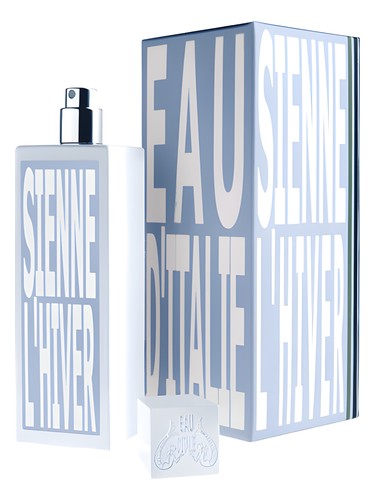
The first spray of Sienne l'Hiver feels like stepping off a sun-drenched Tuscan piazza into the cool shade of an ancient forest. There's an immediate verdant rush—fern and violet leaf deliver a chlorophyll-green opening that's surprisingly sharp and modern for a fragrance released in 2006. This isn't the Siena of Renaissance frescoes and burnt sienna facades. This is Siena in winter, when the countryside reclaims its wild character and the earth speaks louder than the architecture.
Geranium adds a fresh spicy kick that the community has identified as this fragrance's dominant accord at 100%. It's not the soapy geranium of classic florals, but something more untamed—minty, almost metallic, with an aromatic bite that signals this feminine fragrance has no intention of playing by conventional rules.
The Scent Profile
The opening act of fern, violet leaf, and geranium is an exercise in green contrast. Fern brings its forest floor dampness, violet leaf contributes a cucumber-like freshness with subtle bitterness, while geranium provides the aromatic bridge between green and spicy. This combination creates that 58% green and 77% aromatic character that defines the fragrance's personality—it's decidedly natural, yet composed with enough restraint to feel refined rather than raw.
Then comes the heart, and with it, one of perfumery's most daring moves: truffle. Paired with iris and olibanum, this trio transforms Sienne l'Hiver from an interesting green scent into something genuinely unusual. The truffle note contributes significantly to that 63% earthy accord, adding a humid, almost fungal richness that shouldn't work in a feminine fragrance—yet somehow does. Iris provides its signature powdery rootiness, doubling down on the earth theme while adding elegance. Olibanum (frankincense) brings resinous depth and that unmistakable incense quality that prevents the composition from becoming too heavy or soil-bound.
The base is where Sienne l'Hiver settles into its amber-woody foundation. Hay continues the rural narrative with its coumarin-laced warmth—sweet, but in a dried-grass way that feels more barnyard than bakery. Labdanum delivers that 47% amber accord, offering leathery, resinous depth without overwhelming sweetness. Guaiac wood rounds out the 44% woody character with its smoky, slightly medicinal quality that reinforces the fragrance's earthy sophistication.
This is a linear fragrance in the best sense—it doesn't morph dramatically but rather deepens, like watching afternoon shadows lengthen across a hillside. The spicy-aromatic-earthy trinity remains consistent from first spray to final fade.
Character & Occasion
The community data tells a clear story: Sienne l'Hiver is a transitional season specialist. With 72% favoring fall, 59% spring, and 57% winter, this is decidedly not a summer scent (only 30% approval). That makes perfect sense. The earthy truffle, the hay, the resinous depth—these are cool-weather companions that would feel suffocating in heat but come alive when there's a bite in the air.
The day-to-night split is even more dramatic: 100% day versus just 19% night. Sienne l'Hiver is a daylight fragrance through and through. It's for walks through autumn markets, spring mornings in the garden with soil under your fingernails, winter afternoons in a library that smells of old wood and frankincense. It lacks the projection and intensity typically associated with evening wear, instead offering an intimate, close-to-skin experience that rewards the wearer more than those around them.
Labeled feminine, but the earthy, aromatic profile makes it thoroughly unisex territory. This is for anyone who finds conventional florals boring and gourmands cloying—those who want their fragrance to smell like nature rather than a recreation of it.
Community Verdict
With 389 votes landing at 3.78 out of 5, Sienne l'Hiver sits in that interesting middle ground—well-liked but not universally adored. That rating suggests a fragrance with a specific point of view, one that resonates deeply with its target audience while potentially alienating those seeking safer territory. Nearly four stars from nearly 400 voters indicates a composition that's technically accomplished and artistically interesting, even if it's not reaching for mainstream appeal.
This is exactly the kind of rating that makes a fragrance worth exploring. Sky-high ratings often indicate crowd-pleasers; mid-to-high ratings can signal something more challenging and ultimately more rewarding.
How It Compares
The similar fragrances list reads like a who's-who of earthy, unconventional compositions. L'Air du Desert Marocain and Ambre Sultan from Tauer and Serge Lutens respectively share that resinous, spicy-earthy quality. Encre Noire brings vetiver-forward earthiness. Fille en Aiguilles offers coniferous forest vibes, while Un Jardin Sur Le Nil provides green, vegetable freshness.
What distinguishes Sienne l'Hiver is its truffle note and that particular combination of Italian countryside references. Where Encre Noire goes dark and moody, Sienne l'Hiver stays brighter and more aromatic. Where the Hermès goes aquatic-green, this goes soil-green. It occupies a unique position: earthy but elegant, unusual but wearable.
The Bottom Line
Sienne l'Hiver is not a fragrance for someone seeking their first "signature scent" or a safe office-appropriate option. It's for the perfume wearer who's moved beyond the obvious, who appreciates that beauty can smell like forest floor and aged wood, truffle and hay. At 3.78 stars, it's a well-executed artistic statement rather than a universally flattering composition—and that's precisely its appeal.
If you're drawn to the fragrances in its comparison set, if you live for fall and spring, if you prefer your scents complex and nature-rooted rather than pretty and polished, Sienne l'Hiver deserves time on your skin. It captures something genuinely difficult: the smell of a specific place in a specific season, without resorting to cliché or compromise.
AI-generated editorial review