First Impressions
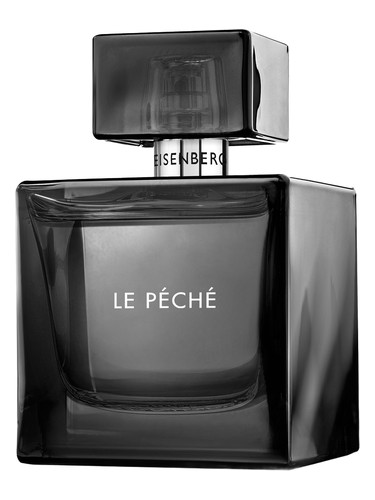
The first spray of Le Peche Homme delivers something unexpected: a wave of white florals so pronounced that you might double-check the bottle to confirm this is indeed marketed as a masculine fragrance. Osmanthus leads the charge with its peculiar apricot-like sweetness, immediately joined by the tropical warmth of hibiscus and the heady indolic character of African orange flower. This isn''t the timid sprinkling of lavender or bergamot that typically announces a men''s scent. This is a full-throated floral declaration, and Eisenberg clearly doesn''t care whether you think that''s appropriate for a masculine composition or not.
What emerges in those crucial first minutes is a fragrance that occupies a fascinating space between traditional gender boundaries. The florals are lush and unapologetic, yet there''s an underlying earthiness that prevents this from veering into traditionally feminine territory. It''s powdery without being cosmetic, sweet without being cloying, and immediately captivating in its refusal to play by conventional rules.
The Scent Profile
The top notes maintain their floral intensity for a surprisingly long development period. That osmanthus remains the star player, its distinctive character hovering between fruit and flower, while the African orange flower adds a creamy, almost narcotic sweetness. The hibiscus, less commonly encountered in men''s fragrances, contributes a subtle tea-like quality that adds complexity to what could otherwise be an overwhelming opening.
As Le Peche Homme transitions into its heart, jasmine emerges to reinforce the white floral accord that dominates this composition at 83%. But here''s where Eisenberg''s skill becomes apparent: the jasmine is tempered by amber''s warmth and vanilla''s rounded sweetness. These aren''t the heavy, syrupy notes that might bog down the composition. Instead, they act as bridges between the effusive florals and the woody foundation waiting beneath. The amber brings a subtle resinous quality, while the vanilla adds just enough gourmand softness to make the florals feel wearable rather than ornamental.
The base is where Le Peche Homme finally reveals its masculine credentials in a more traditional sense. Sandalwood and vetiver provide creamy, earthy anchors, while patchouli adds its characteristic darkness. Musk rounds everything out with a skin-like intimacy that pulls the entire composition closer to the body. Yet even here, at 73% woody and 60% musky, those florals never fully retreat. They hover above the base like a memory, ensuring this fragrance maintains its distinctive character from first spray to final dry-down.
Character & Occasion
The community data reveals Le Peche Homme as primarily an autumn and winter fragrance, with fall scoring 100% and winter at 72%. This makes perfect sense given the composition''s richness and the powdery, warm quality of those floral notes layered over woody bases. Yet spring remains viable at 70%, suggesting this isn''t exclusively cold-weather territory. Summer, at 47%, is where discretion might be advised—those dense florals could become overwhelming in genuine heat.
The day-versus-night breakdown tells an interesting story: while it''s perfectly wearable during daylight hours at 61%, Le Peche Homme truly comes alive at night, scoring a remarkable 97%. This is a fragrance that thrives in intimate settings, dimmed lighting, and cooler evening air. It''s for the man comfortable enough in his masculinity to wear something genuinely different—something that will prompt questions and compliments rather than fade into the background of office-appropriate anonymity.
This isn''t a fragrance for the timid or the conventional. It''s for someone who appreciates the artistry in perfumery and doesn''t need their scent to announce traditional masculinity through the usual arsenal of citrus, woods, and spice.
Community Verdict
With a solid 4.15 out of 5 rating based on 369 votes, Le Peche Homme has clearly found its audience. This isn''t a niche fragrance with a dozen devotees inflating its score, nor is it a mass-market pleaser with thousands of tepid reviews. The voting pool suggests a fragrance that appeals to those who seek it out—people who''ve heard whispers about Eisenberg''s unusual masculine and decided to explore for themselves.
That rating places it firmly in "very good" territory, indicating that while it may not achieve universal acclaim, those who connect with its unconventional approach tend to appreciate it deeply. The number of votes also suggests staying power; released in 2010, Le Peche Homme continues to attract new wearers more than a decade later.
How It Compares
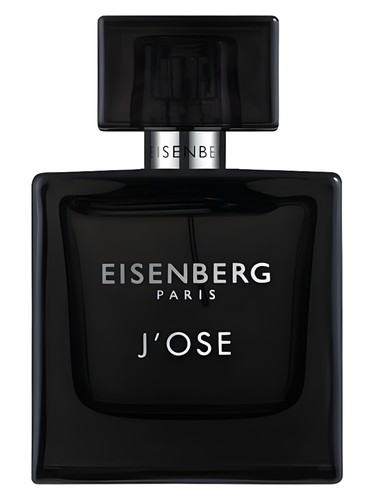
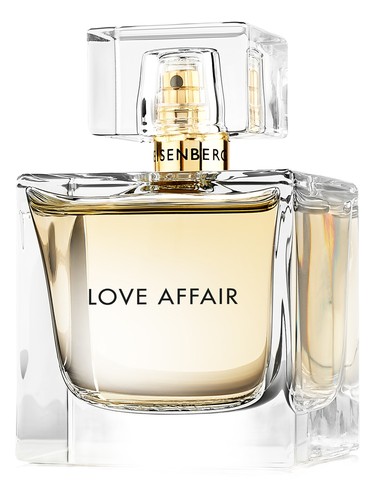
The comparison to Tom Ford''s Black Orchid is particularly telling—both fragrances share that bold, gender-blurring approach to florals in what are ostensibly masculine compositions. The connection to Yves Saint Laurent''s Opium Pour Homme and Chanel''s Egoiste places Le Peche Homme in distinguished company, aligning it with other fragrances that challenged masculine conventions in their time. Within Eisenberg''s own lineup, Love Affair Homme and J''ose suggest a brand comfortable with pushing boundaries in the masculine category.
Where Le Peche Homme distinguishes itself is in that osmanthus-forward opening and the sustained white floral presence throughout its development. It''s perhaps more overtly floral than any of its comparisons, making it the boldest choice for someone seeking this aesthetic.
The Bottom Line
Le Peche Homme is not a safe blind buy. It''s too distinctive, too uncompromising in its floral intensity for that. But for the right wearer—someone tired of the same aromatic fougères and fresh aquatics, someone seeking a conversation piece that still maintains sophistication—this is absolutely worth exploring. The 4.15 rating reflects genuine appreciation from those who understand what Eisenberg was attempting here.
Sample this before committing to a full bottle, ideally in cooler weather and with evening plans ahead. If you''ve ever wondered what a truly floral masculine could be, Le Peche Homme provides a compelling, expertly crafted answer.
AI-generated editorial review