First Impressions
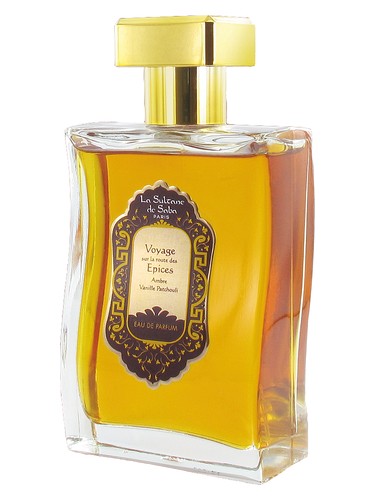
The first encounter with Voyage sur la route des Épices ("Journey on the Spice Road") doesn't announce itself with a whisper—it arrives with purpose. That initial spray delivers an unexpected jolt of camphor, medicinal and cooling, tempered immediately by the citric brightness of bergamot. It's a curious introduction, one that suggests this won't be a straightforward gourmand despite what's waiting beneath the surface. La Sultane de Saba has crafted something that evokes both the apothecary's cabinet and the merchant's caravan, a duality that makes those first few moments genuinely intriguing. The camphor fades quickly, like morning mist burning off to reveal the landscape below, and what emerges is nothing short of sumptuous.
The Scent Profile
The architecture of this fragrance is deceptive. While the opening camphor-bergamot combination suggests complexity and restraint, the heart reveals La Sultane de Saba's true intentions. Here, patchouli anchors a surprisingly harmonious quartet with rose, sandalwood, and lily-of-the-valley. The patchouli isn't the earthy, damp variety—it's been polished and refined, contributing to that 56% patchouli accord rating without dominating the composition. The rose adds a subtle floralcy that prevents the fragrance from becoming too resinous, while sandalwood begins building the woody foundation (accounting for that strong 66% woody accord) that will carry through to the finish.
Lily-of-the-valley, often a delicate, green note, plays an unusual role here: it adds a whisper of freshness that keeps the heart from collapsing into heaviness too soon. This middle phase is where the warm spicy accord (69%) truly manifests, though not through obvious cinnamon or clove. Instead, it's the interplay between woods and florals that creates that warming sensation, like sunlight filtered through colored glass.
The base is where Voyage sur la route des Épices reveals its thesis statement. Vanilla absolute dominates—and the data confirms this, with vanilla scoring a perfect 100% accord rating. But this isn't a simple vanilla; it's buttressed by benzoin's resinous sweetness and tonka bean's almond-like warmth. Together, these three create a balsamic foundation (48% accord) that feels simultaneously indulgent and sophisticated. The amber accord (61%) emerges from the interplay of these base notes with the lingering sandalwood, creating that characteristic golden glow that makes amber fragrances so comforting. This is a vanilla composition that understands restraint even in its opulence—sweet, yes, but never cloying, always grounded by those woody and balsamic undertones.
Character & Occasion
The community has spoken clearly about when this fragrance thrives: winter receives a perfect 100% suitability score, with fall close behind at 98%. These aren't arbitrary preferences—Voyage sur la route des Épices is fundamentally a cold-weather companion. The vanilla-amber-wood combination creates an insulating cocoon of warmth that feels redundant in summer heat (26% suitability) but becomes essential when temperatures drop. Spring sits at a modest 28%, suggesting this might work during transitional weather if applied with restraint, but this is genuinely a fragrance that waits patiently in your collection for the first frost.
Interestingly, while marketed as feminine, the composition reads more unisex than one might expect. The substantial woody and patchouli elements prevent it from skewing overtly sweet or floral. The day/night split (62% day, 79% night) reveals its versatility—it's approachable enough for daytime wear but truly comes alive in evening settings. Picture it for a winter dinner, a fall gallery opening, or those late afternoons when daylight fades early and you need something to carry you from office to evening plans.
This fragrance suits someone who appreciates gourmands but wants something with more architectural interest than a simple dessert scent. It's for the person who finds straight vanilla too simple but chocolate fragrances too heavy.
Community Verdict
With 438 votes yielding a 4.19 out of 5 rating, La Sultane de Saba has created something that resonates well beyond niche circles. That's a substantial sample size showing genuine appreciation. A 4.19 isn't perfect, but it's notably above average, suggesting a fragrance that delivers on its promises while acknowledging it won't be everyone's taste. The relatively high vote count also indicates this isn't an obscure gem—it's accessible enough that hundreds have sought it out and formed opinions.
How It Compares
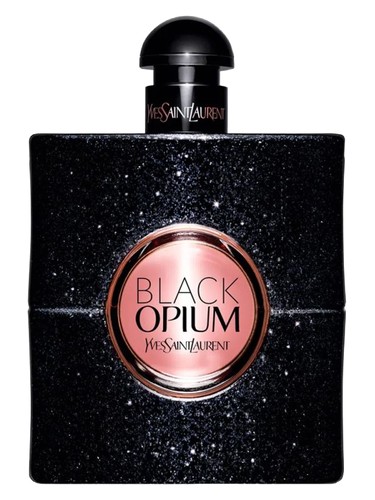
The comparison set reveals where Voyage sur la route des Épices positions itself in the fragrance landscape. By the Fireplace by Maison Martin Margiela and Angels' Share by By Kilian share that cozy, enveloping warmth. Grand Soir by Maison Francis Kurkdjian and Shalimar Eau de Parfum by Guerlain connect through their sophisticated approach to vanilla and amber. Black Orchid by Tom Ford shares the luxurious, slightly mysterious character.
What distinguishes La Sultane de Saba's offering is its particular balance—less overtly smoky than By the Fireplace, less boozy than Angels' Share, less aggressively sensual than Black Orchid. It carves out space as perhaps the most wearable option in this group, with enough complexity to interest serious collectors but sufficient warmth and accessibility to win over casual wearers.
The Bottom Line
Voyage sur la route des Épices delivers exactly what its evocative name promises: a journey through spice-trading history rendered in vanilla, woods, and resins. The 4.19 rating from 438 voters suggests strong community approval, and that consensus feels earned. This isn't revolutionary perfumery, but it's exceptionally well-executed comfort-scent territory with enough patchouli and sandalwood backbone to keep it interesting.
The concentration remains unlisted, which may affect longevity expectations, but the base note composition suggests decent staying power. For those building a cold-weather rotation or seeking an approachable entry point into amber-vanilla fragrances with complexity, this deserves consideration alongside better-known names. The brand may lack the cachet of Kurkdjian or Kilian, but the juice inside holds its own—and likely at a more accessible price point.
AI-generated editorial review