First Impressions
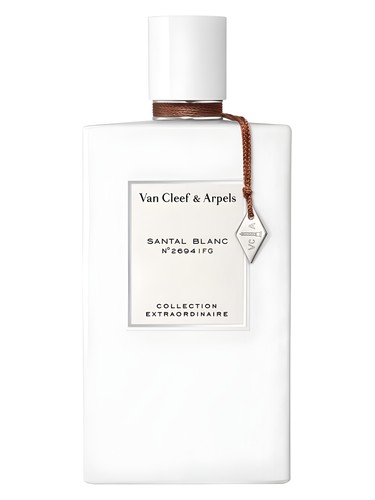
The first spray of Santal Blanc feels like a revelation wrapped in cashmere. This is sandalwood for daylight hours, for open windows and natural linen—a radical departure from the moody, incense-heavy woody fragrances that dominate the market. Van Cleef & Arpels opens with fig nectar and mandarin orange, and the effect is immediately striking: the fig isn''t green or milky but honeyed and softly golden, while the mandarin adds just enough citrus brightness to lift the composition without turning it sharp. Within moments, you understand this fragrance''s central contradiction—it''s definitively woody yet remarkably light, substantial yet somehow weightless.
The Scent Profile
The opening act centers on that fig nectar, which behaves less like a fruit and more like a translucent veil of sweetness. It''s accompanied by mandarin orange that whispers rather than shouts, providing a gentle citrus halo that prevents the fig from becoming cloying. This introduction lasts perhaps twenty minutes before the heart begins its gradual emergence.
The transition to the heart notes reveals Santal Blanc''s true character. Here, sandalwood takes center stage, but this isn''t the familiar creamy-spicy sandalwood of traditional perfumery. It''s been lightened, aerated, and surrounded by violet in a way that creates an almost powdery texture. The violet doesn''t read as overtly floral; instead, it contributes a soft, talc-like quality that emphasizes the fragrance''s refined, clean-skin intimacy. The sandalwood itself maintains presence without heaviness—creamy but not rich, woody but not dense.
As the fragrance settles into its base, musk, tonka bean, and benzoin create a foundation that''s both warm and subtle. The musk adds skin-like closeness, the tonka bean contributes vanilla-adjacent sweetness without tipping into gourmand territory, and benzoin provides just enough resinous depth to anchor everything. The base never demands attention; it simply creates a lasting, comforting presence that stays close to the skin for hours.
Character & Occasion
The data tells a clear story: Santal Blanc is overwhelmingly a daytime fragrance, scoring perfect marks for day wear while registering only moderately for evening occasions. This makes complete sense once you experience its gentle, office-appropriate character. There''s nothing here that announces your entrance or trails behind you dramatically. Instead, this is a fragrance for close quarters, for meetings and lunches, for creating an aura of polished warmth without overwhelming.
Seasonally, Santal Blanc proves remarkably versatile. Spring emerges as its ideal setting, scoring 96%—those opening fig and mandarin notes feel perfectly aligned with the season''s gentle optimism. But fall follows closely at 83%, and even summer reaches 78%, suggesting this is a three-season staple. Only winter, at 51%, shows hesitation, and it''s understandable: Santal Blanc lacks the heft and spice typically craved in cold weather.
This is positioned as a feminine fragrance, but the woody-powdery profile skews sophisticated and mature rather than youthful or overtly floral. The ideal wearer appreciates understated elegance, values versatility, and prefers fragrances that enhance rather than define. If you''re someone who wants to smell polished during a video call or subtly luxurious running weekend errands, Santal Blanc speaks your language.
Community Verdict
With a solid 4.07 out of 5 rating across 2,004 votes, Santal Blanc has clearly resonated with a substantial audience. This isn''t niche obscurity or polarizing experimentation—it''s a broadly appealing fragrance that delivers on its promise. The rating suggests a fragrance that rarely disappoints, even if it might not inspire obsessive devotion. It''s the kind of score that indicates reliability, quality, and broad wearability rather than controversial artistry.
The accord breakdown further illuminates its appeal: woody registers at full strength (100%), but the powdery character (78%) nearly matches it, creating that distinctive soft-focus effect. The fruity accord at 55% reflects the fig''s prominence, while sweet (48%) and warm spicy (42%) notes add complexity without dominating. This is a carefully balanced composition where no single element overwhelms.
How It Compares
The similarity data places Santal Blanc in sophisticated company. Gris Charnel by BDK Parfums shares that powdery-woody sensibility, while Le Labo''s Santal 33 represents the more unisex, sharper end of modern sandalwood fragrances. Maison Martin Margiela''s By the Fireplace and Kilian''s Angels'' Share both lean sweeter and more overtly gourmand, while Zadig & Voltaire''s This is Her occupies similar feminine-woody territory.
What distinguishes Santal Blanc is its luminosity. Where Santal 33 embraces smoke and leather, and Angels'' Share indulges in cognac richness, Van Cleef & Arpels has crafted something deliberately softer, more daylight-appropriate, more versatile. It''s sandalwood for those who find the category typically too heavy or masculine.
The Bottom Line
Santal Blanc succeeds brilliantly at what it sets out to do: create an elegant, wearable woody fragrance that fits seamlessly into daily life. At 4.07 out of 5, it''s clearly delivering satisfaction to a broad audience, and that three-season versatility (spring through fall) makes it genuinely practical. The daytime focus might limit its appeal for those seeking evening drama, and winter lovers may find it too light for the coldest months.
Who should try it? Anyone seeking a sophisticated sandalwood that won''t dominate a workspace. Those who love powdery textures but want more substance than a typical floral. People who appreciate the artistry of Van Cleef & Arpels'' other creations and want something refined but not overly formal. If you''ve been intimidated by woody fragrances or found them too masculine, Santal Blanc offers an accessible entry point without sacrificing sophistication.
This isn''t a fragrance that will change your life or redefine your collection, but it might become the one you reach for most often—and that''s its own kind of perfection.
AI-generated editorial review