First Impressions
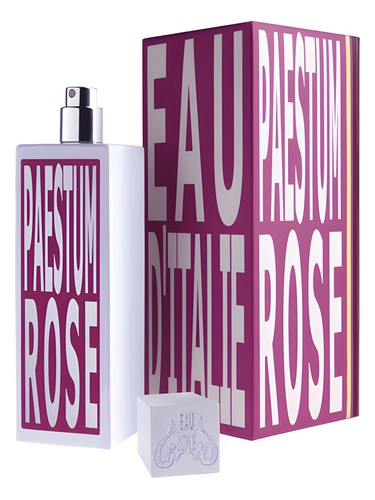
The first spray of Paestum Rose transports you somewhere decidedly unexpected. Named after the ancient Greek ruins in southern Italy, this 2006 creation from Eau d'Italie doesn't announce itself with the dewy, garden-fresh florals you might anticipate. Instead, there's an immediate warmth—a shimmer of pink and black pepper dancing with coriander's citric edge, while artemisia adds its subtle bitter-green whisper. Within moments, you realize this isn't a rose perfume that happens to have amber. This is an amber perfume that happens to bloom with roses, and that distinction makes all the difference.
The opening feels like stepping from brilliant Mediterranean sunshine into the cool shadow of ancient stone columns, where the air itself seems weighted with history and warmth.
The Scent Profile
Those initial spices—pink pepper's gentle fruitiness contrasted against black pepper's sharper bite, with coriander adding its almost soapy-clean dimension—create an entrance that's both invigorating and contemplative. The artemisia, that ancient wormwood note, lends an herbal bitterness that keeps the composition from veering into sweetness too quickly. It's an unconventional prelude, setting the stage for something far more complex than a straightforward floral.
The heart reveals the perfume's true architecture. Turkish rose emerges not as a solo performer but as part of an aromatic trinity with incense and osmanthus. The rose here is rich and slightly spiced, darkened by frankincense smoke that curls through the petals like morning mist. Osmanthus contributes its peculiar magic—simultaneously apricot-like and leathery, adding texture and depth. This isn't the bright, innocent rose of spring gardens; it's a rose captured at dusk, its color deepened to near-crimson, its scent concentrated by the day's heat.
The base is where Paestum Rose fully commits to its amber identity. Myrrh and opoponax form a resinous foundation that's both sweet and smoky, medicinal yet comforting. These ancient ingredients—the same resins burned in temples millennia ago—create a balsamic warmth that envelops everything above it. Woody notes and papyrus add a dry, almost papery quality that prevents the composition from becoming too heavy or cloying. The result is a perfume that feels simultaneously plush and restrained, opulent yet somehow austere.
The dominant amber accord registers at full intensity in community perception, with rose following at 74%—a telling ratio that confirms this fragrance's true nature. The balsamic qualities (53%), warm spices (48%), woody elements (47%), and smoky character (44%) all work in concert to create something that transcends simple categorization.
Character & Occasion
Paestum Rose finds its sweet spot in autumn, where it absolutely excels with 92% seasonal suitability. This makes intuitive sense—the perfume's warmth, its resinous depth, and that incense-tinged rose are perfectly calibrated for crisp fall days when the light turns golden and the air carries a hint of woodsmoke. Spring follows at 59%, and winter at 57%, suggesting this is fundamentally a cool-weather companion, though dedicated wearers push it into summer months (42%) despite its obvious richness.
The day versus night profile is particularly interesting: 100% day suitability with 43% night wear indicates a perfume that's assertive enough for daytime presence without the heavy-handed intensity that relegates some ambers to evening-only status. Picture it worn with a cashmere sweater and boots, accompanying you through autumn errands, afternoon meetings, or weekend gallery visits. It has presence without aggression, warmth without overwhelming.
While marketed as feminine, the composition's emphasis on incense, pepper, and resinous notes gives it considerable unisex appeal. Anyone drawn to sophisticated, non-sweet florals or those amber-rose hybrids that occupy that fascinating middle ground between categories will find much to appreciate here.
Community Verdict
With a solid 4.14 out of 5 rating across 635 votes, Paestum Rose has clearly found its audience. This isn't a polarizing fragrance that inspires either devotion or disgust—it's a well-crafted composition that delivers on its promises. The rating suggests a perfume that rewards patience and understanding, one that reveals its beauty to those willing to look past initial expectations of what a "rose" fragrance should be.
The substantial vote count indicates this isn't some obscure niche curiosity but a recognized entry in the Eau d'Italie catalog that's been thoroughly evaluated by the community. That it maintains above a 4.0 rating with that many opinions speaks to consistent quality and broad appeal within its target audience.
How It Compares
The comparison to Serge Lutens' Ambre Sultan is particularly apt—both perfumes explore that amber-resin-spice territory with sophistication and restraint. The inclusion of Chanel's Coco and Coromandel in the similar fragrances list places Paestum Rose in distinguished company, suggesting it shares that certain French polish and complexity despite its Italian heritage. Tauer's L'Air du Desert Marocain and Lutens' Fille en Aiguilles indicate kinship with other incense-forward, resinous compositions that favor depth over accessibility.
Where Paestum Rose distinguishes itself is in that particular balance between its rose and amber elements—it's rosier than Ambre Sultan but more amber-dominant than many rose-focused fragrances, occupying a sweet spot that makes it versatile and surprisingly wearable.
The Bottom Line
Paestum Rose deserves its place in conversations about intelligent, well-constructed niche perfumery. At 4.14 stars, it's not claiming perfection—and indeed, those seeking bright, photorealistic roses or straightforward amber soliflores might find it sits too firmly between categories. But for someone seeking a sophisticated autumn signature, a rose fragrance with genuine depth, or an amber composition with floral grace, this offers compelling value.
It's a fragrance for the contemplative wearer, someone who appreciates perfume as an art form rather than merely an accessory. Try it if you're drawn to the amber-rose genre but tired of obvious interpretations, or if those comparison fragrances already live in your collection. Paestum Rose may not be love at first spray, but give it time—like those ancient temples that inspired its name, its beauty reveals itself slowly, rewarding patience with unexpected depth.
AI-generated editorial review