First Impressions
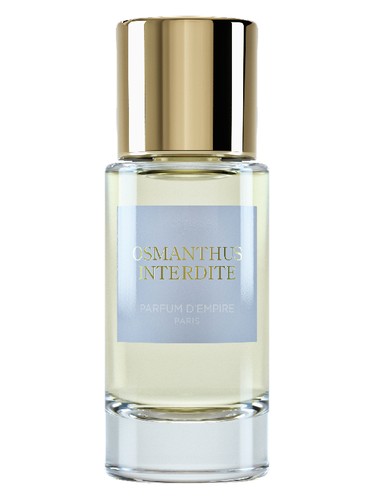
The first spray of Osmanthus Interdite reveals why osmanthus remains one of perfumery''s most captivating flowers: it refuses to behave. That initial moment delivers a rush of apricot-skin sweetness tempered by the astringent clarity of green tea, creating an immediate tension between indulgence and restraint. This is osmanthus caught between its fruity and leathery facets, neither purely innocent nor overtly seductive. The opening feels like biting into a just-ripe apricot while sitting in a tea pavilion, sunlight filtering through jade-green leaves—a moment suspended between seasons, between moods.
What strikes you immediately is the quality of that fruitiness. At 100% on the accord scale, it dominates the composition, yet there''s nothing candied or synthetic about it. Instead, Parfum d''Empire has captured the lived-in quality of osmanthus: that peculiar way the flower smells simultaneously of stone fruit, black tea, and aged leather. It''s a fruity fragrance for people who claim they don''t like fruity fragrances.
The Scent Profile
The opening trio of green tea, osmanthus, and apricot forms a remarkably cohesive introduction. The green tea provides structure—a slightly bitter, vegetal quality that prevents the apricot from becoming cloying. But it''s the osmanthus itself that orchestrates this opening act, its natural complexity allowing it to bridge the gap between the tea''s austerity and the apricot''s plushness. These first minutes are bright and attention-grabbing, yet there''s already a hint of something softer waiting beneath.
As the heart develops, jasmine and rose join the composition, bringing that 68% floral accord into focus. But these aren''t the white florals of a conventional perfume. The jasmine feels diffused, almost translucent, while the rose adds a subtle rosiness rather than dominating the blend. Fruity notes continue to pulse through the heart, creating a through-line from top to base. This middle phase is where Osmanthus Interdite reveals its sophistication—the florals don''t announce themselves with fanfare but instead weave into the existing apricot-osmanthus theme, enriching rather than redirecting.
The base is where things get genuinely interesting. Suede and musk create a skin-like foundation that transforms everything above it. That suede note—soft, slightly napped, warm—gives context to the osmanthus flower''s natural leather facets. The musk (registering at 36% on the accord scale) adds intimacy without heaviness. This isn''t a fragrance that projects across rooms; it''s designed to be discovered at close range. The powdery quality (31%) that emerges in the base adds a vintage-inspired touch, like face powder in a silk-lined compact, without ever feeling dated.
Character & Occasion
The community data tells a clear story: this is a warm-weather daytime fragrance, and that assessment is spot-on. With 94% spring and 91% summer suitability, Osmanthus Interdite thrives in temperate conditions when its delicate balance can truly shine. The green and fresh accords (37% and 31% respectively) make perfect sense for sun-dappled mornings and leisurely afternoon tea. At 100% day wear versus just 11% night, this is decidedly not your evening weapon of choice.
But there''s nuance here worth exploring. That 36% fall rating suggests it can transition into early autumn, particularly on those days when the temperature hasn''t quite committed to the change of season. Winter''s 12% rating is essentially a polite "no"—the fragrance lacks the density and warmth to stand up to cold weather.
Who should wear this? The parfum concentration suggests Parfum d''Empire intended this for the true osmanthus lover, someone who understands the flower''s complexity and wants it presented with minimal interference. It skews feminine in marketing but would wear beautifully on anyone drawn to soft, fruity-suede compositions. This is for the person who finds typical fruity florals too obvious and conventional leathers too aggressive.
Community Verdict
A 3.91 out of 5 rating from 485 votes positions Osmanthus Interdite as a well-regarded if not universally adored fragrance. That rating suggests a perfume with clear vision and accomplished execution, though perhaps one that appeals to a specific aesthetic rather than commanding broad consensus. Nearly 500 votes indicate this isn''t a hidden obscurity—it''s found its audience and generated enough interest to garner substantial feedback.
That sub-4 rating likely reflects the fragrance''s specificity. This isn''t trying to please everyone, and the people it doesn''t resonate with can clearly articulate why. But for those in its target demographic—spring fragrance seekers, osmanthus devotees, lovers of subtle sophistication—these numbers suggest a fragrance worth exploring.
How It Compares
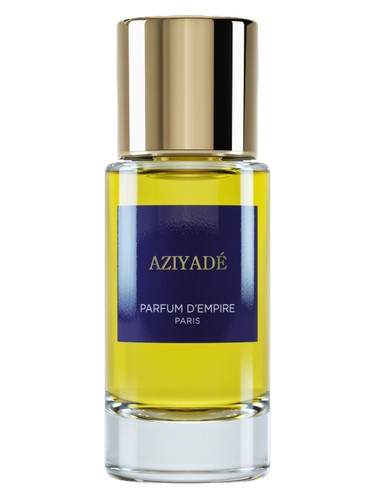
The comparison to Un Jardin Sur Le Nil makes immediate sense—both explore green, fresh territories with fruity undertones and an emphasis on wearability. Philosykos''s fig-focused Mediterranean character shares that balance of fruit and green notes. Feminité du Bois offers another perspective on fruit meeting wood, though with more heft. Aziyade, from the same house, provides an interesting point of reference within Parfum d''Empire''s own aesthetic. And Coco Eau de Parfum''s placement in this company suggests a shared vintage-modern sensibility and powder-soft finish.
Within the osmanthus category specifically, Osmanthus Interdite distinguishes itself by emphasizing the flower''s apricot facets over its leather qualities, though that suede base ensures the darker elements aren''t forgotten. It''s softer than many osmanthus soliflores, more diffused and day-appropriate.
The Bottom Line
Osmanthus Interdite succeeds at what it sets out to do: capture osmanthus in its most approachable, daylight-friendly form without sacrificing complexity. The parfum concentration delivers impressive longevity for such a seemingly delicate composition, and the quality of ingredients justifies the niche price point.
Should you try it? If you''re searching for a sophisticated spring signature, if you appreciate fragrances that reveal themselves slowly, or if you''ve been disappointed by osmanthus perfumes that go too far in either the sweet or the severe direction, absolutely. This is osmanthus for people who want to wear it in daylight, who want compliments that come from proximity rather than projection. It''s not revolutionary, but it''s remarkably well-executed—and sometimes that''s exactly what you need.
AI-generated editorial review