First Impressions
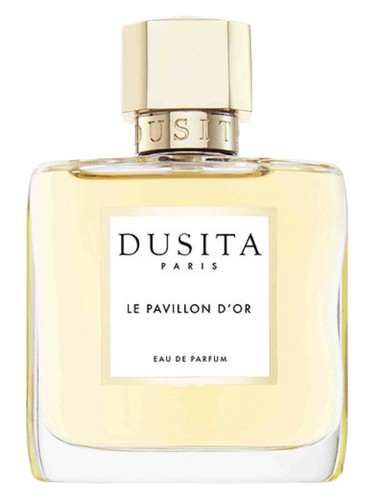
The first spray of Le Pavillon D''Or delivers an unexpected jolt—cool mint cutting through the aristocratic presence of orris root, while honeysuckle hovers somewhere in between, sweet but restrained. This isn''t the iris you might anticipate from the name''s gilded promise. Instead of a straight path to powdered opulence, perfumer Pissara Umavijani opens a garden gate and invites you to walk through morning-damp greenery. The opening feels alive, almost mischievous in how it subverts expectations. That mint isn''t toothpaste; it''s crushed herb between your fingers. That orris isn''t makeup drawer; it''s root pulled from earth. Within seconds, you understand this will be a fragrance of contradictions—refined yet verdant, structured yet breathing.
The Scent Profile
The transition from top to heart reveals Le Pavillon D''Or''s true architecture. As the mint''s brightness softens, fig leaf emerges as the composition''s backbone—that distinctive green latex quality, slightly milky, unmistakably natural. Thyme adds another herbaceous dimension, doubling down on the aromatic quality rather than pivoting toward conventional florals. When olibanum (frankincense) appears, it doesn''t announce itself with cathedral solemnity but rather weaves through the greenery like incense smoke drifting through an open window into a garden.
Boronia, that temperamental Australian flower with its fruity-tea character, brings subtle complexity without demanding attention. Heliotrope contributes the powdery sweetness that the rating data confirms—65% powdery accord—but it''s not the vintage face powder you might expect with iris. Instead, it reads as marzipan-soft, almond-tinged, a gentle cushion beneath all that vigorous green.
The base is where Le Pavillon D''Or reveals its golden pavilion. Oak and Australian sandalwood create a woody foundation that the community has rated at a perfect 100% for the woody accord. But this isn''t dark, brooding forest floor. The sandalwood maintains a creamy brightness, almost buttery, while the oak adds just enough tannin and structure to keep everything grounded. The fragrance never loses its connection to that initial garden impression—even hours into the wear, there''s still a whisper of green threading through the wood.
Character & Occasion
The data tells a clear story: this is quintessentially a spring fragrance (100%), with fall coming in strong at 92%. Summer wearability at 65% suggests it can handle warmth, though it might feel less at home in humid heat. Winter''s 31% ranking makes sense—Le Pavillon D''Or lacks the comfort food coziness that cold weather often demands.
At 95% day wear versus just 37% night, this is decidedly a daylight composition. Picture it on a Saturday morning gallery visit, a garden party lunch, a countryside walk that ends with tea. It has presence without projection that demands attention. The aromatic-green-woody combination feels sophisticated but approachable, intellectual without being austere.
This is marketed as feminine, but the robust herbal and woody elements could easily be claimed by anyone who appreciates the androgynous space where iris lives—neither traditionally masculine nor overtly feminine, but rather elegantly human. It would suit someone who owns linen clothing, appreciates architecture, reads poetry, tends plants. That''s not to say it''s exclusionary; rather, it has a specific point of view.
Community Verdict
With 675 votes landing at 3.94 out of 5, Le Pavillon D''Or sits comfortably in "very good" territory. This isn''t a crowd-pleasing blockbuster nor a polarizing experiment. The rating suggests a fragrance that rewards those who seek it out—solid craftsmanship, clear vision, quality execution. Nearly 700 people cared enough to rate it, which for a niche house like Parfums Dusita indicates genuine interest and appreciation. It''s not chasing trends; it''s carving out its own verdant corner of the fragrance landscape.
How It Compares
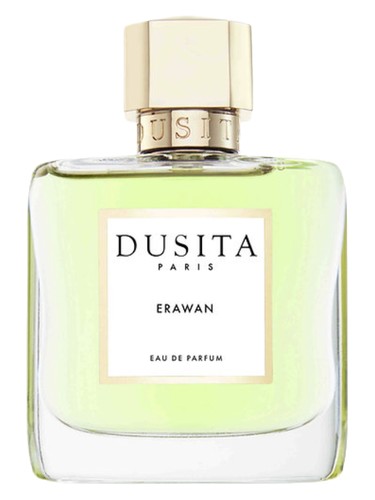
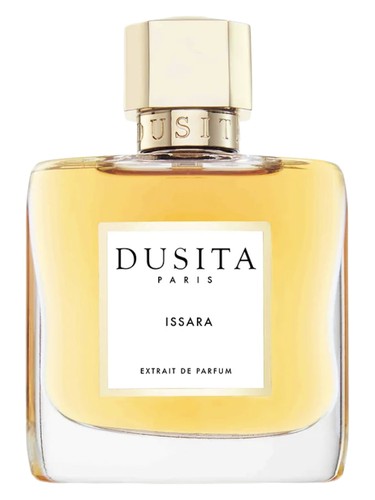
The similar fragrances list reveals interesting territory. Three of the five comparisons come from Dusita''s own line (Erawan, Issara, Splendiris), suggesting house DNA that fans recognize—likely that skilled balance of refinement and naturalism, East-meets-West sensibility, and quality materials. The inclusion of Tauer''s L''Air du Desert Marocain points to shared aromatic-spicy territory and perhaps similar complexity. Most intriguing is the comparison to Baccarat Rouge 540, which on the surface seems wildly different—until you consider that both achieve a kind of radiant, sophisticated presence that manages to feel modern while referencing classical perfumery traditions.
Where Le Pavillon D''Or distinguishes itself is in its commitment to green. While many iris fragrances lean heavily powdery or rooty-earthy, this one breathes with chlorophyll.
The Bottom Line
Le Pavillon D''Or isn''t trying to be everything to everyone, and that''s precisely its strength. At nearly 4 out of 5 stars, it delivers what it promises: a thoughtfully constructed woody-green-iris composition with genuine character. The price point for Parfums Dusita isn''t insignificant, but the quality is evident in how the fragrance develops and persists.
This deserves attention from iris lovers looking beyond the familiar powder-and-butter interpretations, from green fragrance devotees who want sophistication rather than simple fresh-cut grass, and from anyone curious about contemporary niche houses that honor traditional perfumery while creating something distinctly their own. Sample it on a spring morning and give it time to walk you through its garden. The golden pavilion awaits, but you''ll find it surrounded by living green rather than sitting in gilded isolation.
AI-generated editorial review