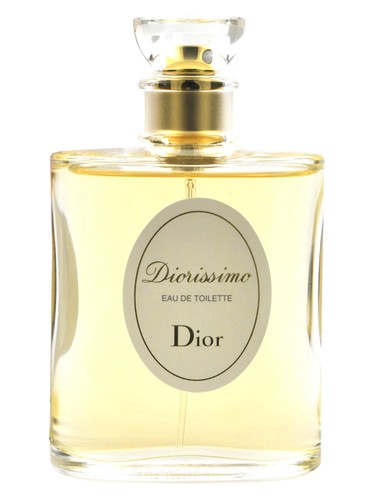
First Impressions
The first spray of Diorissimo is like stepping into a French garden on the cusp of spring, when the last frost has melted and the earth exhales its first green breath. There''s an immediate brightness—not the sharp citrus blast of many modern fragrances, but something more nuanced. Bergamot mingles with the crisp scent of crushed green leaves, creating an opening that feels simultaneously fresh and sophisticated. This is white floral perfumery at its most refined, where the dominant lily-of-the-valley emerges almost immediately, delicate yet persistent, like white bells nodding in a gentle breeze.
Christian Dior himself considered lily-of-the-valley his lucky charm, and in 1956, he asked his nose Edmond Roudnitska to capture this notoriously difficult flower in a bottle. What resulted was not just a perfume, but a benchmark—the fragrance against which all lily-of-the-valley scents would be measured.
The Scent Profile
Diorissimo''s evolution is less a dramatic transformation than a graceful unfurling. The opening accord of green leaves and bergamot provides just enough brightness to announce the fragrance''s presence without overwhelming. Within minutes, you''re transported into the heart of the composition, where Roudnitska''s genius becomes apparent.
The lily-of-the-valley takes center stage, but it''s far from a soliflore. This is where the complexity reveals itself: lilac adds a powdery sweetness, while jasmine and ylang-ylang contribute honeyed depth. Lily and amaryllis reinforce the white floral character that dominates the scent profile at 100%, while an unexpected touch of rosemary and the rare boronia absolute add subtle herbaceous facets. The effect is almost ethereal—a bouquet that feels both abundant and impossibly light.
The base is where Diorissimo shows its vintage pedigree. Civet, that animalic ingredient now largely replaced in modern formulations, provides a musky warmth that keeps the florals from floating away entirely. Sandalwood adds a creamy, woody foundation that grounds the composition. The drydown is softer, soapier, with that characteristic fresh quality that made this fragrance perfect for the understated elegance of mid-century style.
Character & Occasion
The data tells a clear story: Diorissimo is spring incarnate. With a perfect 100% seasonal rating for spring wear, this is the fragrance equivalent of the first warm day after a long winter. Summer follows at 45%, while fall and winter trail significantly behind at 20% and 16% respectively—and for good reason. This is a fragrance that needs warmth to bloom but wilts under excessive heat.
The day and night ratings are equally definitive: 93% day versus just 20% night. Diorissimo is morning light streaming through windows, garden parties, weekend brunches, and professional settings where you want to smell impeccable but not imposing. It''s not a date-night fragrance or an evening gown companion—it''s too polite, too fresh, too quintessentially daytime.
Who should wear Diorissimo? Anyone who appreciates restraint over bombast, who values quality over projection, who understands that elegance doesn''t need to announce itself from across the room. It skews more mature in sensibility, though age is less relevant than attitude.
Community Verdict
The fragrance community''s relationship with Diorissimo is complicated, reflected in a mixed sentiment score of 6.5 out of 10. The overall rating of 4.13 from 4,846 votes suggests widespread appreciation, but the Reddit discussions reveal specific pain points.
The praise is genuine: users consistently describe the scent profile as gorgeous and beautiful, with particular enthusiasm for its spring and summer performance. The availability in both EDT and EDP formulations gives options for different preferences and budgets.
But here''s where things get thorny. The EDT formulation suffers from notably poor longevity, with users reporting a mere three hours of wear time. For a prestige fragrance, this is disappointing. The community strongly recommends the EDP for anyone concerned about staying power.
More significantly, there''s a recurring theme about formulation changes. Vintage Diorissimo, according to those who''ve experienced both, was more aldehydic and distinctive. Modern batches reportedly vary between retailers, leading to inconsistent experiences. This is the challenge with classic fragrances: they carry the weight of their legacy, and any reformulation—necessary or not—will disappoint purists.
How It Compares
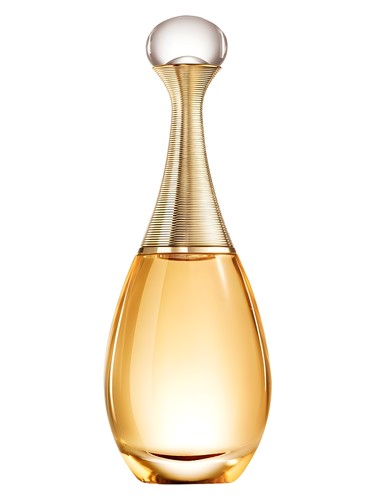
Dior''s own J''adore shares some white floral DNA but leans warmer and more full-bodied. Pure Poison offers a similar fresh floral approach but with more contemporary sweetness. Organza by Givenchy and Poème by Lancôme occupy adjacent territory in the elegant white floral category, while Alien by Mugler represents a more modern, amber-woody take on white florals.
What sets Diorissimo apart is its purity of vision. This isn''t a crowd-pleaser engineered for maximum appeal. It''s a specific artistic statement about a specific flower, executed with technical brilliance. In today''s market of gourmands and oud-heavy blockbusters, it feels almost radical in its restraint.
The Bottom Line
Diorissimo deserves its place in perfume history, but whether it deserves a place in your collection depends on what you value. If you want a fragrance that turns heads and lasts through a full workday, the EDT will frustrate you—spring for the EDP. If you''re seeking the legendary vintage formulation, you''ll need to hunt through estate sales or vintage dealers, as the modern version is a different beast.
But if you want to understand what sophisticated white floral perfumery looks like, if spring is your season and you need a signature scent for those perfect April mornings, if you appreciate the reference point against which all lily-of-the-valley fragrances are measured—then Diorissimo remains essential. Nearly seven decades after its creation, it still captures something ineffable about renewal, elegance, and the fleeting beauty of spring''s first flowers.
Just go for the EDP, and wear it when the lilies bloom.
AI-generated editorial review