First Impressions
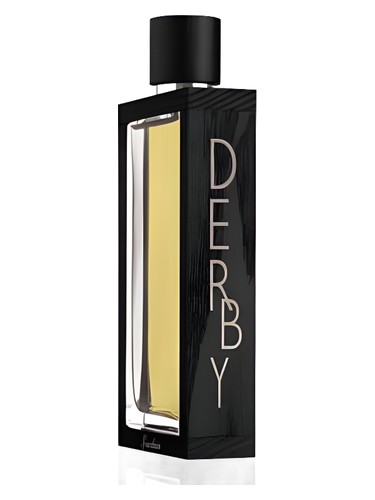
The first spray of Derby is like stepping into an English saddlery at dawn—polished leather mingling with morning citrus, a gentleman''s ritual before the hunt. This is Guerlain at its most unapologetically masculine, opening with a bright burst of bergamot and orange that refuses to play coy. But within moments, the citrus recedes like morning mist, revealing what lies beneath: a symphony of leather so commanding, so thoroughly rendered, that it dominates every subsequent moment on the skin. This isn''t leather as an accent or suggestion—it''s leather as manifesto, accounting for the full 100% of Derby''s dominant accord signature. The warmth that follows, carried on waves of spice, announces that you''re experiencing something crafted in 2012 yet rooted in an older, bolder tradition of masculine perfumery.
The Scent Profile
Derby''s architecture reveals itself in deliberate stages, though the leather foundation never wavers. The bergamot and orange opening provides mere minutes of brightness—a 32% citrus accord that serves as prologue rather than protagonist. It''s a knowing wink to classic cologne structures before Derby reveals its true nature.
The heart is where complexity blooms. Carnation emerges as an unexpected floral element (contributing to that 56% floral accord), but this isn''t your grandmother''s carnation—it''s spiced, peppery, almost aggressive in its clove-like intensity. The exotic woods weave through, adding texture and the foundation for that substantial 64% woody accord, while unspecified spices create a warmth that registers as 84% of the fragrance''s character. This is where Derby earns its "warm spicy" credentials, building heat without sweetness, maintaining its leather core while adding dimension.
The base is where Derby settles into its signature: leather reinforced by leather. Birch tar creates a smoky, almost tarry quality (49% smoky accord) that evokes both saddle soap and campfire. The wood notes continue their structural support, though the listed "Woo" appears to be an incomplete notation—likely meant to reference additional wood varieties that anchor this robust composition. Everything here serves the leather, creating a scent that wears like a second skin—specifically, a skin wrapped in perfectly worn hide.
Character & Occasion
Derby is a cold-weather warrior, pure and simple. The data tells an unambiguous story: 100% fall, 97% winter, dropping to 58% for spring and a mere 26% for summer. This is a fragrance that needs the bite of autumn air or the chill of winter wind to truly sing. In heat, that leather-spice combination would overwhelm; in cold, it provides an olfactory overcoat of refinement and warmth.
Interestingly, while Derby skews nocturnal (90% night versus 73% day), it defies the typical "going out" fragrance profile. This isn''t club-ready or date-night desperate. Instead, it''s the scent of a man comfortable in his own skin, whether that''s a business dinner in November or a winter wedding. The daytime wearability speaks to its quality and balance—despite the intensity, Derby never shouts. It commands quietly.
This is decidedly masculine territory, crafted for those who appreciate traditional men''s fragrance architecture and aren''t seeking mass appeal or safe compliments. Derby requires confidence and context.
Community Verdict
The Reddit fragrance community harbors deep respect for Derby, tempered by profound frustration—a sentiment score of 6.5/10 that reflects quality versus accessibility rather than the scent itself. Across 52 community opinions, a clear narrative emerges: this is a classic that dedicated fans actively pursue, appearing on multiple all-time favorite lists and inspiring genuine devotion among those fortunate enough to own it.
But here''s the tragedy: Derby is discontinued, and the secondary market is brutal. Full bottles command $400 to $570 and beyond on eBay and specialist sites. The fragrance that earned a solid 4.39/5 rating from 498 voters has become nearly impossible to purchase at reasonable prices. Community members consistently note Derby as a "lost gem" and "highly regarded classic," yet in the same breath acknowledge the impracticality of acquisition.
The best-case scenario for most? Decants from splitting services, allowing a taste of what''s been lost without the mortgage-level investment. This discontinuation has transformed Derby from accessible luxury to collector''s obsession, recommended primarily for special occasions and those with nostalgic attachment to vintage Guerlain scents.
How It Compares
Derby occupies distinguished company in its suggested similarities: Bel Ami by Hermès, Fahrenheit by Dior, Antaeus and Egoiste by Chanel, and its Guerlain sibling Habit Rouge Eau de Toilette. These comparisons position Derby firmly in the pantheon of bold, uncompromising masculine leathers and spice-driven compositions from heritage houses.
Where Fahrenheit ventures into gasoline-tinged abstraction and Antaeus embraces castoreum''s animalic edge, Derby maintains a more refined, wearable leather focus. It shares Bel Ami''s civilized masculinity while offering more pronounced leather than Habit Rouge''s powder-spice profile. In this context, Derby emerges as perhaps the most purely leather-focused of its peers—traditionalist but not dated, assertive but not brutish.
The Bottom Line
Derby''s 4.39/5 rating from nearly 500 voters confirms what the devoted already know: this is exceptional work from Guerlain, a house that understands masculine leather compositions in its DNA. The fragrance itself deserves every accolade, every spot on those cherished favorites lists.
But value? That''s where heartbreak enters. At $400-plus for a bottle, Derby has become aspirational rather than attainable, a fragrance to sample rather than own for most. If you encounter a decant opportunity or stumble upon vintage stock at sane pricing, don''t hesitate—this is Guerlain at its confident best. For collectors specializing in discontinued classics or those with specific nostalgia for Derby, the investment may justify itself.
For everyone else, appreciate Derby for what it represents: proof that 2012 could still produce traditionally masculine fragrances of substance, and a cautionary tale about the fragrances we lose when commercial considerations outweigh artistry. Sometimes the best scents aren''t the ones that survive—they''re the ones we remember, chase, and mourn.
AI-generated editorial review